The central bank data on Monday (July 5) revealed that Pakistan’s public debt had increased by Rs 2.89 trillion or 8.23 per cent in 11 months of the fiscal year…reports Asian Lite News
Pakistan’s public debt has increased by over eight per cent in 11 months of the fiscal year ended in June due to increased government borrowing to meet the spending requirements during the COVID-19 pandemic according to government data.
The central bank data on Monday (July 5) revealed that Pakistan’s public debt had increased by Rs 2.89 trillion or 8.23 per cent in 11 months of the fiscal year ended June 30, reported The News International.
The central government’s debt stood at Rs 37.997 trillion at the end of May 2021. The debt amounted to Rs 35.107 trillion in the period ended June 2020.
The debt increased by 10.17 per cent year-on-year in May. It was Rs 34.489 trillion in the period ended May 31, 2020.
Fiscal Responsibility and Debt Limitation (FRDL) Act 2005 defines “Total Public Debt” as debt owed by the government (including federal government and provincial governments) serviced out of consolidated fund and debts owed to the International Monetary Fund.
Rise in public debt is largely driven by the government’s domestic borrowing that has increased 11.95 per cent to Rs 26.065 trillion. Foreign debt was almost flat at Rs 11.931 trillion.
SBP’s data showed that government securities such as the market treasury bills (MTBs), Pakistan Investment Bonds (PIBs), and Ijara Sukuk (Islamic bonds) remained the preferred choice of borrowing within domestic debt. The major portion of borrowing from domestic sources was carried out through medium- to long-term debt instruments.
ALSO READ: Pakistan Again Betrays Afghans and the World
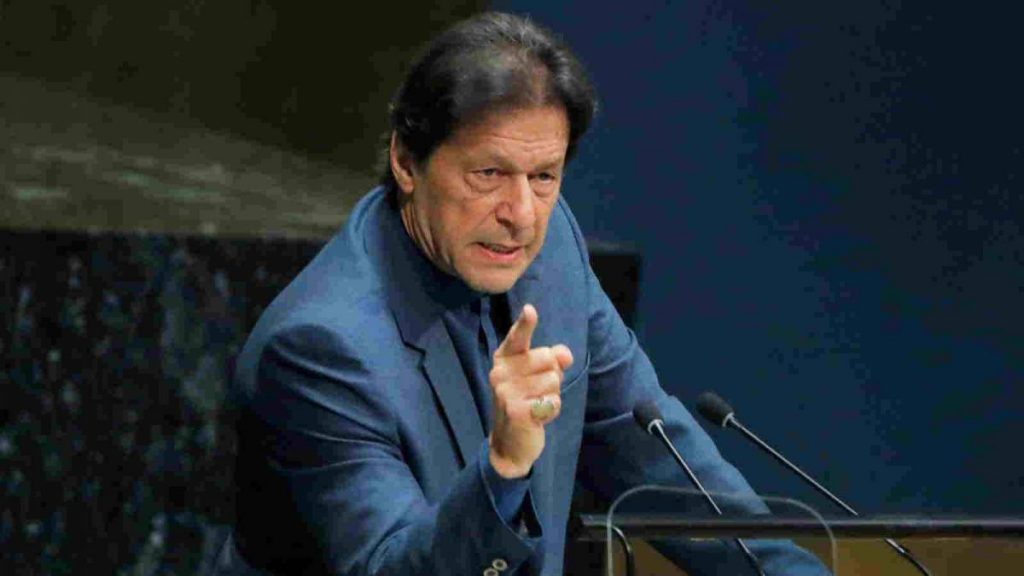
Imran Khan-led Pakistan government has allocated Rs 900 billion for the federal public sector development programme in fiscal year of 2022, 38 per cent up from last year. There is a need to contain the budget deficit, targeted at Rs 3.420 trillion or 6.3 per cent of GDP this fiscal year, compared with revised estimate of Rs 3.195 trillion or 7 per cent for fiscal year 2021.
Analysts predict the budget deficit to be in the range of 7.0-7.5 per cent in fiscal year 2022, where part of the shortfall would be covered by cut in expenditures, both current and development. The primary deficit is expected to be in the range of 1.0-1.5 per cent.
The Pakistan outlet claims in its official report that increased level of external inflows from multilateral and bilateral development partners is indicative of their confidence in development priorities and policies of the government, including implementation of reforms in the priority areas of fiscal and debt management, energy sector and ease of doing business. (ANI)
ALSO READ: Taliban can’t make govt surrender in next 100 years: Ghani