The global minimum tax seeks to block corporations from moving jobs or profits overseas in order to avoid paying taxes, reports Asian Lite News
Leaders of G20 nations have reached an “historic agreement” for a fairer and more effective international tax system that would set a 15 per cent global minimum corporate tax.
“We reached a historic agreement for a fairer and more effective international tax system,” Italian Prime Minister Mario Draghi said at the opening of the G20 summit on Saturday.
The OECD had finalised a major reform of the international tax system earlier this month under which Multinational Enterprises (MNEs) will be subject to a minimum 15 per cent tax rate from 2023. The deal was agreed by 136 countries and jurisdictions representing more than 90 per cent of global GDP.
The global minimum tax seeks to block corporations from moving jobs or profits overseas in order to avoid paying taxes.

According to Hill, the agreement would set a 15 per cent global minimum corporate tax rate that administration officials say would generate $60 billion or more in additional revenue annually in the U.S. alone.
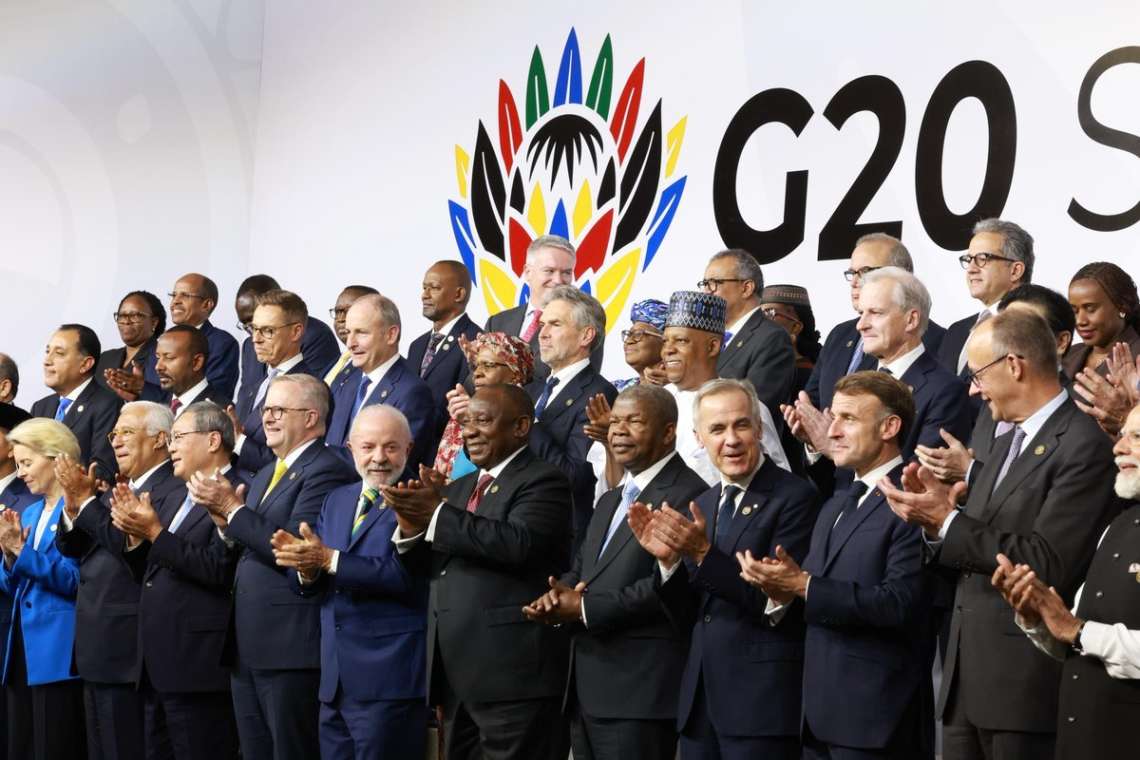
The first session of the G20 Rome Summit kicked off on Saturday as world leaders including Prime Minister Narendra Modi gathered to discuss the global economy and health.
Over the next two days, the heads of state and government of the world’s major economies, together with invited countries and representatives of international and regional organizations, will address several key topics of the global agenda. Finance Ministers traditionally attend the event as well.
Draghi said in his opening remarks that “multilateralism is the best answer” to deal with the problems posed by the COVID-19 pandemic across the world.
“The pandemic has kept us apart. Earlier we have faced protectionism, unilateralism, nationalism, but the more we go with all our challenges, the more it is clear the multilateralism is the best answer to the problem we face today,” he said.

“In many ways, it (multilateralism) is the only possible answer from the pandemic to climate change to fair and equitable taxation, going it alone is simply not an option. We must do what we all can do to overcome our differences. We must recall the spirit that led to the creation of this group,” he added.
The Italian Prime Minister said that almost two years since the start of the pandemic, “we can finally look at the future with some optimism”.
“Successful vaccination campaigns and coordinated actions from government and central banks have allowed the global economy to rebound,” he said. (ANI)