The crucial J&K visit of Union Home Minister Amit Shah boosted morale of the people and his assurance that the situation won’t be allowed to deteriorate proved to be a turning point…reports Asian Lite News.
Jammu and Kashmir is all set to become tourism capital of India as the denizens of the newly carved out Union Territory are determined to foil the nefarious designs of militants to disrupt the process of peace, prosperity and development in the region.
The Pakistan sponsored ultras last month made a desperate attempt to push back Kashmir into uncertainty and chaos by turning the gun towards members of minority communities, including the non-local labourers. The militants killed eleven civilians within a few days and made an attempt to drive out minorities and tourists from Kashmir. But the counter offensive launched by the security forces left 15 militants dead and restored the sense of security within a few days.
The unfortunate civilian killings in Kashmir led to some sort of panic in the initial days and there were apprehensions that the tourism industry may take a hit, but situation returned to normal within a few days. Hotel bookings witnessed a few cancelations but the buzz came back within no time.
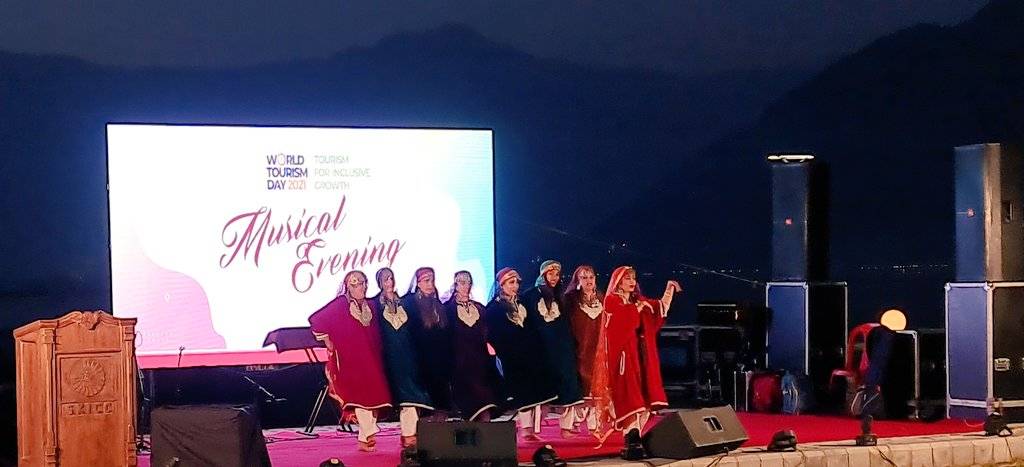
The Jammu and Kashmir administration played an important role to restore the normalcy by holding cultural and tourism events and by organizing “Iconic Week Festival” in October end.
Home Minister’s J&K visit sent a clear message
The crucial J&K visit of Union Home Minister Amit Shah boosted morale of the people and his assurance that the situation won’t be allowed to deteriorate proved to be a turning point.
After landing in Kashmir, the Union Home Minister flagged off the Srinagar-Sharjah flight. It was a clear message to adversaries that the Government of India won’t allow the handful of militants to take the Valley hostage.
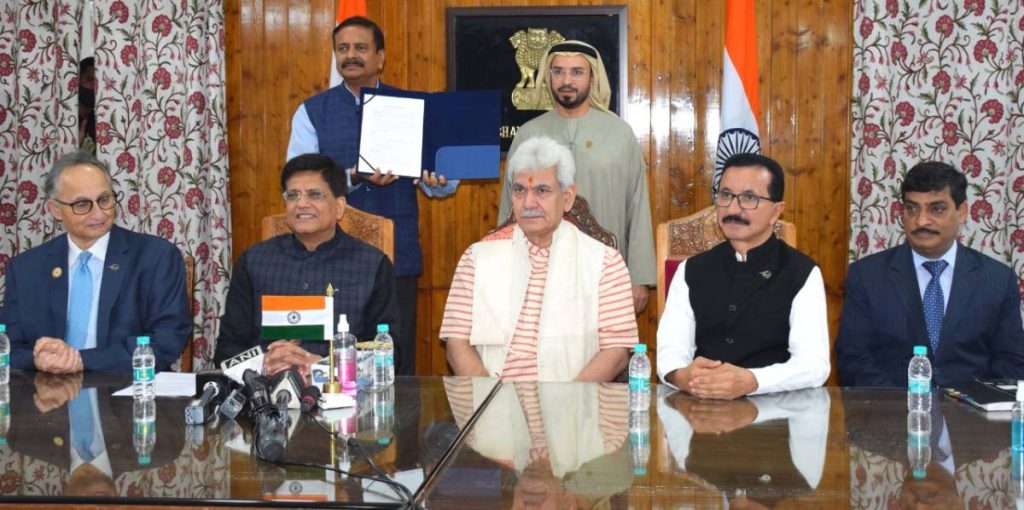
Prior to commencement of Srinagar-Sharjah flight, the J&K Government signed a Memorandum of Understanding with the Dubai government for development of real estate, industrial parks, and other infrastructure in the Union Territory.
Highlighting significance of the MoU, Union Minister for Commerce and Industry Piyush Goyal had said that the world has started to recognize the pace with which J&K is traversing on the development bandwagon. “It is a strong signal to the entire world that the way India is transforming into a global power, Jammu & Kashmir is having a significant role in that as well,” Goyal had said.
Leadership determined to pull J&K out
Efforts of the Central Government to convert the UT from ‘terror capital to tourism capital’ are clearly visible. The resolve of the country’s leadership to bring J&K out of the quagmire of uncertainty is evident. The new era of development that commenced on August 5, 2019 — when the Centre announced its decision to abrogate J&K’s special status and divided it into two Union Territories –has led to the breaking out of a new dawn in the erstwhile State that has been a victim of Pakistan sponsored militancy for the past three decades.
Recently, the Jammu and Kashmir Tourism Department announced a 40 per cent discount on the room rents in hotels and houseboats to attract more tourists to Kashmir. Vice-President of Houseboat Association Kashmir, Manzoor Ahmed Pakhtoon while talking to a news portal stated that the government did the promotions in different parts of the country and held many shows including a houseboat show to promote Kashmir as a safe tourist destination.
Pakthoon said that these initiatives have helped and they are getting a lot of queries. “We are expecting a lot of tourists. We have special discounts, around 40 per cent of the discount for tourists staying in houseboats. The people around the world had a financial crunch and that’s why we are giving such offers. It will help the Kashmir tourism industry,” Pakhtoon was quoted as having said.
Kashmir gears up for winter tourism
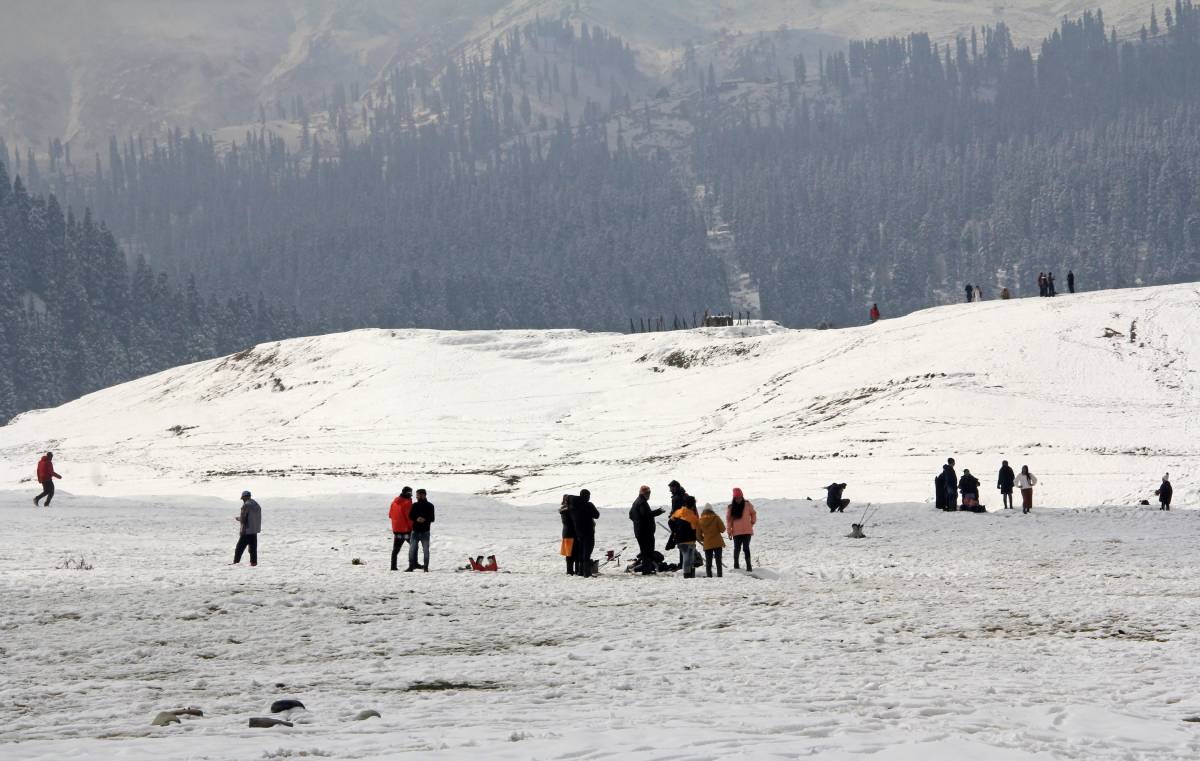
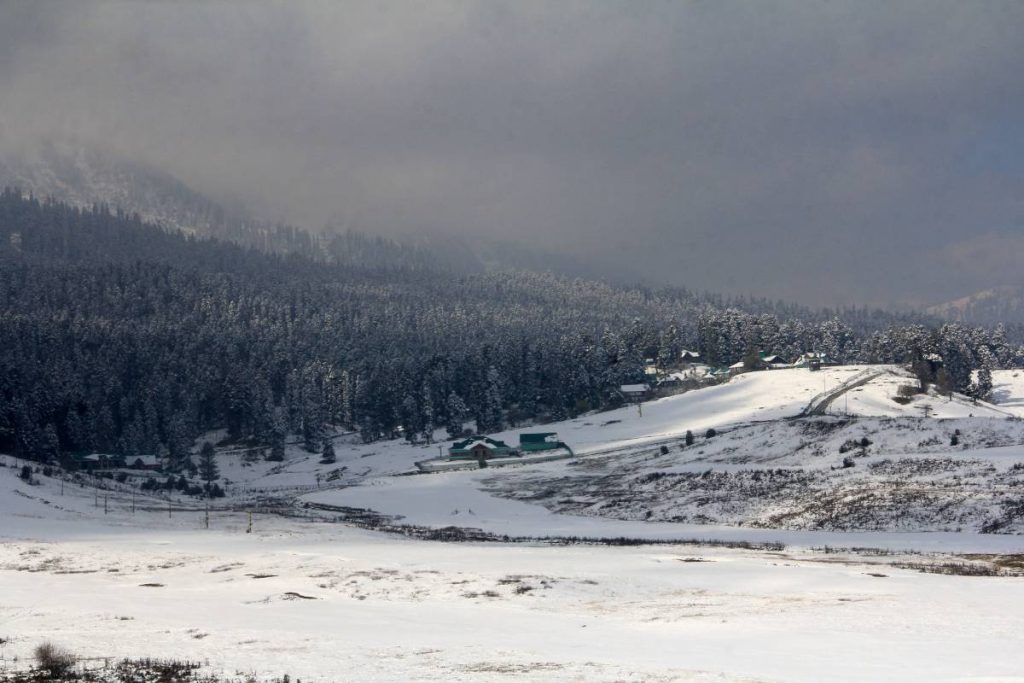
At present Kashmir is gearing up for winter tourism, famous resorts, Gulmarg in North Kashmir and Pahalgam in South Kashmir are packed with tourists and more are likely to arrive in the coming months to enjoy the winter in the Valley. People associated with the tourism industry in Kashmir are busy making future plans as they have sniffed that the Valley is set to witness bumper tourism season in the winter. Many hotels in Kashmir are full and the advance bookings are an indication that many tourists have planned to celebrate Christmas and New Year in Kashmir.
In 2020, the early snowfall in Kashmir had led to a high influx of tourists into the Valley. Thousands of visitors from different parts of the country had visited Gulmarg to celebrate natural Christmas amidst snowfall. This year also upper reaches of the Valley have received early snowfall and it has multiplied the hotel bookings.
Process to build ‘Naya J&K’ irreversible
After the recent surge in violence the Central Government has sent a clear message that it is committed to the safety, security of life and property of the people of Kashmir and non-locals in the Valley.
More than 70 per cent of Kashmir’s economy is dependent on the horticulture and tourism sectors. Militants by targeting non-locals had made an attempt to hit both these vital industries. They wanted to create fear psychosis and recreate a situation like 1990, when Kashmiri Pandits were forced to leave the Valley after selective killings, threats and intimidation. At that point of time the members of the majority community couldn’t do much due to the fear of reprisal but this time around when the ultras turned their guns towards members of the minority communities, people of Kashmir in one voice condemned these cold blooded murders and drove home a point that such dastardly acts cannot be tolerated.
From a common man to political and religious leaders everyone raised his voice against the target killings. The attempt of ultras to label every Kashmiri as a terrorist didn’t materialize. Kashmir has fought back and has given a befitting reply to terror sponsors that their agenda has no takers in the Valley. The government too has ensured to keep things on track. The derailment predicted by the adversary has not happened as the situation has remained well under control. Message is clear that J&K has changed and the process to build “Naya J&K” is irreversible.