May 17, 2022
2 mins read

The rise of Gen Z Omani micro-manufacturers

Oman is a country that makes things. From car batteries, cables, footwear, ceramic tiles, sanitary ware to luxury fragrances, the products manufactured in the sultanate are incredibly diverse…reports Asian Lite News

Representing 9.5% of GDP, employing over 200,000 people and exported to more than 130 countries, manufacturing is at the heart of Oman Vision 2040 and the topic of discussion for Wednesday evening’s Tejarah Talks at the Civil Aviation Authority in Al Hail North.

Breathing new life into the sector is the growth of Gen Z managed micro-manufacturers – small Omani businesses typically employing fewer than 10 people that are catering to a specialized market, one generally neglected or forgotten by larger companies. They are often innovative twists on old ideas, completely new innovations or throwbacks to lost ways of doing things.

According to Maymuna Al Adawi of the Ministry of Commerce, Industry & Investment Promotion (MoCIIP) and Tejarah Talks organizer, though small in size, many of these micro-manufacturers are becoming an economic force to be reckoned with. A revolution in manufacturing is coming. The power of automation and the dropping of the costs of tools is altering the landscape of how things get made in Oman. In fact, the micro-manufacturing sector is part of a much larger creative economy that represents 3% of global GDP, creating around 30 million jobs and generating over US$2 trillion in revenue

“Micro-manufacturing is nothing new,” explained Al Adawi, “but what we’re seeing is its resurgence, from women’s fashion to precision engineering, where innovation in design is creating products that meet the needs of today’s sophisticated, eco-conscious Omani consumer.”

This new breed of creative Omani micro-manufacturers includes artists, builders, programmers, engineers, bakers and graphic designers, all specializing in custom products, small quantities and fast turnaround – making everything from high-end fashion, organic cosmetics, to frankincense infused chocolate.

“These are creative people that just want to design and make cool things. They want to make stuff and they want to do that personally,” emphasized Al Adawi.

ALSO READ: India may mull Preferential Trade Agreement with Oman

Today, small batch Omani manufacturers do not need large factories. Instead, they require compact, micro-manufacturing facilities tailored to small, flexible production runs like those offered by Muscat’s Innovation Factory and the Makers Oman Centre.

“A few years ago, two guys with laptops described an Internet start-up. Now it describes a micro-manufacturing firm,” says Al Adawi.

Organized by MoCIIP in partnership with the Ministry of Culture, Sports & Youth, Oman Business Forum, HSBC and SOHAR Port & Freezone the 7:30pm Wednesday 18 May Tejarah Talks panel includes His Highness Sayyid Dr. Adham Al Said, Founder, The Firm; Cinzia Farisè, CEO, Oman Cables; Nadia Al Zakwani, Managing Director, Endemage;  Eng. Hilal Al Shibli, General Manager, Makers Oman Centre; and Firas Al Balushi, CEO, Innovation Factory.
Previous Story

LORD RANGER SLAMS PAKISTAN IN HOUSE OF LORDS

Next Story

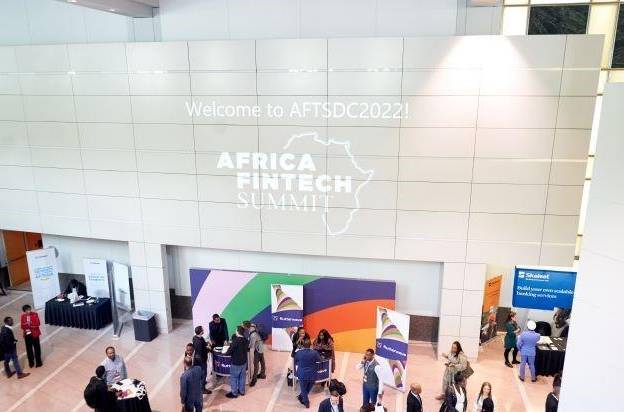
Africa Fintech Summit Washington D.C. 2022

Previous Story

LORD RANGER SLAMS PAKISTAN IN HOUSE OF LORDS

Next Story

Africa Fintech Summit Washington D.C. 2022

Latest from Arab News

Pakistan Risks Overstretching Itself in Yemen War

Pakistan’s expanding military role in Saudi Arabia amid the Yemen conflict could strain its defence resources and fragile finances…reports Asian Lite News Desk Pakistan’s military involvement in the war in Yemen may prove unsustainable because of mounting financial pressures and competing security demands, according to a new report. Islamabad’s growing military presence in Saudi Arabia risks stretching its defence resources while exposing the country to greater strategic and economic challenges. An article by Andrew Wilson in One World Outlook describes Pakistan’s involvement as a case of “fiscal and strategic overreach”, arguing that the country lacks the financial flexibility to sustain an expanded military commitment. Pakistan’s external finances depend heavily on an International Monetary Fund (IMF) programme, financial support from Gulf countries and remittances from Pakistani workers in the region. The report argues that deeper military involvement in the conflict could place additional pressure on these sources of financial stability. It also warns that deploying troops and military equipment abroad could weaken Pakistan’s capacity to address security challenges along its eastern border and deal with two domestic insurgencies. The move could also draw Islamabad into a conflict it has sought to approach cautiously. A Reuters report in May, citing Pakistani security and government sources, said Islamabad had deployed around 8,000 troops, a squadron of approximately 16 aircraft, mostly JF-17 fighter jets, two drone squadrons and a Chinese HQ-9 air-defence battery to Saudi Arabia. According to those sources, Riyadh was financing the deployment, with Pakistani personnel operating the equipment. The sources also said a confidential agreement contemplated the possibility of deploying up to 80,000 troops. Islamabad has not confirmed those figures, although it has acknowledged its military presence in Saudi Arabia, including the deployment of fighter jets at King Abdulaziz Air Base from April. The One World Outlook article argues that Saudi financial support can cover allowances and operating expenses but cannot easily replace military equipment needed elsewhere or resolve the political and strategic challenges of participating in the Yemen conflict. Pakistan’s defence budget is another concern. For the 2026-27 financial year, the federal government allocated PKR 3 trillion, or approximately $10.8 billion, to defence services. The allocation represents an 18 per cent increase from the original PKR 2.55 trillion provision and amounts to around 2.1 per cent of projected gross domestic product (GDP). Defence spending accounts for approximately 16 per cent of the federal government’s PKR 18.8 trillion expenditure. Military pensions are budgeted separately at PKR 822 billion, while debt servicing costs stand at approximately PKR 8 trillion, more than two-and-a-half times the defence allocation. The report argues that these competing financial obligations leave little room for additional military expenditure without placing further pressure on public finances. Pakistan’s reliance on IMF assistance also limits its fiscal flexibility. The country must meet the conditions attached to the programme, including a primary budget surplus target of 2 per cent of GDP and continued restraint on development spending. According to the article, these requirements make it difficult for Islamabad to finance an additional military commitment without compromising other budgetary priorities. Pakistan’s economic indicators offer limited reassurance. Economic growth for the 2025-26 financial year is estimated at between 3.6 and 3.7 per cent, while inflation reached approximately 10.3 per cent in September following an energy price shock. Foreign exchange reserves stood at around $21.5 billion at the end of September. Although this marks an improvement from the low levels recorded in 2023, the report notes that the reserves cover only a few months of imports. Financial assistance from Gulf partners remains central to Pakistan’s external stability. The article says Islamabad holds approximately $8 billion in Saudi deposits at its central bank. In July, the State Bank of Pakistan said Riyadh had extended the maturity of $5 billion in deposits to December 2028, easing the country’s immediate external financing requirements. A further $3 billion deposit was also extended in the spring. However, the article argues that these arrangements provide temporary relief rather than long-term financial independence, particularly as regional conflict threatens the stability of the Gulf economies on which Pakistan relies. The report concludes that Pakistan faces a difficult balance between supporting Saudi Arabia militarily and preserving the financial and military resources needed to address its domestic and regional challenges.

Houthis Claim Missile Strike on Riyadh Airport

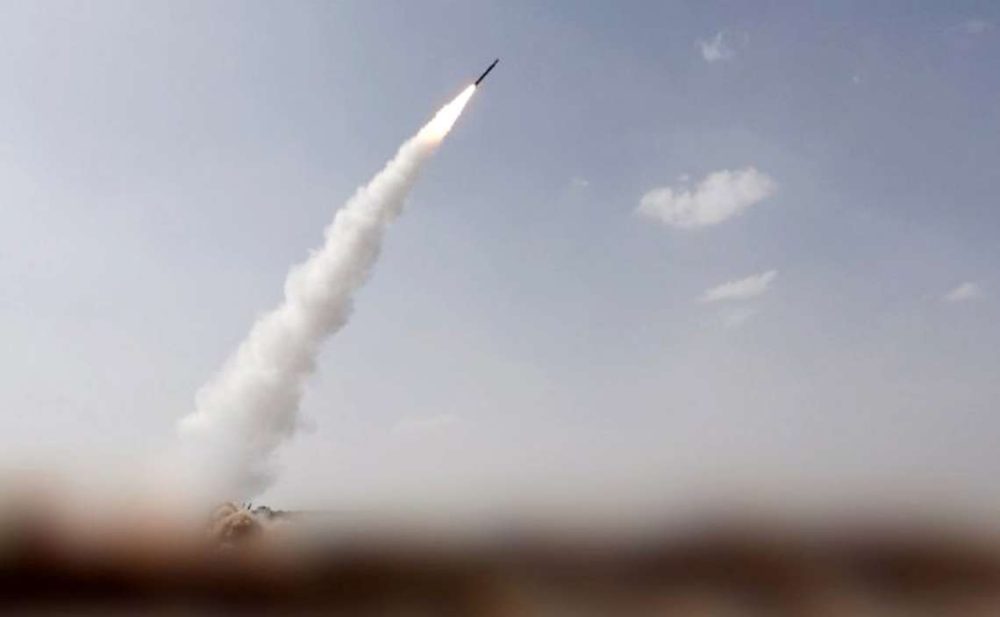
Yemen’s Houthi group claims a ballistic missile struck Riyadh’s King Khalid International Airport, with Saudi authorities yet to confirm the latest attack…reports Asian Lite News Desk Yemen’s Houthi group has claimed responsibility

Saudi Arabia to receive forces under Mecca Defence Alliance

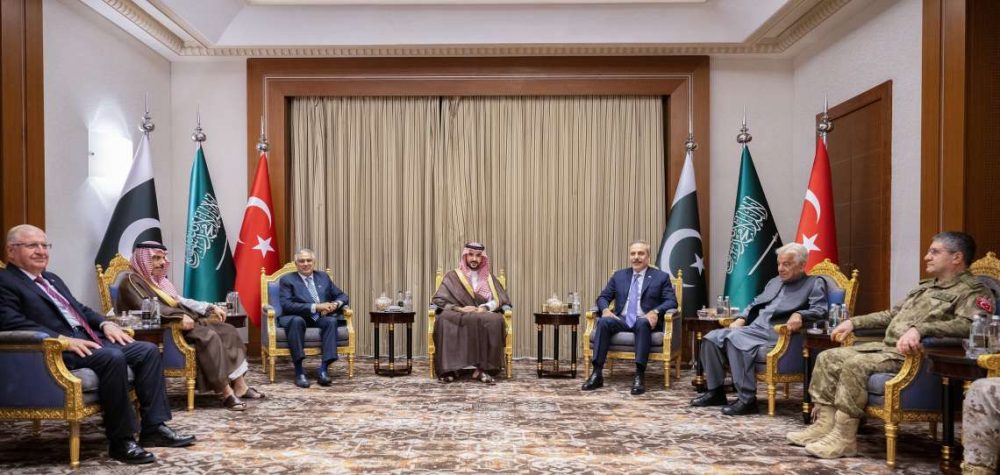
Saudi Arabia, Pakistan and Turkiye have activated collective-defence commitments, agreeing to deploy military capabilities as regional tensions and threats against the Kingdom persist…reports Asian Lite News Desk Saudi Arabia, Pakistan and Turkiye

India-UAE Trade Ties in Focus

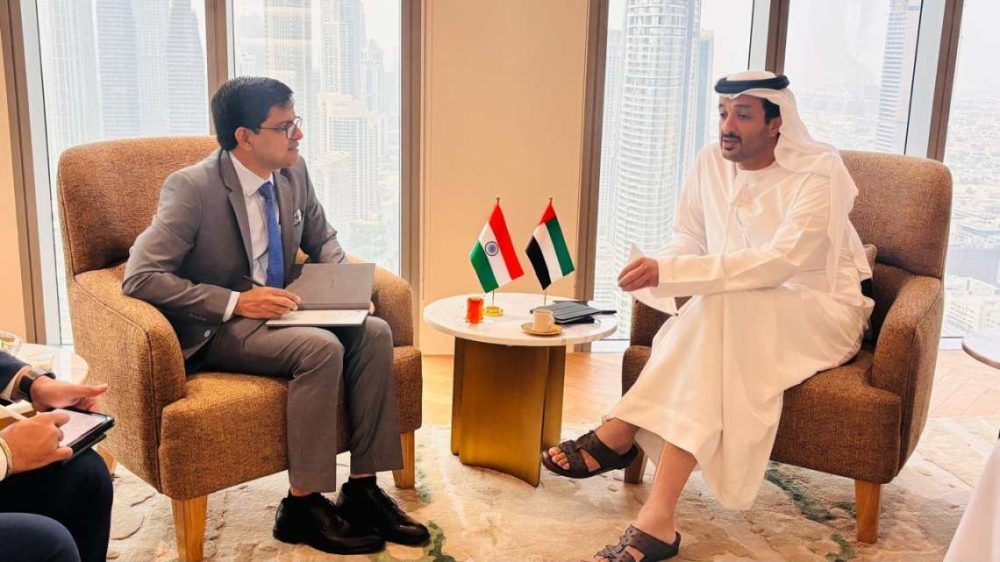
India and the UAE have discussed expanding bilateral trade, investment and business partnerships amid broader economic cooperation…reports Asian Lite News Desk India and the United Arab Emirates (UAE) discussed ways to further
Go toTop

Don't Miss

Sharjah’s economy grows 4.8%

Sharjah’s gross domestic product (GDP) expanded by an annual 4.8

Israeli PM, French President agree to meet ‘soon’

Israeli Prime Minister Naftali Bennett and French President Emmanuel Macron