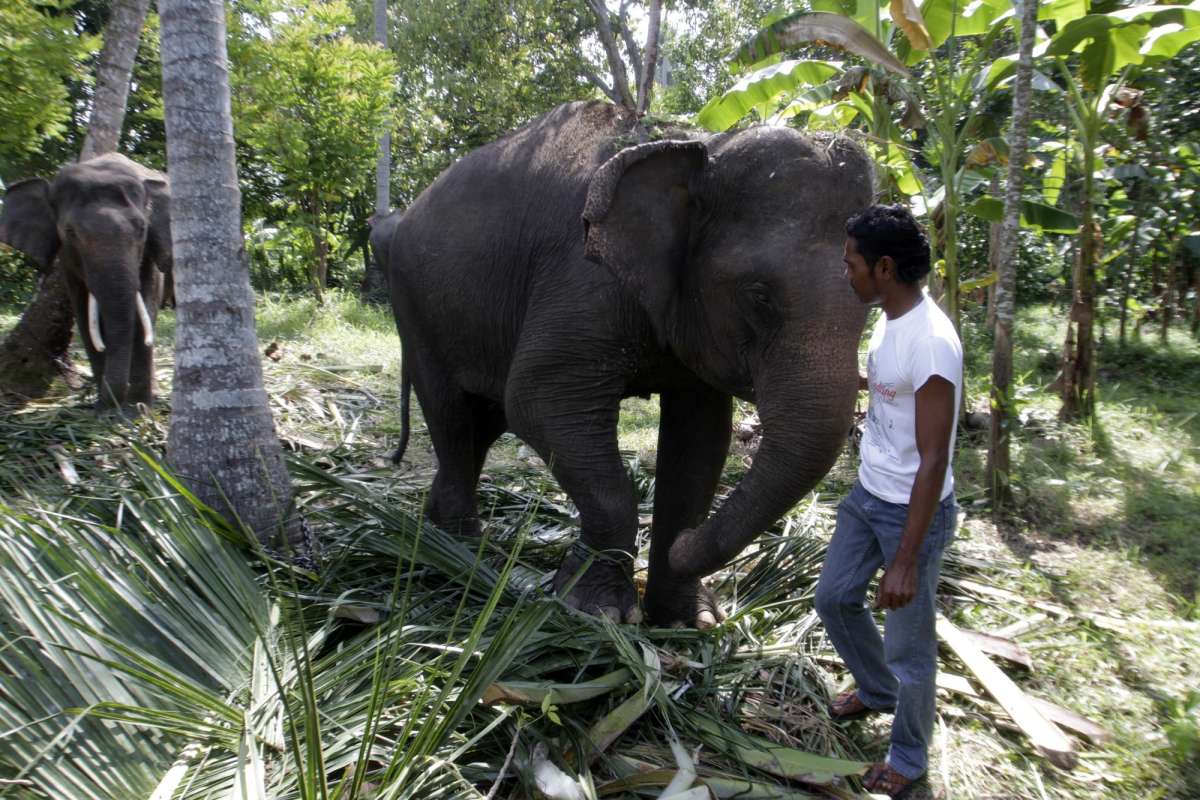
The 2022 edition of Living Planet Report revealed that Africa’s wildlife population fell by 66 per cent between 1970 and 2018, thanks to poaching, climatic shocks and degradation of their natural habitats…reports Asian Lite News
The alarming loss of species in Africa, fueled by climate change, unplanned development and pollution, requires bold policy and legislative measures to reverse, senior World Wildlife Fund (WWF) officials said.
Speaking during the virtual launch of WWF’s flagship Living Planet Report 2022 in Nairobi, the Kenyan capital on Thursday, Alice Ruhweza, Africa Regional Director, WWF-International said that African countries required greater financing and policy shift to hasten nature-positive growth.
Ruhweza added that mining activities, poaching, industrial farming and urbanisation had worsened loss of Africa’s flagship species, to the detriment of green growth, denoting that enhanced conservation of biodiversity hotspots will boost the continent’s fight against poverty, hunger and climate-induced water stress.
She called upon African governments to lobby for adoption of a more inclusive and ambitious framework to protect planetary resources during the global biodiversity summit slated for Montreal, Canada, from December 7 to 19, Xinhua news agency reported.
Published biannually by the WWF and the Zoological Society of London, the Living Planet Report aims to shed light on status of vital ecosystems, their contribution to human welfare and emerging threats.
The 2022 edition of Living Planet Report revealed that Africa’s wildlife population fell by 66 per cent between 1970 and 2018, thanks to poaching, climatic shocks and degradation of their natural habitats.
However, the report pointed to positive trends in central Africa where the population of mountain gorillas increased from 408 in 2010 to 604 in 2015 thanks to enhanced conservation measures.
Jackson Kiplagat, the Head of Conservation Programs at WWF-Kenya said that reversing habitat loss in Africa was possible subject to innovative financing towards conservation, law enforcement and greater community engagement.
Kiplagat added that African governments should implement ambitious blueprints to boost conservation of species, secure a green and resilient future for local communities.