February 21, 2022
4 mins read

DET to elevate Dubai’s position as global gastronomy hub

Dubai is home to around 12,000 diverse restaurants and cafés – from homegrown eateries to gourmet institutions and fine dining restaurants, reports Asian Lite News

Dubai’s Department of Economy and Tourism (DET) hosted an industry briefing with restaurateurs and key stakeholders from the food and beverage sector, as part of continuous efforts to elevate Dubai’s position as a year-round global gastronomy hub in line with the visionary leadership’s goal to make it the world’s best city to live in, work and visit.

During the inaugural DET gastronomy briefing event, which was attended by Dubai’s restaurateurs, F&B stakeholders and industry partners, DET briefed attendees on the city’s year-round programme of key restaurant events, gourmet showcases and culinary platforms. In addition, DET’s gastronomy leaders shared an overview of strategic plans which will further raise Dubai’s profile on the world stage as a leading gourmet destination and a magnet for discerning foodies, epicurean travellers and culinary aficionados.

DET to elevate Dubai’s position as global gastronomy hub (WAM)

During the briefing event for stakeholders, which will now take place quarterly, DET provided an overview of its ‘Gastronomy Always on Campaign’ (GAON) that aims to support the F&B industry and also presented the city’s calendar of culinary events. It was announced at the event that the ninth edition of the much-awaited Dubai Food Festival (DFF) will take place from 2 – 15 May 2022, including the ever popular Dubai Restaurant Week returning to delight foodies across the city. Ongoing culinary platforms such as Foodie Experiences, Made in Dubai and Hidden Gems which celebrate the city’s delicious and diverse dining scene will continue throughout the year, peaking through the season during key culinary moments.

Dubai is home to around 12,000 diverse restaurants and cafés – from homegrown eateries to gourmet institutions and fine dining restaurants, right through to relaxed food halls and neighbourhood cafes, which together represent Dubai’s internationally recognised F&B scene. With diverse cuisines drawn from the cultures of more than 200 different nationalities represented in the city, combined with a presence from the world’s award winning chefs, restaurant groups and one-off culinary experiences, Dubai is the gastronomy capital of the region and a globally renowned epicurean destination.

Over the years, Dubai has grown to become one of the world’s most sought after destinations, and its food scene has matured and evolved alongside this. While welcoming more than 7.28 million international overnight visitors during 2021, the city was also recognised as the No.1 global destination and the fourth leading destination for ‘Food Lovers’ in the Tripadvisor Travellers’ Choice Awards 2022, testament to the gastronomic heritage, diversity of flavours and depth of the food scene in Dubai.
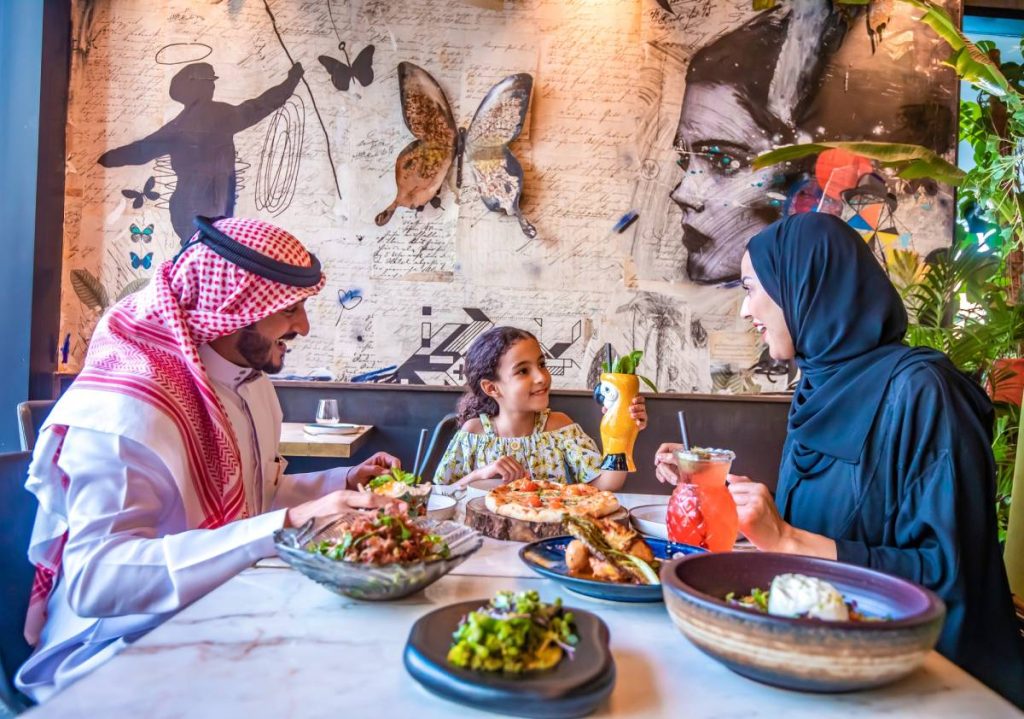
DET to elevate Dubai’s position as global gastronomy hub (WAM)

In addition, the city’s restaurants and chefs were recently recognised in the inaugural edition of Middle East & North Africa’s 50 Best Restaurants, which took place in February 2022 and celebrated culinary excellence across the region. Independently owned casual dining restaurant 3Fils located in Dubai Fishing Harbour topped the list of the region’s 50 best dining institutions, with an impressive total of six out of the top 10 restaurants in MENA being helmed in Dubai, with 16 restaurants across Dubai being included in the full list. Celebrated figures within Dubai’s diverse foodie scene were also recognised within the awards, with the city’s chefs, culinary innovators and restaurateurs garnering five of the seven specialty awards including Art of Hospitality Award, Chef’s Choice Award and the Best Pastry Chef Award.

Ahmed Al Khaja, CEO, Dubai Festivals and Retail Establishment, commented: “From humble homegrown gems to street food offerings in a vibrant setting to Michelin-star chef helmed restaurants, Dubai has long been a leader in culinary excellence. Visitors to the city can delve into a world of flavours influenced by a melting pot of more than 200 nationalities drawn from all four corners of the world. Our strategic collaboration with stakeholders and partners provide a fantastic opportunity for us to promote the diversity, creativity and multi-cultural nature of Dubai’s culinary offering, inspired by the vision of His Highness Sheikh Mohammed bin Rashid Al Maktoum, Vice President, Prime Minister and Ruler of Dubai, to further enhance Dubai’s position as a global liveability hub.
ALSO READ: India to showcase its millets’ strength at Dubai Expo

“We will work continuously with our valued stakeholders to create a year-round programme of flavoursome events and gourmet platforms, adding value to the city’s deep and diverse culinary landscape. The continuous dialogue that we have initiated with partners and the series of activities that we will jointly implement will increase awareness and perception of Dubai’s gastronomy scene and the huge investment potential that Dubai has in the food services industry, as well as instilling further confidence and trust in residents and visitors in Dubai as one of the world’s safest destinations.”

The gastronomy focus for DET for 2022 is to continue to drive growth across the hospitality and F&B sector based on the four pillars of; diversity, value for money, authenticity, and experiential. Initiatives will be introduced to further catalyse growth, increase spend and further elevate the city’s reputation as a top gastronomy destination by exploring new food industry innovations and culinary experiences.

Previous Story

US special envoy urges OIC to ‘press’ Taliban for inclusive govt

Next Story

Think tank submits open letter to PMs of India, UK over hijab row

Previous Story

US special envoy urges OIC to ‘press’ Taliban for inclusive govt

Next Story

Think tank submits open letter to PMs of India, UK over hijab row

Latest from -Top News

Pakistan Risks Overstretching Itself in Yemen War

Pakistan’s expanding military role in Saudi Arabia amid the Yemen conflict could strain its defence resources and fragile finances…reports Asian Lite News Desk Pakistan’s military involvement in the war in Yemen may prove unsustainable because of mounting financial pressures and competing security demands, according to a new report. Islamabad’s growing military presence in Saudi Arabia risks stretching its defence resources while exposing the country to greater strategic and economic challenges. An article by Andrew Wilson in One World Outlook describes Pakistan’s involvement as a case of “fiscal and strategic overreach”, arguing that the country lacks the financial flexibility to sustain an expanded military commitment. Pakistan’s external finances depend heavily on an International Monetary Fund (IMF) programme, financial support from Gulf countries and remittances from Pakistani workers in the region. The report argues that deeper military involvement in the conflict could place additional pressure on these sources of financial stability. It also warns that deploying troops and military equipment abroad could weaken Pakistan’s capacity to address security challenges along its eastern border and deal with two domestic insurgencies. The move could also draw Islamabad into a conflict it has sought to approach cautiously. A Reuters report in May, citing Pakistani security and government sources, said Islamabad had deployed around 8,000 troops, a squadron of approximately 16 aircraft, mostly JF-17 fighter jets, two drone squadrons and a Chinese HQ-9 air-defence battery to Saudi Arabia. According to those sources, Riyadh was financing the deployment, with Pakistani personnel operating the equipment. The sources also said a confidential agreement contemplated the possibility of deploying up to 80,000 troops. Islamabad has not confirmed those figures, although it has acknowledged its military presence in Saudi Arabia, including the deployment of fighter jets at King Abdulaziz Air Base from April. The One World Outlook article argues that Saudi financial support can cover allowances and operating expenses but cannot easily replace military equipment needed elsewhere or resolve the political and strategic challenges of participating in the Yemen conflict. Pakistan’s defence budget is another concern. For the 2026-27 financial year, the federal government allocated PKR 3 trillion, or approximately $10.8 billion, to defence services. The allocation represents an 18 per cent increase from the original PKR 2.55 trillion provision and amounts to around 2.1 per cent of projected gross domestic product (GDP). Defence spending accounts for approximately 16 per cent of the federal government’s PKR 18.8 trillion expenditure. Military pensions are budgeted separately at PKR 822 billion, while debt servicing costs stand at approximately PKR 8 trillion, more than two-and-a-half times the defence allocation. The report argues that these competing financial obligations leave little room for additional military expenditure without placing further pressure on public finances. Pakistan’s reliance on IMF assistance also limits its fiscal flexibility. The country must meet the conditions attached to the programme, including a primary budget surplus target of 2 per cent of GDP and continued restraint on development spending. According to the article, these requirements make it difficult for Islamabad to finance an additional military commitment without compromising other budgetary priorities. Pakistan’s economic indicators offer limited reassurance. Economic growth for the 2025-26 financial year is estimated at between 3.6 and 3.7 per cent, while inflation reached approximately 10.3 per cent in September following an energy price shock. Foreign exchange reserves stood at around $21.5 billion at the end of September. Although this marks an improvement from the low levels recorded in 2023, the report notes that the reserves cover only a few months of imports. Financial assistance from Gulf partners remains central to Pakistan’s external stability. The article says Islamabad holds approximately $8 billion in Saudi deposits at its central bank. In July, the State Bank of Pakistan said Riyadh had extended the maturity of $5 billion in deposits to December 2028, easing the country’s immediate external financing requirements. A further $3 billion deposit was also extended in the spring. However, the article argues that these arrangements provide temporary relief rather than long-term financial independence, particularly as regional conflict threatens the stability of the Gulf economies on which Pakistan relies. The report concludes that Pakistan faces a difficult balance between supporting Saudi Arabia militarily and preserving the financial and military resources needed to address its domestic and regional challenges.

UK and Germany Ratify Kensington Treaty

Britain and Germany ratify the Kensington Treaty, agreeing new cooperation on AI, quantum research, defence and security while targeting investment, jobs and Russian hybrid threats…reports Asian Lite News Desk Britain and Germany

Economic tide is turning in Bangladesh

If there is one thing that can bring some comfort to the struggling Bangladeshi economy, it is good relations with India. Bangladesh should remember that Delhi’s backing, through easy supplies of essentials
Go toTop

Don't Miss

UAE Tops MENA in Food Security Index

UAE ranked first of all MENA countries in the overall

Dubai court appoints experts to oversee Arabtec’s liquidation

The decision was taken after the court appointed a panel