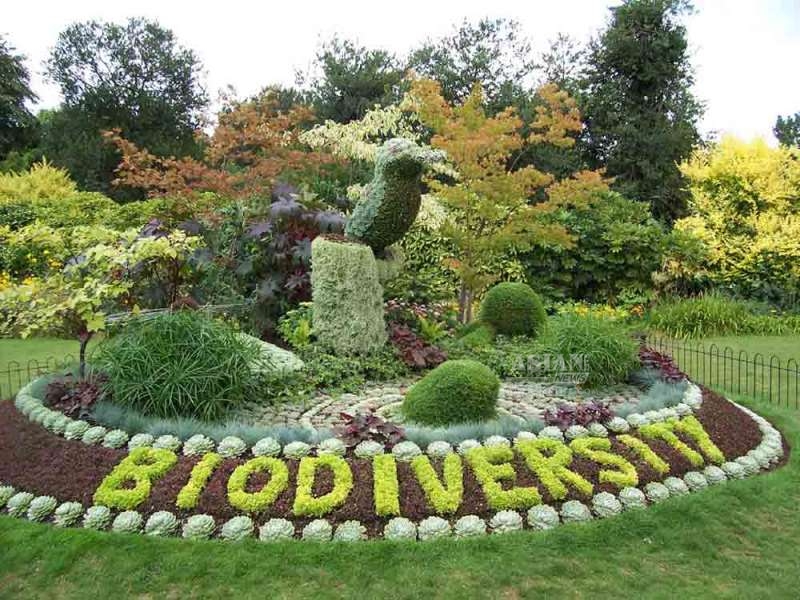
Originally scheduled for Geneva from January 12-28, in-person meetings of the UN Biodiversity Conference’s two subsidiary bodies and Open-ended Working Group tasked with developing Post-2020 Global Biodiversity Framework will continue till March 29…reports Asian Lite News
After a two-year delay, negotiators from more than 190 countries are gathering in Geneva on Monday for a fortnight-long critical discussions around a global strategy to help stem the tide of biodiversity loss.
This is the last time countries will discuss the agreement, known as the post-2020 Global Biodiversity Framework (GBF), before the Convention on Biological Diversity’s (CBD) 15th meeting of the Conference of the Parties (COP15).
The Post-2020 Global Biodiversity Framework has been called the biodiversity equivalent of the Paris Climate agreement.
“The world is clearly eager for urgent action to protect nature,” said Elizabeth Maruma Mrema, Executive Secretary of the Convention on Biological Diversity. “And we have no time to spare. Together we must ultimately deliver a truly historic agreement that puts us firmly on the path to living in harmony with nature.”
Scientists have issued repeated warnings about the dangerous decline in biodiversity. A landmark 2019 global biodiversity assessment found that “nature is declining globally at rates unprecedented in human history — and the rate of species extinctions is accelerating, with grave impacts on people around the world now likely”.
The assessment warned that up to one million species face extinction, many within decades and called for transformational change to address the crisis.
Three critical areas to address in Geneva are.
Campaign for Nature, an organisation working around the world to build support for nature conservation, sees three major areas where negotiators must make progress during the Geneva negotiations: A global target to protect and conserve at least 30 per cent of the world’s lands and inland waters and oceans.
This science-based target, known as 30×30 will address both the largest drivers of biodiversity decline, habitat loss and overexploitation and help to prevent future pandemics.
Additionally, the recently-released IPCC report underlined the urgent need to protect at least 30 per cent of the planet to achieve both biodiversity and climate goals.
The target has been endorsed by more than 89 countries and has been supported by numerous regional and international bodies including the G7, and World Conservation Congress.
Advancing the rights and leadership of indigenous peoples and local communities (IPLCs) have been among the most effective stewards of biodiversity since time immemorial.
The proposal to protect or conserve at least 30 per cent of the planet’s land and ocean by 2030 will only be possible with the leadership of indigenous peoples and local communities and with full recognition of their rights.
Negotiators must include the principle of free, prior and informed consent in targets and increase support and funding for IPLC land tenure.
Enhancing finance to meet biodiversity goals.
Closing the global biodiversity finance gap and achieving a comprehensive, ambitious and just post-2020 Global Biodiversity Framework will require increased financial resources from all sources and from all parties, particularly from those countries where per-capita consumption creates disproportionate impacts on global biodiversity, says Campaign for Nature.
Developed countries need to increase financial support for biodiversity in developing countries to at least $60 billion annually. A number of governments, philanthropists, companies and investors have demonstrated leadership in increasing their international biodiversity funding commitments, which is estimated at this stage to total over $5.2 billion per year.
Brian O’Donnell, the Director of Campaign for Nature, said: “During a time of wars, a pandemic, and a climate and biodiversity crisis, the world is in desperate need of hope and positive leadership.
“The Geneva negotiations offer a chance for countries to secure a better future for all life on earth. Global leaders should support the ambitious, necessary and achievable target to safeguard at least 30 per cent of the world’s lands and waters. They can advance the rights of indigenous peoples and local communities, and commit the funding needed to effectively address the biodiversity crisis.
“All world’s people, and the natural systems on which we all depend are counting on negotiators to be bold and constructive.”
Originally scheduled for Geneva from January 12-28, in-person meetings of the UN Biodiversity Conference’s two subsidiary bodies and Open-ended Working Group tasked with developing Post-2020 Global Biodiversity Framework will continue till March 29.