February 28, 2022
5 mins read

Russia’s N-alert a distraction, says Boris

PM suggested Putin’s actions were more to do with the fact that his forces were meeting “more resistance than the Kremlin had bargained for,” reports Asian Lite News

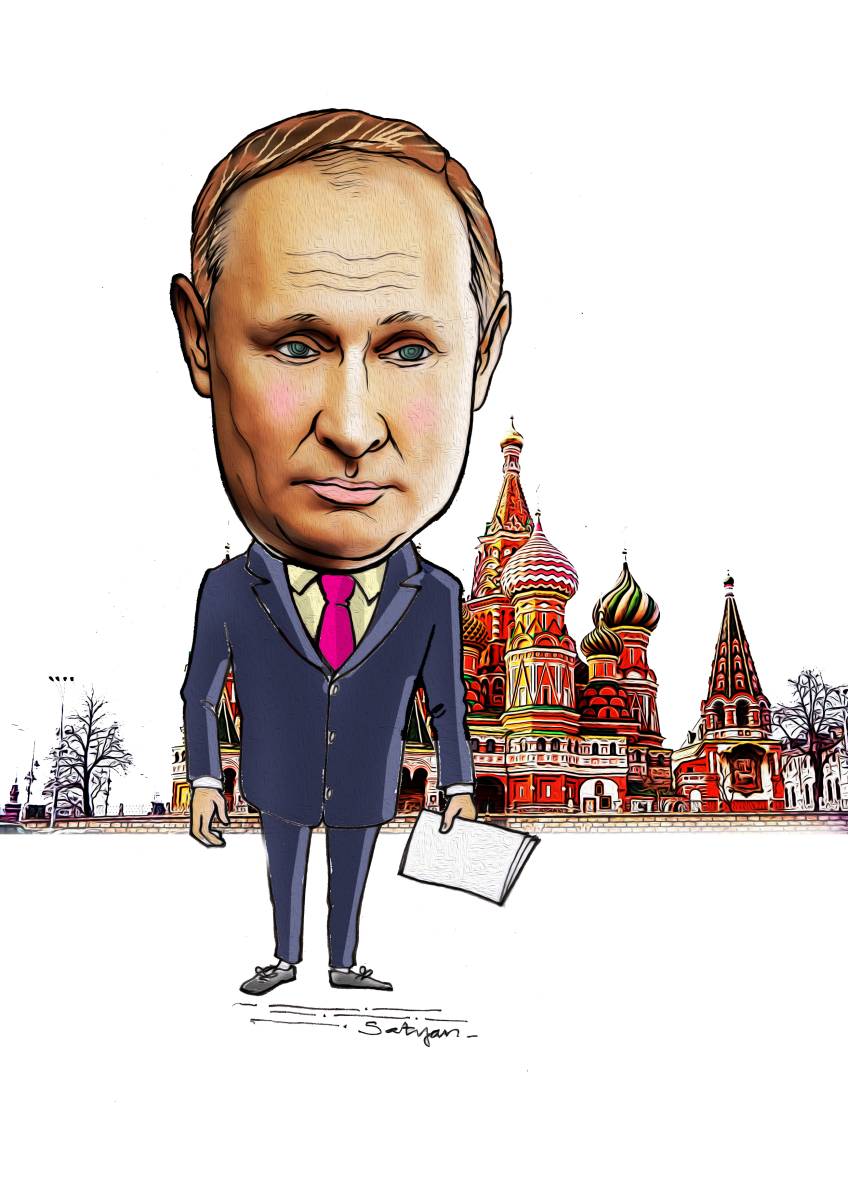
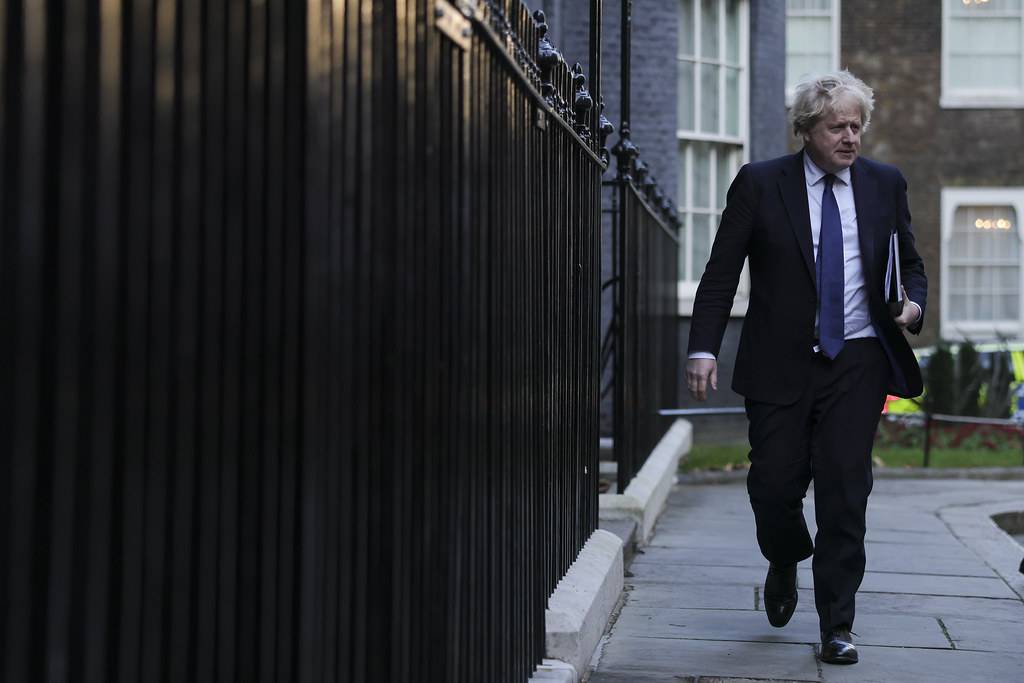
British Prime Minister Boris Johnson has dismissed President Vladimir Putin’s announcement that he is putting Russia’s nuclear deterrent on high alert as a “distraction” from the struggle his troops are facing in Ukraine.

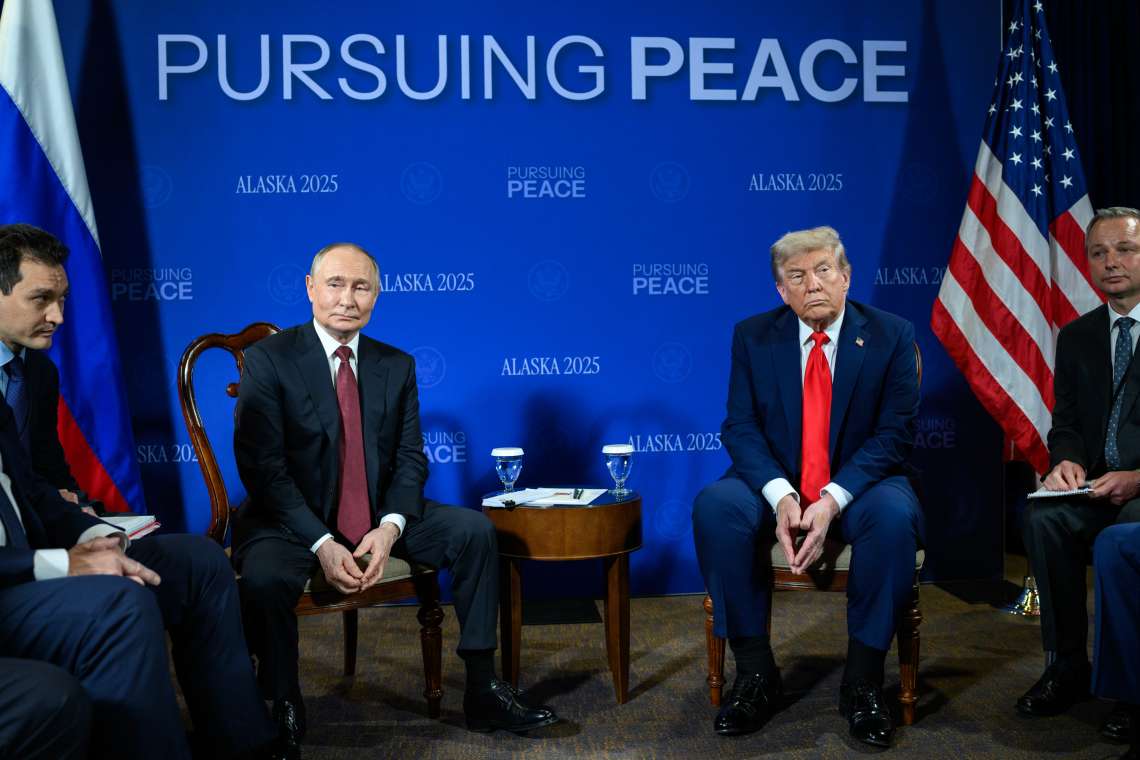
Putin said on Sunday that he was putting Russia’s nuclear forces on a “special regime of combat duty” in response to “aggressive statements” from western powers.

But Johnson suggested his actions were more to do with the fact that his forces were meeting “more resistance than the Kremlin had bargained for”.

He also cast doubt on possible negotiations between Russian and Ukrainian delegations to try to resolve the crisis.

Ukrainian President Volodymyr Zelenskyy agreed that the two sides could meet on the Ukraine-Belarus border, having initially rejected an offer of talks in Belarus.

But Johnson said there was nothing to suggest that Putin was genuine in his offer.

“There’s nothing I’ve seen so far in his behaviour that leads me to think that he could possibly be sincere,” he said.

Earlier, Russian TV footage showed Putin meeting his defence minister and the chief of the general staff, and instructing them to put the nuclear deterrent on a “special regime of combat duty”.

“Western countries aren’t only taking unfriendly actions against our country in the economic sphere, but top officials from leading Nato members made aggressive statements regarding our country,” Putin said.

The expected assault on Kiev again failed to materialise on Sunday.

“This is an innocent people who are facing a totally unprovoked act of aggression against them,” Johnson said.

“And what’s actually happening is that they are fighting back perhaps with more effect, with more resistance, than the Kremlin had bargained for.

“You can see some of the logistical difficulties that the Russian forces are experiencing. The Russian Defence Ministry have themselves conceded that they’re having casualties.

“This is a disastrous misbegotten venture by President Putin.”

In the US, White House press secretary Jen Psaki accused Putin of resorting to the tactics he used running up to invasion, “which is to manufacture threats that don’t exist in order to justify further aggression”.

Nato Secretary General Jens Stoltenberg also condemned the threat.

“This is dangerous rhetoric,” Stoltenberg said. “This is a behaviour which is irresponsible.”

On Sunday, Johnson addressed the congregation at the Ukrainian Catholic Cathedral in London.

He said that while he bore no hostility to the Russian people, there was no excuse for the country’s leaders who had chosen “the path of violence and aggression”.

“Never in all my study or memory of politics and international affairs have I seen so clear a distinction between right and wrong, between good and evil, between light and dark,” Johnson said.

‘SWIFT’ hit on Russia

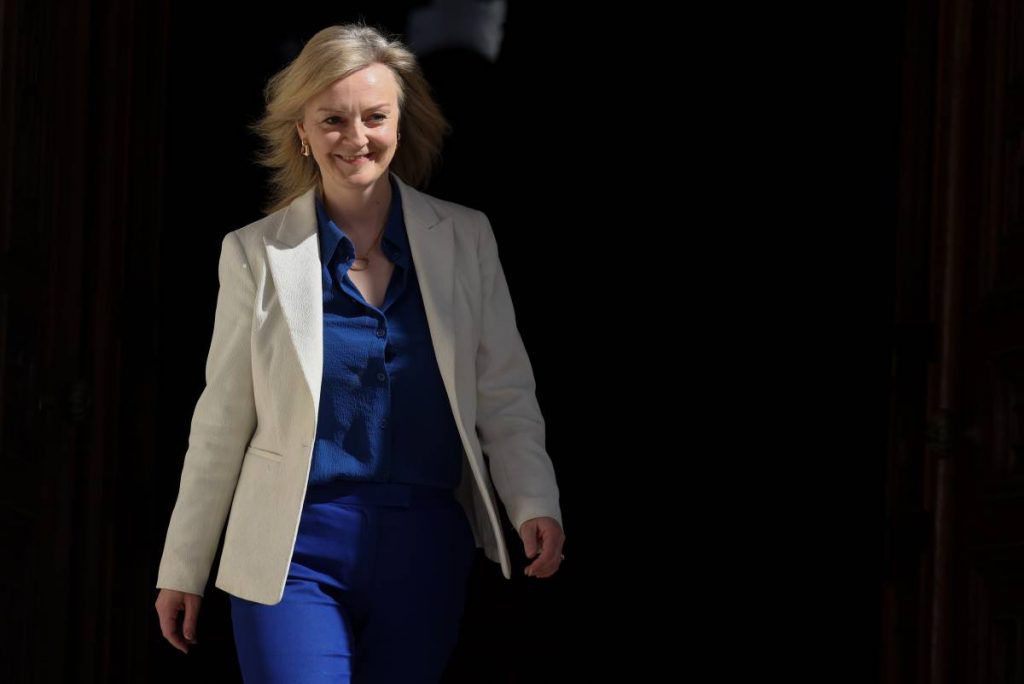
Earlier, Foreign Secretary Liz Truss said that faced with the possible end of his regime, Putin could resort to the “most unsavoury means” in Ukraine.

“I urge the Russians not to escalate this conflict but we do need to be prepared for Russia to seek to use even worse weapons,” Truss told Sky News

After the co-ordinated announcement by the UK, US, EU and Canada late on Saturday that some Russian banks would be excluded from the Swift global payments system, she said it was vital to maintain pressure on Moscow with more economic sanctions.

She said the Foreign Office was drawing up a “hit list” of Russian oligarchs who would have travel bans and asset freezes imposed in the coming weeks.

Truss said there would be an “economic cost” to pay for sanctions but it was essential that Mr Putin was stopped in Ukraine to avert future wars in Europe.
“If we don’t stop Putin in Ukraine we are going to see others under threat – the Baltics, Poland, Moldova — and it could end up in a conflict with Nato,” she said.

“Yes, there will be an economic cost here in Britain, there will be a cost in terms of access to oil and gas markets.

“I firmly believe that the British public understand the price we will pay if we don’t stand up to Putin now.”

PM call with President Zelenskyy

The Prime Minister spoke to Ukrainian President Zelenskyy again yesterday evening.

The Prime Minister lauded the bravery of the Ukrainian people following the Russian invasion and praised the leadership of President Zelenskyy in the face of such adversity.

The resistance of the Ukrainian people was heroic, the Prime Minister added.
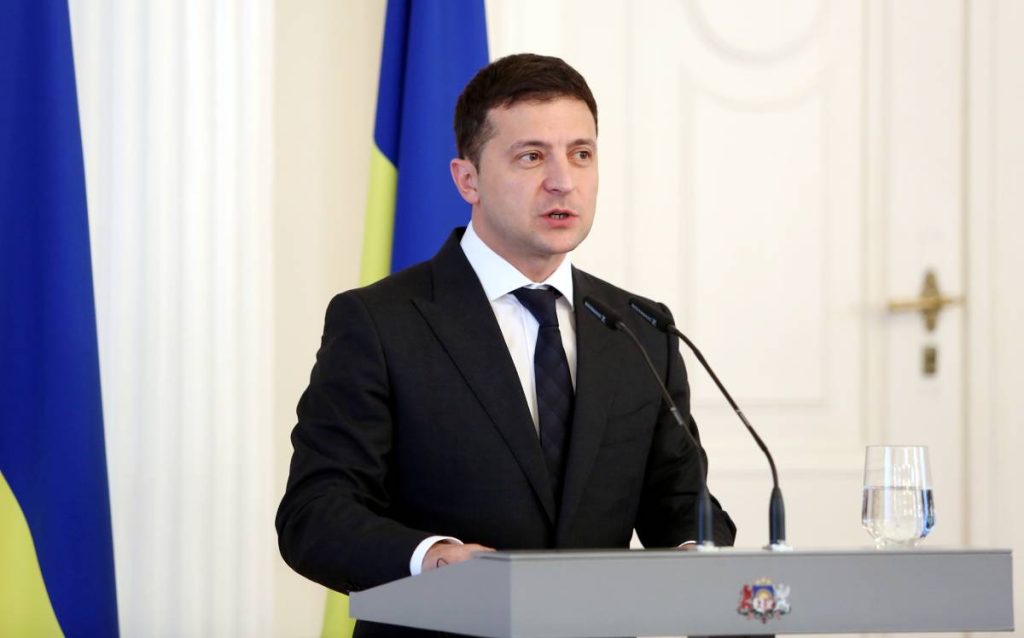
President Zelenskyy said he believed the next 24 hours was a crucial period for Ukraine, and the Prime Minister said he would do all he could to help ensure defensive aid from the UK and allies reached Ukraine.

The leaders agreed to continue to stay in close contact and the Prime Minister reiterated the UK’s staunch support for Ukraine’s sovereignty.

Humanitarian aid to Ukraine

Meanwhile, Prime Minister Boris Johnson announces £40 million of further humanitarian aid to Ukraine.

The funding will help aid agencies respond to the deteriorating humanitarian situation, creating a lifeline for Ukrainians with access to basic necessities and medical supplies such as medicines, syringes, dressings and wound care packs. UK Government humanitarian experts have also deployed to the region to support those fleeing the violence in Ukraine.

Prime Minister spoke again to Ukrainian President Zelenskyy who updated him on the critical need for humanitarian assistance as people are forced to flee their homes and seek safety.

The UK also continues to support those Ukrainians who wish to remain close to home through logistical and humanitarian support to Ukraine’s neighbours.

The Prime Minister said, “In the last days the world has witnessed awe-inspiring displays of bravery and heroism from the Ukrainian people in response to those who seek to obliterate their freedom by force.”
ALSO READ-Poland sees massive influx of Ukrainian refugees

Previous Story

India’s ‘abstaining’ spree continues on Ukraine

Next Story

Russia’s historical grievance towards West triggered invasion of Ukraine

Previous Story

India’s ‘abstaining’ spree continues on Ukraine

Next Story

Russia’s historical grievance towards West triggered invasion of Ukraine

Latest from -Top News

Pakistan Risks Overstretching Itself in Yemen War

Pakistan’s expanding military role in Saudi Arabia amid the Yemen conflict could strain its defence resources and fragile finances…reports Asian Lite News Desk Pakistan’s military involvement in the war in Yemen may prove unsustainable because of mounting financial pressures and competing security demands, according to a new report. Islamabad’s growing military presence in Saudi Arabia risks stretching its defence resources while exposing the country to greater strategic and economic challenges. An article by Andrew Wilson in One World Outlook describes Pakistan’s involvement as a case of “fiscal and strategic overreach”, arguing that the country lacks the financial flexibility to sustain an expanded military commitment. Pakistan’s external finances depend heavily on an International Monetary Fund (IMF) programme, financial support from Gulf countries and remittances from Pakistani workers in the region. The report argues that deeper military involvement in the conflict could place additional pressure on these sources of financial stability. It also warns that deploying troops and military equipment abroad could weaken Pakistan’s capacity to address security challenges along its eastern border and deal with two domestic insurgencies. The move could also draw Islamabad into a conflict it has sought to approach cautiously. A Reuters report in May, citing Pakistani security and government sources, said Islamabad had deployed around 8,000 troops, a squadron of approximately 16 aircraft, mostly JF-17 fighter jets, two drone squadrons and a Chinese HQ-9 air-defence battery to Saudi Arabia. According to those sources, Riyadh was financing the deployment, with Pakistani personnel operating the equipment. The sources also said a confidential agreement contemplated the possibility of deploying up to 80,000 troops. Islamabad has not confirmed those figures, although it has acknowledged its military presence in Saudi Arabia, including the deployment of fighter jets at King Abdulaziz Air Base from April. The One World Outlook article argues that Saudi financial support can cover allowances and operating expenses but cannot easily replace military equipment needed elsewhere or resolve the political and strategic challenges of participating in the Yemen conflict. Pakistan’s defence budget is another concern. For the 2026-27 financial year, the federal government allocated PKR 3 trillion, or approximately $10.8 billion, to defence services. The allocation represents an 18 per cent increase from the original PKR 2.55 trillion provision and amounts to around 2.1 per cent of projected gross domestic product (GDP). Defence spending accounts for approximately 16 per cent of the federal government’s PKR 18.8 trillion expenditure. Military pensions are budgeted separately at PKR 822 billion, while debt servicing costs stand at approximately PKR 8 trillion, more than two-and-a-half times the defence allocation. The report argues that these competing financial obligations leave little room for additional military expenditure without placing further pressure on public finances. Pakistan’s reliance on IMF assistance also limits its fiscal flexibility. The country must meet the conditions attached to the programme, including a primary budget surplus target of 2 per cent of GDP and continued restraint on development spending. According to the article, these requirements make it difficult for Islamabad to finance an additional military commitment without compromising other budgetary priorities. Pakistan’s economic indicators offer limited reassurance. Economic growth for the 2025-26 financial year is estimated at between 3.6 and 3.7 per cent, while inflation reached approximately 10.3 per cent in September following an energy price shock. Foreign exchange reserves stood at around $21.5 billion at the end of September. Although this marks an improvement from the low levels recorded in 2023, the report notes that the reserves cover only a few months of imports. Financial assistance from Gulf partners remains central to Pakistan’s external stability. The article says Islamabad holds approximately $8 billion in Saudi deposits at its central bank. In July, the State Bank of Pakistan said Riyadh had extended the maturity of $5 billion in deposits to December 2028, easing the country’s immediate external financing requirements. A further $3 billion deposit was also extended in the spring. However, the article argues that these arrangements provide temporary relief rather than long-term financial independence, particularly as regional conflict threatens the stability of the Gulf economies on which Pakistan relies. The report concludes that Pakistan faces a difficult balance between supporting Saudi Arabia militarily and preserving the financial and military resources needed to address its domestic and regional challenges.

UK and Germany Ratify Kensington Treaty

Britain and Germany ratify the Kensington Treaty, agreeing new cooperation on AI, quantum research, defence and security while targeting investment, jobs and Russian hybrid threats…reports Asian Lite News Desk Britain and Germany

Economic tide is turning in Bangladesh

If there is one thing that can bring some comfort to the struggling Bangladeshi economy, it is good relations with India. Bangladesh should remember that Delhi’s backing, through easy supplies of essentials
Go toTop

Don't Miss

Russia won’t help if China breaches LAC, US NSA warns India

The US does not want to see a rapid acceleration

Inquiry finds UK’s Covid failings among worst in history

Tory MPs Jeremy Hunt and Greg Clark, who chair the