As a result of China’s pro-active engagements in Nepal during Xi’s last tenure, the US has also geared up to counter China in the South Asian nation, writes Santosh Ghimire
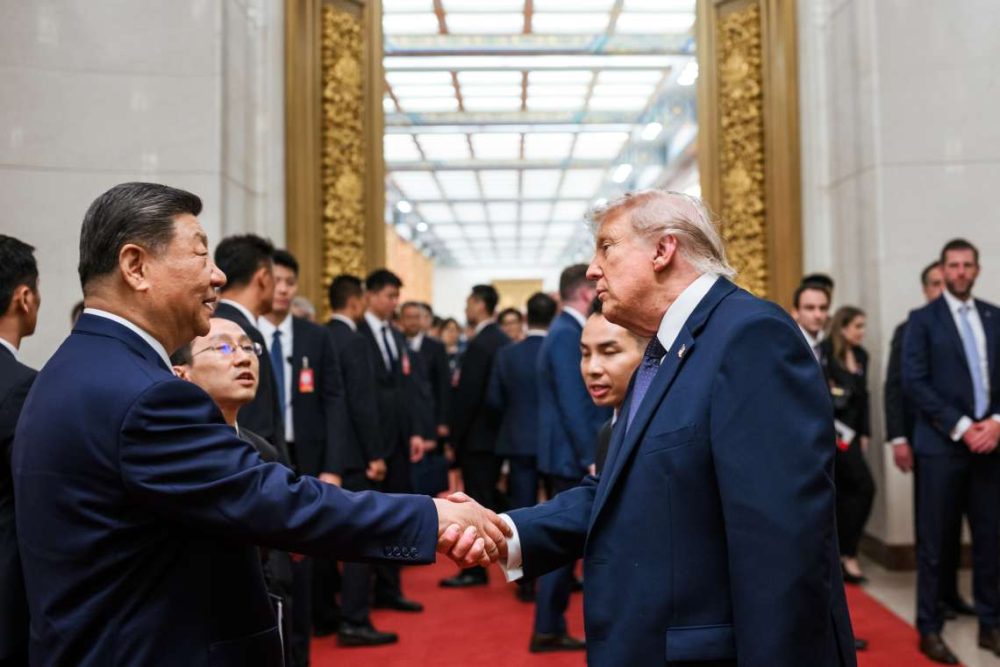
As Chinese President Xi Jinping began his third five-year term as the General Secretary of Communist Party of China (CPC) on Sunday, the fresh political development in the northern neighbour was also deeply observed in next-door Nepal.
In Nepal, Xi’s re-election to the party’s top job is being viewed from two perspectives. According to China watchers here, the first is how China takes forward its overall neighbourhood policy, including Nepal, and the second is how China battles the US in the region during Xi’s upcoming tenure.
Sundar Nath Bhattarai, Chairman of China Study Center, said that China has viewed Nepal as a gateway to South Asia and brought various infrastructure plans accordingly.
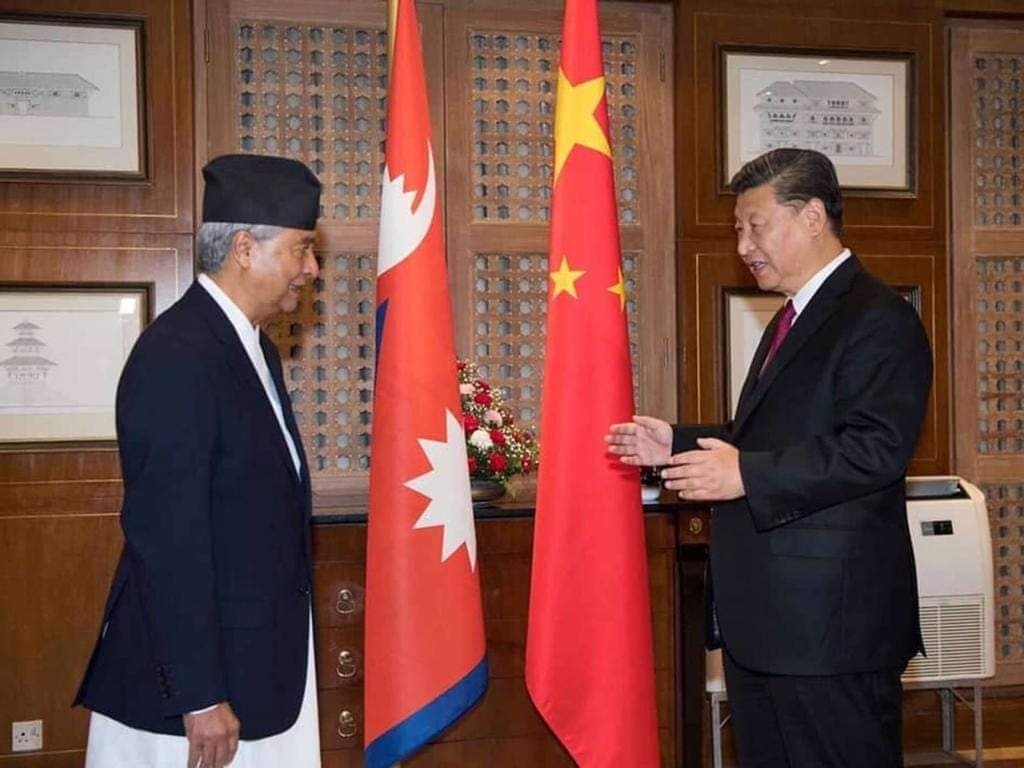
“Chinese President Xi told multiple times that he sees Nepal as a dynamic bridge between China and South Asia. It was Xi who vowed to transform landlocked Nepal into a land-linked country when he visited Nepal in October 2019. However, his strategic vision could not go into implementation due to both geopolitical and domestic reasons in his last term. This time around, Xi may push the same idea although he knows that India is not positive towards it,” Bhattarai told India Narrative on Sunday.
Of late, Nepal has witnessed growing strategic rivalry between the US and China and this trend will continue, he added.
“China may become more assertive in Nepal in the coming days due to growing influence of the West, particularly the US,” Bhattarai, who is also a former career diplomat, said.
As a result of China’s pro-active engagements in Nepal during Xi’s last tenure, the US has also geared up to counter China in the South Asian nation, observers said.
Recent geopolitical events suggested that China’s reactive diplomacy put Nepal into a geopolitical quagmire as the rising power made an unsuccessful attempt to prevent the passage of the US-initiated Millennium Challenge Corporation (MCC) Compact from the Nepali Parliament in February this year.
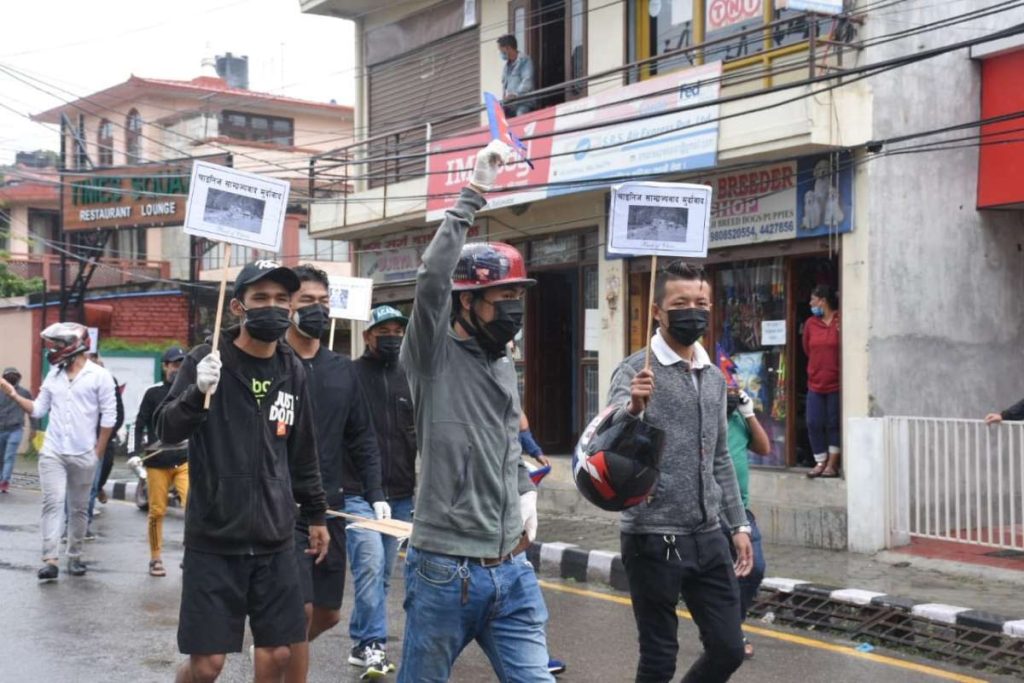
Nepal is trapped in the geopolitical and geostrategic rivalries between China and the US over the Tibetan issue, too.
When Xi visited Nepal in October 2019, he told the Nepali leaders that anyone attempting to split China will be “crushed”. Xi’s comments came as Beijing had been putting pressure on Kathmandu to rein-in pro-Dalai Lama Tibetans in Nepal.
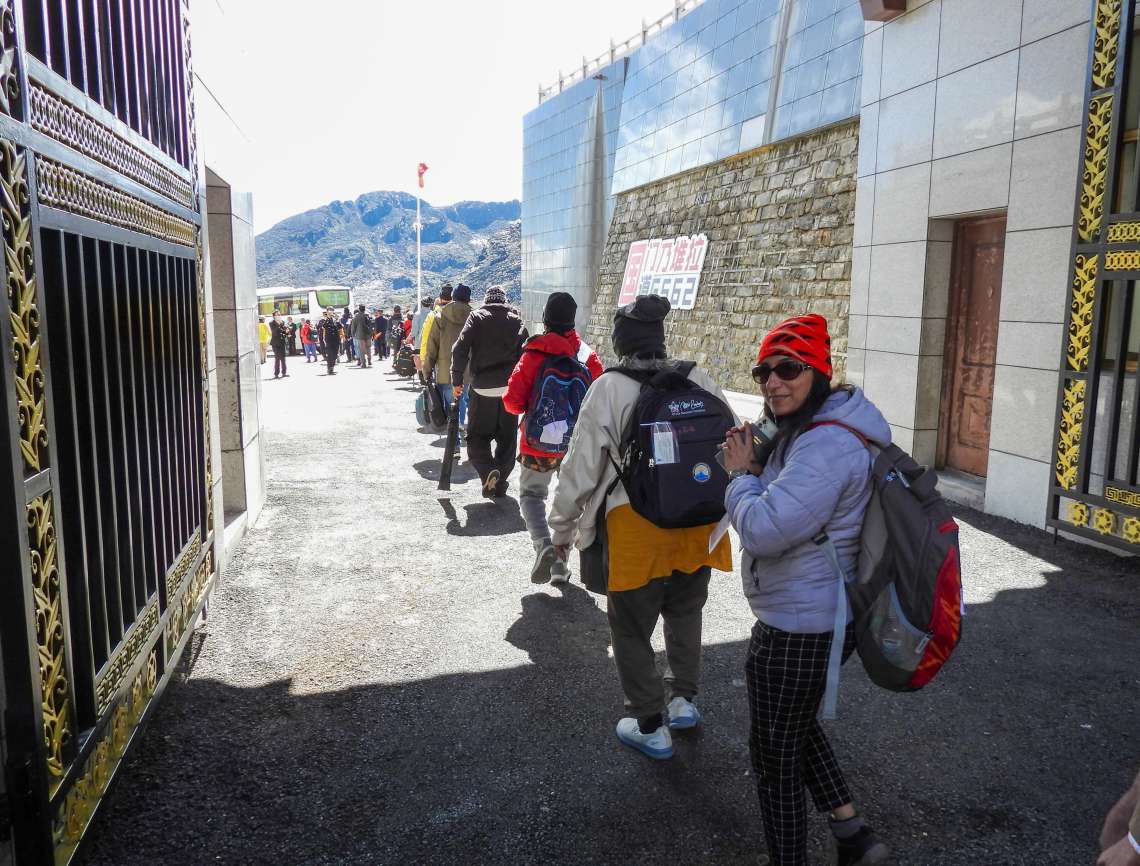
Nepal shares a 1414-km border with Tibet and is home to nearly 20,000 Tibetan exiles. Every year hundreds of Tibetan refugees enter Nepal crossing the Tibetan border on their way to Dharamsala, India, to meet their spiritual leader Dalai Lama. Beijing views the Dalai Lama as a secessionist trying to split the Tibetan region from China.
Amid growing tensions between Beijing and Washington over numerous issues, including the human rights of the Tibetans, Xi is likely to adopt a more assertive approach to protect his country’s security interest. This will put Nepal into a geopolitical quagmire, experts believe.
Bhattarai agreed that Xi’s China will keep seeking assurances from the Nepali leaders over the Tibet issue, calling it a sovereign matter of China.
“It was Xi who warned the Nepali leaders in 2019 that anyone attempting to split China will be crushed. Xi was referring to the US attempt to play the Tibetan card,” he added.
As China has become more assertive, projecting itself as a superpower, it has been pressing Nepal to implement the agreement reached between the two countries. In the final days of this second term, Xi sent senior CPC leaders and Ministers to Nepal and those visits were aimed at keeping tabs on the US’ influence.
During Xi’s visit, the two countries had elevated their bilateral ties to “strategic partnership” and signed a slew of agreements, including a plan to build a trans-Himalayan railway line under the ambitious Belt and Road Initiative. However, Nepal has, of late, reluctantly conveyed to China that it wants only grants under BRI, not commercial loans.
Despite Nepal’s reluctance to execute projects under the BRI owing to debt-trap fear, China has kept asking Nepal to finalise railroad-connectivity projects. However, not a single project has been selected in Nepal yet under the mega infrastructure initiative introduced by Chinese President Xi in his first term (2013 to 2018).
“It is very likely that China will pursue the BRI with more vigour whereas the US and its allies may try to block the BRI projects. This may also cause unease in the South Asia region,” Yuba Nath Lamsal, a former Nepali Ambassador and foreign policy observer, told India Narrative.
As Xi seeks to build a new development pattern in all sectors of China at a time when the world economy is facing headwinds, China appears to portray the Chinese economic pattern as an alternative model of development.
Lasmal said that China is likely to be more assertive and outward looking in the international arena given Xi’s tone and tenor.
“As China seems to be portraying modernisation and security as the two sides of a coin, China may be more assertive in the neighbourhood, especially when the US is building its alliance and strengthening its capability in Asia and the pacific region. This scenario may create friction in our neighbourhood, which could be a matter of concern for countries in the region,” Lamsal told India Narrative.
In February, the MCC Nepal Compact, a $500 million infrastructure and economic development grant from the US government, was passed through Nepal’s parliament despite China’s public displeasure. China and the US also engaged in war of words over the MCC Nepal Compact accusing each other of violating Nepal’s sovereign decision.
China’s Ministry of Foreign Affairs accused the US of employing coercive diplomacy against Nepal while the US countered that it was China who was behind the delay in passing the US grant program MCC.
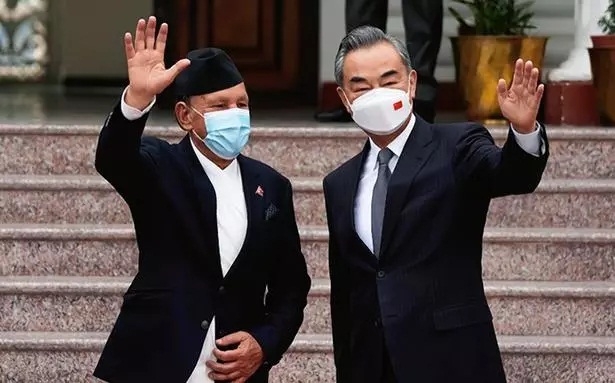
A month after the passage of the US grant programme MCC, Chinese Foreign Minister Wang Yi visited Kathmandu in March during which he said China would oppose any attempt to undermine Nepal’s sovereignty and independence, interfere in its internal affairs and engage in “geopolitical games”, indirectly hinting at growing US presence in the country.
(Santosh Ghimire is a diplomatic correspondent based in Kathmandu)
(The content is being carried under an arrangement with indianarrative.com)