“Climate change is already having severe economic consequences today,” parliamentary state secretary Stefan Wenzel said…reports Asian Lite News
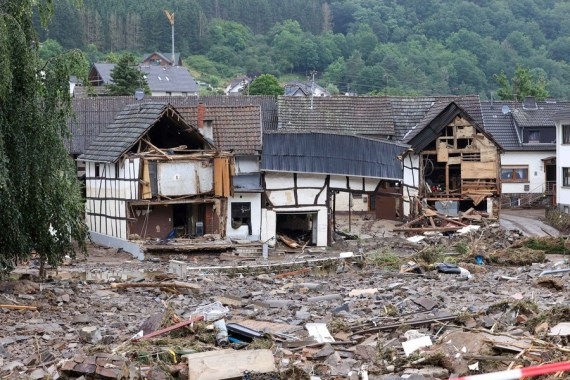
Germany is set to lose up to 900 billion euros by 2050 due to climate change related damages to its economy, according to a study published the Ministry for Economic Affairs and Climate Action (BMWK) and the Ministry for the Environment, Nature Conservation, Nuclear Safety and Consumer Protection (BMUV).
Even the best-case scenario calculating with only a moderate rise in temperatures forecasts losses of around 280 billion euros in the same period.
In addition to financially measurable effects, there will be “numerous health impairments, deaths from heat waves and flooding, a strain on ecosystems, a loss of biodiversity, and a reduction in quality of life”, the Ministries said.
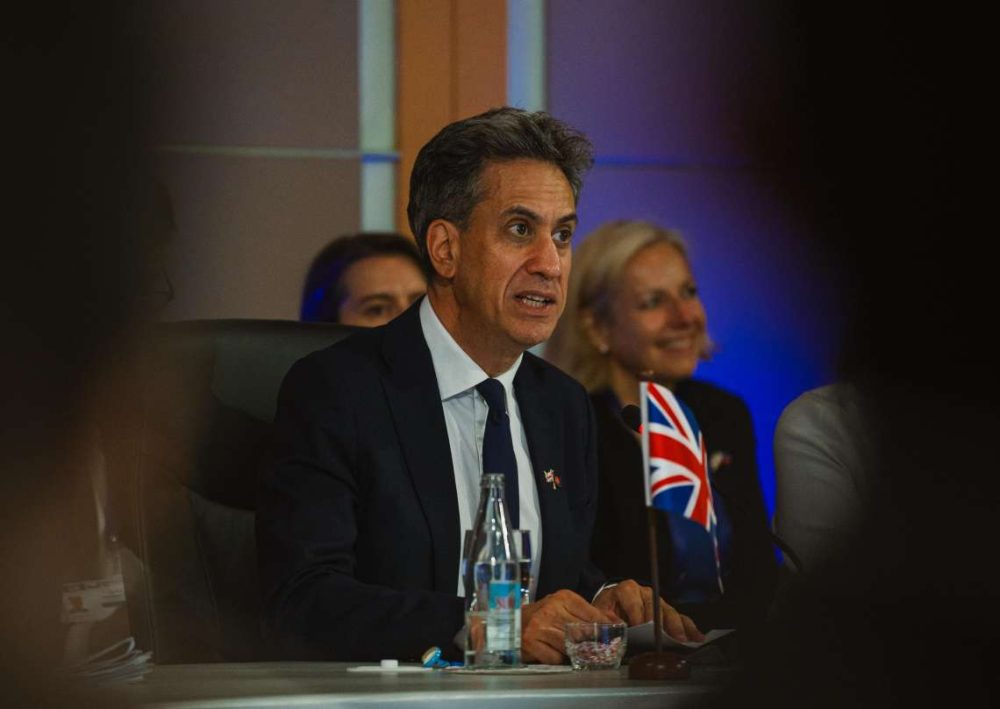
“Climate change is already having severe economic consequences today,” parliamentary state secretary Stefan Wenzel said.
“Every euro invested in climate protection reduces the economic costs that could arise in the future as a result of extreme events.”
Hurricanes, floods, and other natural disasters inflicted damages worth $270 billion worldwide in 2022, according to recent figures by German reinsurer Munich Re.
Although the figure was less than that in 2021, the trends in recent years had shown a steady increase in such damages, the company said.
“Climate change is taking an increasing toll,” Thomas Blunck, member of the board of management of Munich Re, said in a statement.
According to Blunck, the damages in 2022 were mainly caused by events that were more intense or were occurring more frequently than in earlier years.
On Monday, the German National Academy of Sciences Leopoldina called on the government to speed up the transformation of the country’s energy system to help achieve the Paris climate targets both in Germany and Europe.
“It is also important to come up with the technologies that make this possible worldwide,” it said.
Germany aims to be climate neutral by 2045, partly by increasing the share of renewable energy sources in gross electricity consumption from around 44 per cent in 2022 to at least 80 per cent by 2030.
The energy transition in Europe’s largest economy is “not progressing fast enough”, a study published in February by the German Association of Energy and Water Industries (BDEW) and the consulting firm Ernst and Young has found.
In particular, the roll-out of renewable energy technologies was still proceeding “far too slowly”.