Samsung has made some progress on the sustainability front to keep its word…reports Asian Lite News
With the one year anniversary of Samsung’s release of its mid- to long-term environmental management strategy nearing, the South Korean tech giant has said it was on the path toward achieving net zero companywide by 2050.
In September last year, Samsung unveiled the New Environmental Strategy, detailing its road map to achieve net zero at the Device eXperience (DX) division, covering its mobile and home appliances business, by 2030 and at the company level, including its chip Device Solutions (DS) division, by 2050.
Samsung has made some progress on the sustainability front to keep its word, its recent report showed.
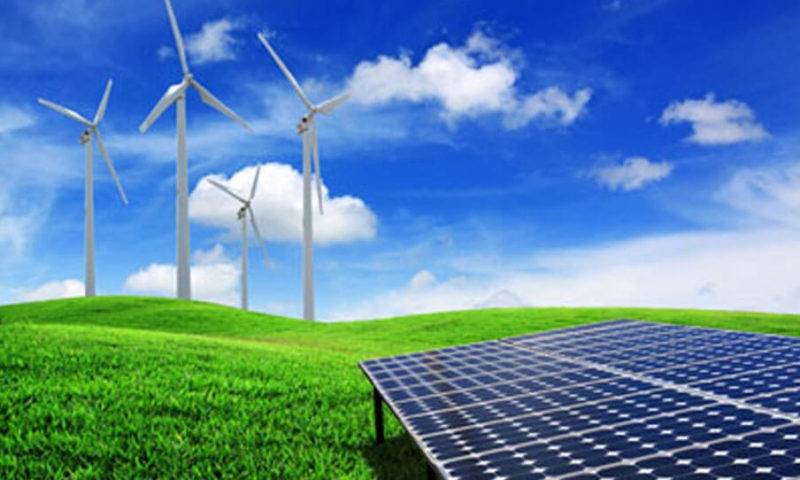
The company’s use of renewable energy rose 65 percent last year to reach 8,704 gigawatt hours, according to Samsung’s 2023 sustainability report in June, reports Yonhap news agency.
The DX division reported the highest transition rate of 93 per cent, while the rate stood at 23 per cent at the DS division and at 31 percent companywide.
In 2020, Samsung completed its transition to 100 per cent renewable energy in the United States, Europe and China. Last year, the company did so at all of DX division’s business sites in South Korea, and manufacturing sites in Vietnam, India and Brazil, according to the report.
Samsung, one of the world’s biggest manufacturers of electronic devices and semiconductors, also said it had reduced 10.16 million tons of carbon dioxide compared with business-as-usual, up 59 percent from the previous year.
Use of recycled and recyclable materials had increased, with 98,826 tons of plastic with recycled resin being used last year at a utilization rate of 14 percent and collecting 600,502 tons of electronic waste.
Samsung planned to expand the use of renewable resins in all its plastic products by 50 per cent by 2030 and 100 per cent by 2050.
Last year, Samsung joined the RE100, a global corporate initiative aimed at shifting to 100 percent renewable electricity. It vowed to increase the energy efficiency of its seven biggest-selling products, ranging from smartphones and washers to air conditioners, by 30 percent.