The Washington-based lender unveiled the draft policy notes that it prepared with the help of all stakeholders for the next government…reports Asian Lite News
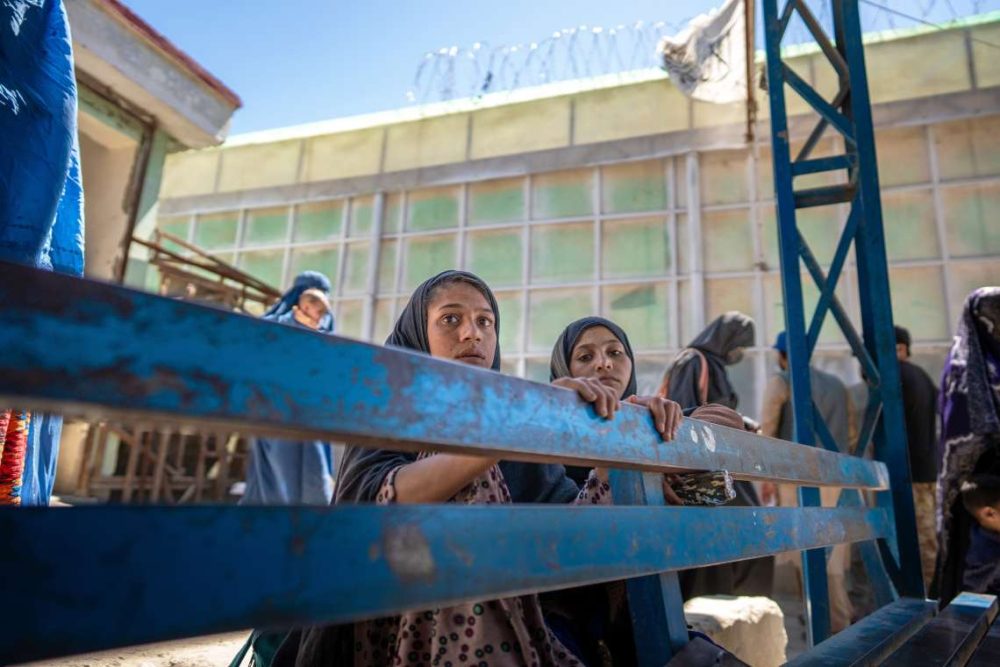
Pakistan’s 40 per cent of the population lives below the poverty line, as per the World Bank, Dawn reported.
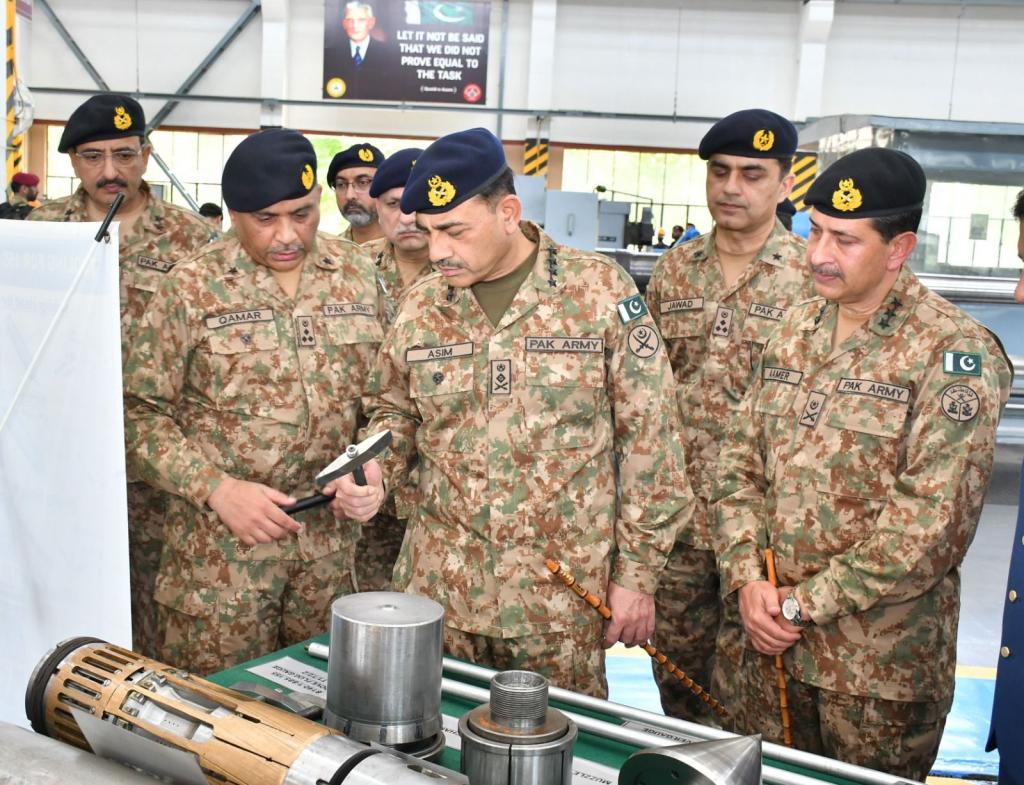
The country now needs to take a look at its policy decisions driven by strong vested interests of military, political and business leaders, as per the World Bank.
The warning by the financial institution comes ahead of the new election cycle so that the upcoming government can make early choices.
The World Bank has asked Pakistan to tax its agriculture and real estate to achieve economic stability through steep fiscal adjustment of over seven per cent of the size of the economy, as per Pakistan-based The Express Tribune newspaper.
The lender on Friday also revealed that poverty in Pakistan shot up to 39.4 per cent as of last fiscal year with 12.5 million more people falling into the trap due to poor economic conditions. About 95 million Pakistanis now live in poverty.
The Washington-based lender unveiled the draft policy notes that it prepared with the help of all stakeholders for the next government.
The lender identified low human development, unsustainable fiscal situation, over-regulated private sector, agriculture and energy sectors as the priority areas for reforms for the next government.
The World Bank proposed measures that immediately increase the tax-to-GDP ratio by five per cent and cut expenditures by about 2.7 per cent of GDP, aimed at putting the unsustainable economy back on a prudent fiscal path, according to the Express Tribune.
Meanwhile, the WB’s lead country economist Tobias Haque said the bank is deeply concerned about the economic situation of today.
Pakistan is facing serious economic and human development crises and it is at a point where major policy shifts are required, he added.
The bank’s note on strengthening government revenues showed a host of measures to improve the revenue-to-GDP ratio by five per cent through the withdrawal of tax exemptions and increasing the burden of taxes on the real estate and the agriculture sectors, as per The Express Tribune. (ANI)
ALSO READ-India, Pakistan Attend Meeting on Indus Waters Treaty