A survey based on interviews with around 520 business owners was conducted in the first quarter of 2023….reports Asian Lite News
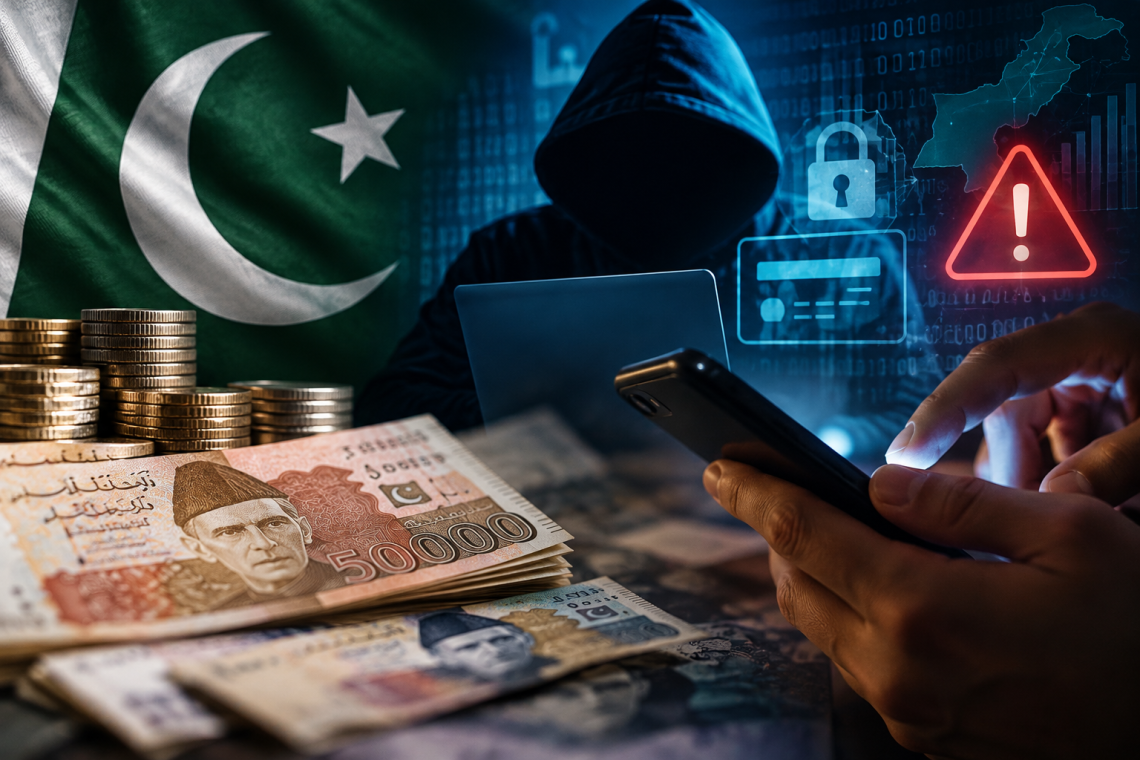
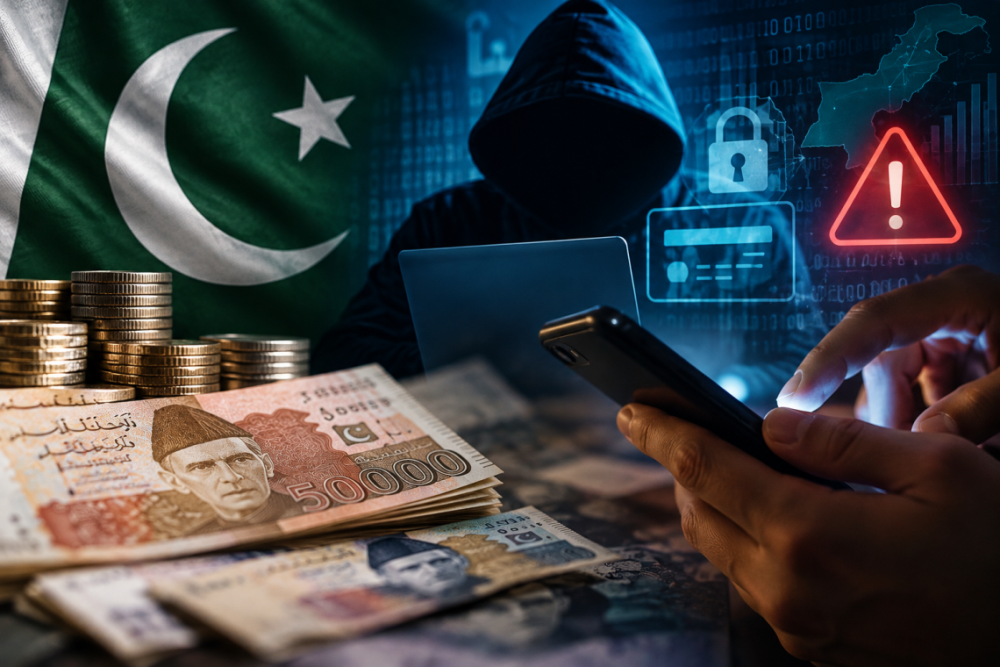
Business confidence in Pakistan continued to slide in the first three months of 2023 amid multiple economic crises, according to the latest edition of the Gallup Business Confidence Index.
“Last year’s political instability has carried over to combine with various economic crises and exacerbated business insecurity,” Dawn news quoted the survey as saying.
Wave-9 of the survey is based on interviews with around 520 business owners conducted in the first quarter of 2023 across Pakistan.
The exercise consisted of three broad strands, namely the current business situation, the future business situation and the direction of the country. Index values dropped on a quarter-on-quarter basis to an all-time low in each of the three strands.
Two-thirds of the businesses surveyed said they faced bad or worse conditions than before. There was a 7 per cent increase in the number of businesses reporting “very bad” business conditions, Dawn reported.
With a fall of one percentage point from the preceding quarter, the Current Business Situation Score clocked in at -32 per cent.
The number of businesses saying they’d be worse off in the future increased 7 per cent from the preceding quarter.
About 61 per cent businesses said their future expectations were “negative”, while only 38 per cent expected the situation to improve.
The Future Business Confidence Score worsened by 11 percentage points to -22 per cent on a quarterly basis.
Perceptions held by the business community about the direction of the country deteriorated from -75 per cent to -79 per cent in January-March, with as many as 90 per cent of the businesses saying the country was headed in the wrong direction, Dawn reported.
Inflation remained the “most-cited problem” that most businesses (45 per cent) would like the government to solve.
Compared to the preceding quarter, a higher number of businesses wanted the government to “help with currency depreciation” even though fewer of the same respondents believed the government should provide relief on utility prices.
Danger of defaulting
There is a real danger that Pakistan could default on its debt, which could lead to intensifying political turmoil amid already surging terrorism, says an analysis by the US Institute of Peace (USIP) said.
There is a real danger that nuclear-armed Pakistan with a population of nearly 230 million people may be unable to meet its external debt obligations — which will trigger a sovereign default, it said.
If Pakistan ultimately defaults, there will be a cascade of disruptive effects.
Crucially, Pakistan’s imports could be disrupted, which could lead to a shortage of some essential goods and commodities. In Sri Lanka, the disruption of oil imports stoked public discontent, protests and a change in government.
Pakistan, which is already seeing intense political conflict between Sharif’s government and opposition leader Khan, may also see the economic crisis creating more political turmoil, the analysis said.
And given Pakistan’s demographic profile and surging terrorism threats, the resulting crisis could go in unexpected directions.
To avert this scenario, Pakistan needs IMF’s continued support as well as help from Chinese and Middle Eastern partners. Pakistani leadership has been asking the US to intercede with the IMF, but that effort hasn’t borne fruit in the way they hoped for.
Pakistani leadership is also making frantic efforts for bailouts from foreign partners, but it is unclear if they will make the difficult reform choices necessary to win the trust of the IMF, the analysis said.
Pakistan’s stability increasingly depends on the outcome of an ever-worsening economic crisis. Amid skyrocketing inflation, political conflict between Prime Minister Shehbaz Sharif’s government and former Prime Minister Imran Khan, and surging terrorism, the country is facing the risk of a default due to its massive external debt obligations, the USIP analysis said.
This burden has been exacerbated by the derailment of the $6.5 billion International Monetary Fund (IMF) program Pakistan entered in 2019, as the international lender is unsatisfied with Pakistan’s commitment to reform and ability to arrange for funds to meet external financing requirements.
Troublingly, Pakistan’s official foreign exchange reserves are hovering around $4 billion, which is insufficient to finance even a one-month of the country’s import bill.