October 28, 2024
4 mins read

CIA, Mossad chiefs to meet on Gaza ceasefire  

The talks aim to get Israel and Hamas to agree to a ceasefire in Gaza that would last less than a month, with the hope that it would lead to a more permanent agreement…reports Asian Lite News

The directors of the CIA and Israel’s Mossad will meet Qatar’s prime minister in Doha on Sunday to begin negotiations for a new short term Gaza ceasefire deal and the release of some hostages by Hamas in exchange for Israel’s release of Palestinian prisoners, an official briefed on the talks said.

The talks aim to get Israel and Hamas to agree to a ceasefire in Gaza that would last less than a month, with the hope that it would lead to a more permanent agreement, the official said. The details of which or how many hostages and prisoners would be released as part of the deal is not yet clear, the official said.

Two-day ceasefire proposed by Egypt

Egyptian President Abdel Fattah al-Sisi proposed a two-day ceasefire in Gaza to allow for the exchange of four Israeli hostages held by Hamas for a number of Palestinian prisoners.

The announcement on Sunday came as Israeli airstrikes killed 45 Palestinians across the region. During a press conference in Cairo with Algerian President Abdelmadjid Tebboune, President Sisi stated that negotiations should resume within 10 days of implementing a temporary ceasefire to work toward a lasting resolution.

While there has been no official response from Israel or Hamas, a Palestinian official involved in the mediation efforts told Reuters, “I expect Hamas would listen to the new offers, but it remains determined that any agreement must end the war and get Israeli forces out of Gaza.”

Israel has stated that the war will not conclude until Hamas is eliminated as both a military force and governing authority in Gaza. The US, Qatar, and Egypt have been leading diplomatic efforts to end the conflict, which erupted on October 7 last year when Hamas fighters launched an incursion into southern Israel, resulting in 1,200 deaths and over 250 hostages, according to Israeli reports.

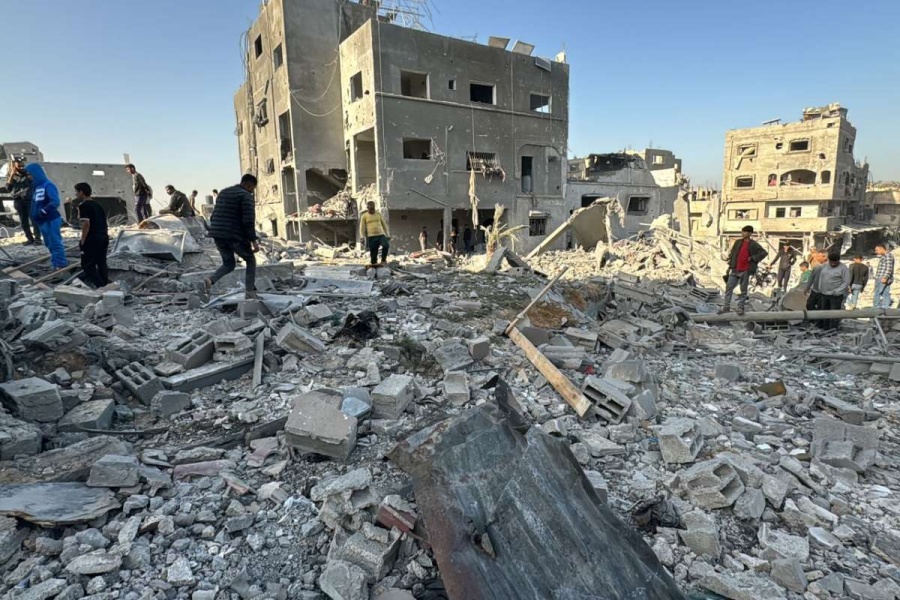
In Gaza, health officials report the death toll from Israel’s retaliatory air and ground strikes is nearing 43,000, with much of the densely populated territory left in ruins.
UN expresses shock

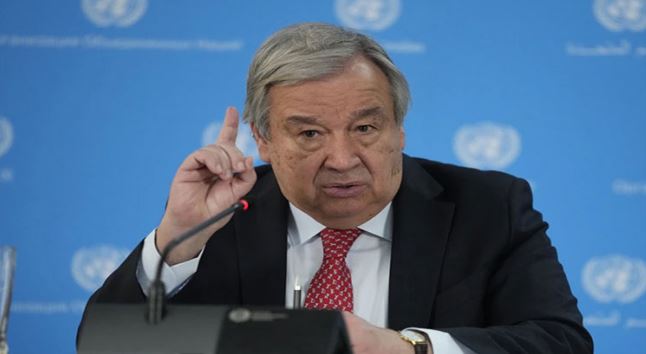
Meanwhile, Antonio Guterres, Secretary-General of the United Nations, expressed “shock” at the “horrifying levels of death, injury, and destruction” in northern Gaza.

He stated civilians are trapped under rubble, patients and the injured are being denied life-saving medical care, and families are left without food or shelter, adding that United Nations reports confirm family separations and multiple detentions.

In an official statement today, Stephane Dujarric, Spokesperson for the UN Secretary-General, highlighted the “unbearable plight” of Palestinian civilians in North Gaza, noting that in recent weeks, hundreds of people have been killed, while over 60,000 have been forced to flee, many fearing they may never return.

The statement further spotlighted Israel’s continued refusal to permit essential humanitarian aid, including food, water, and shelter, into Gaza, barring minimal exceptions. This has left countless lives at risk.

The vaccination campaign against polio has also been delayed, endangering thousands of children.

The UN Secretary-General warned that the “devastation and deprivation resulting from Israel’s military operations in North Gaza – especially around Jabalya, Beit Lahiya and Beit Hanoun – are making the conditions of life untenable for the Palestinian population there.”

Guterres condemned the disregard for international humanitarian law requirements in this conflict, reiterating that all parties must prioritise the protection of civilians, humanitarian workers and first responders, whose essential work must be facilitated and protected, not impeded and jeopardised.

“In the name of humanity,” Guterres pleaded repeating his calls for an immediate ceasefire, the immediate and unconditional release of all hostages, and accountability for crimes under international law.

Iran condemns Israel’s attack

Iran on Saturday condemned Israel’s precision strikes on its military sites and termed it “acts of aggression” and “blatant violation of international law.”

The Iranian Foreign Ministry, in a statement, condemned the attack “in the strongest terms,” claiming the retaliatory strikes were a “blatant violation of international law and the United Nations Charter,” particularly the principle prohibiting the threat or use of force against the territorial integrity and national sovereignty of countries.

Iran stressed the use of all material and spiritual capabilities of the nation to defend its vital security interests, while also being congizant of its responsibilities for regional peace and security.

“As repeatedly emphasized by the competent authorities of the Islamic Republic of Iran, based on the inherent right of self-defense, as also reflected in Article 51 of the United Nations Charter, the Islamic Republic of Iran considers itself entitled and obliged to defend against acts of external aggression,” read the statement.

It emphasized the individual and collective responsibility of all regional countries to safeguard regional peace and stability and expresses gratitude to all peace-loving countries in the region and beyond who have condemned Israel’s aggressive actions and expressed their disgust over the regime’s warmongering posture.

ALSO READ: President Biden to celebrate Diwali

Previous Story

Beijing condemns US-Taiwan arms sales

Next Story

Harris hits Philly streets in final campaign push

Previous Story

Beijing condemns US-Taiwan arms sales

Next Story

Harris hits Philly streets in final campaign push

Latest from -Top News

Pakistan Risks Overstretching Itself in Yemen War

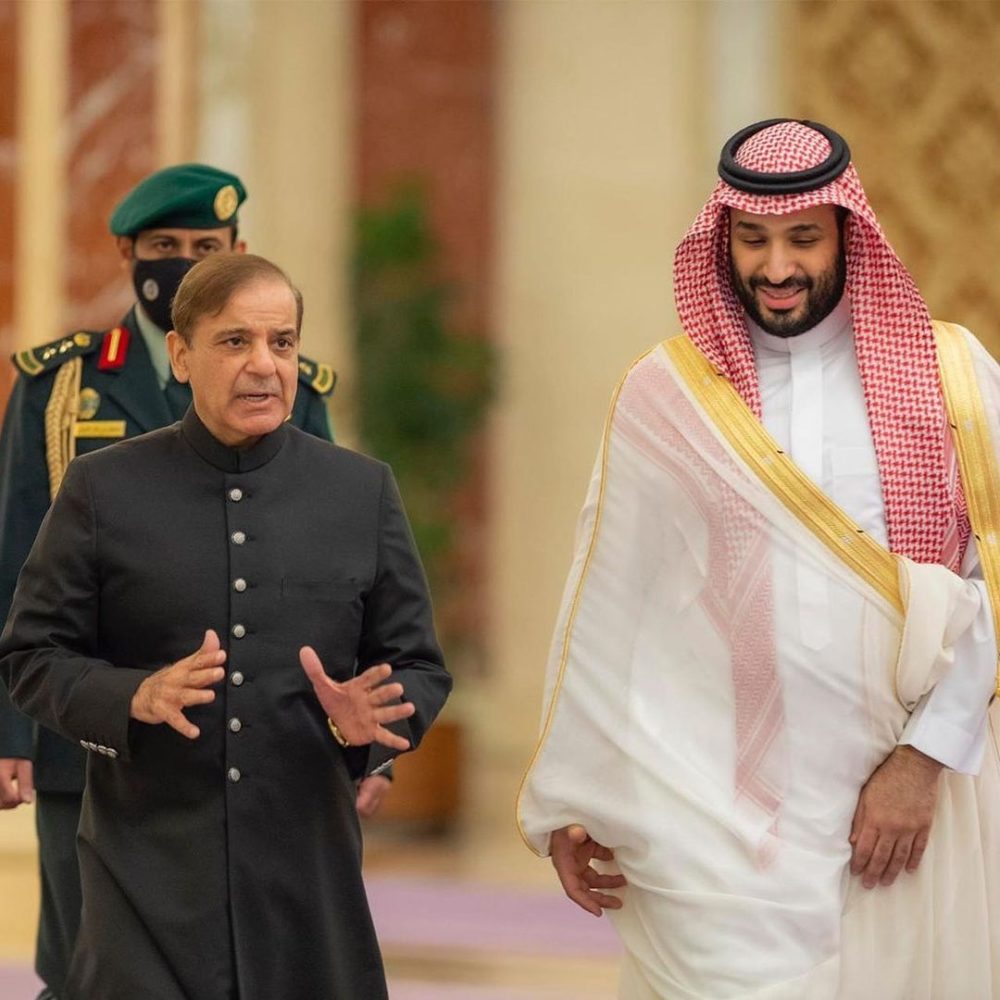
Pakistan’s expanding military role in Saudi Arabia amid the Yemen conflict could strain its defence resources and fragile finances…reports Asian Lite News Desk Pakistan’s military involvement in the war in Yemen may prove unsustainable because of mounting financial pressures and competing security demands, according to a new report. Islamabad’s growing military presence in Saudi Arabia risks stretching its defence resources while exposing the country to greater strategic and economic challenges. An article by Andrew Wilson in One World Outlook describes Pakistan’s involvement as a case of “fiscal and strategic overreach”, arguing that the country lacks the financial flexibility to sustain an expanded military commitment. Pakistan’s external finances depend heavily on an International Monetary Fund (IMF) programme, financial support from Gulf countries and remittances from Pakistani workers in the region. The report argues that deeper military involvement in the conflict could place additional pressure on these sources of financial stability. It also warns that deploying troops and military equipment abroad could weaken Pakistan’s capacity to address security challenges along its eastern border and deal with two domestic insurgencies. The move could also draw Islamabad into a conflict it has sought to approach cautiously. A Reuters report in May, citing Pakistani security and government sources, said Islamabad had deployed around 8,000 troops, a squadron of approximately 16 aircraft, mostly JF-17 fighter jets, two drone squadrons and a Chinese HQ-9 air-defence battery to Saudi Arabia. According to those sources, Riyadh was financing the deployment, with Pakistani personnel operating the equipment. The sources also said a confidential agreement contemplated the possibility of deploying up to 80,000 troops. Islamabad has not confirmed those figures, although it has acknowledged its military presence in Saudi Arabia, including the deployment of fighter jets at King Abdulaziz Air Base from April. The One World Outlook article argues that Saudi financial support can cover allowances and operating expenses but cannot easily replace military equipment needed elsewhere or resolve the political and strategic challenges of participating in the Yemen conflict. Pakistan’s defence budget is another concern. For the 2026-27 financial year, the federal government allocated PKR 3 trillion, or approximately $10.8 billion, to defence services. The allocation represents an 18 per cent increase from the original PKR 2.55 trillion provision and amounts to around 2.1 per cent of projected gross domestic product (GDP). Defence spending accounts for approximately 16 per cent of the federal government’s PKR 18.8 trillion expenditure. Military pensions are budgeted separately at PKR 822 billion, while debt servicing costs stand at approximately PKR 8 trillion, more than two-and-a-half times the defence allocation. The report argues that these competing financial obligations leave little room for additional military expenditure without placing further pressure on public finances. Pakistan’s reliance on IMF assistance also limits its fiscal flexibility. The country must meet the conditions attached to the programme, including a primary budget surplus target of 2 per cent of GDP and continued restraint on development spending. According to the article, these requirements make it difficult for Islamabad to finance an additional military commitment without compromising other budgetary priorities. Pakistan’s economic indicators offer limited reassurance. Economic growth for the 2025-26 financial year is estimated at between 3.6 and 3.7 per cent, while inflation reached approximately 10.3 per cent in September following an energy price shock. Foreign exchange reserves stood at around $21.5 billion at the end of September. Although this marks an improvement from the low levels recorded in 2023, the report notes that the reserves cover only a few months of imports. Financial assistance from Gulf partners remains central to Pakistan’s external stability. The article says Islamabad holds approximately $8 billion in Saudi deposits at its central bank. In July, the State Bank of Pakistan said Riyadh had extended the maturity of $5 billion in deposits to December 2028, easing the country’s immediate external financing requirements. A further $3 billion deposit was also extended in the spring. However, the article argues that these arrangements provide temporary relief rather than long-term financial independence, particularly as regional conflict threatens the stability of the Gulf economies on which Pakistan relies. The report concludes that Pakistan faces a difficult balance between supporting Saudi Arabia militarily and preserving the financial and military resources needed to address its domestic and regional challenges.

UK and Germany Ratify Kensington Treaty

Britain and Germany ratify the Kensington Treaty, agreeing new cooperation on AI, quantum research, defence and security while targeting investment, jobs and Russian hybrid threats…reports Asian Lite News Desk Britain and Germany

Economic tide is turning in Bangladesh

If there is one thing that can bring some comfort to the struggling Bangladeshi economy, it is good relations with India. Bangladesh should remember that Delhi’s backing, through easy supplies of essentials
Go toTop

Don't Miss

Prosecutors open to delaying Trump’s hush-money trial  

The hush-money case is one of four criminal indictments against

US Slaps Sanctions Over Iran–Venezuela Arms Link

President Donald Trump warned that Iran could face consequences “more