June 28, 2024
4 mins read

Israel-Hezbollah on brink of ‘all-out war’

The fresh Hezbollah attacks took place amid rising tensions along the Israel-Lebanon border as Israel warned it was “ready” to launch a “full-scale” offensive against Hezbollah….reports Asian Lite News

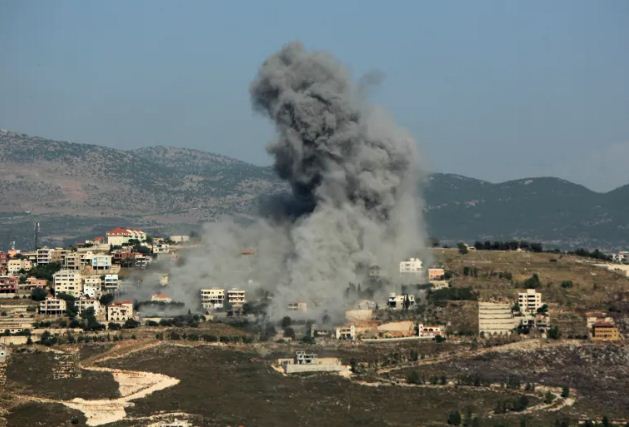
About 35 rockets and missiles fired from Lebanon struck the city of Safed in northern Israel on Thursday evening, causing fires, power cuts and property damage, the Israeli military said.

“The Israel Defence Forces (IDF) Aerial Defence Array successfully intercepted most of the launches,” the Israeli military said in a statement.

According to the country’s Magen David Adom rescue service, no deaths or injuries were reported.

A house was struck by one of the projectiles, the Merom HaGalil Regional Council said in a statement.

The Fire and Rescue Authority reported that several fires erupted and civilians were stuck in elevators due to power outages.

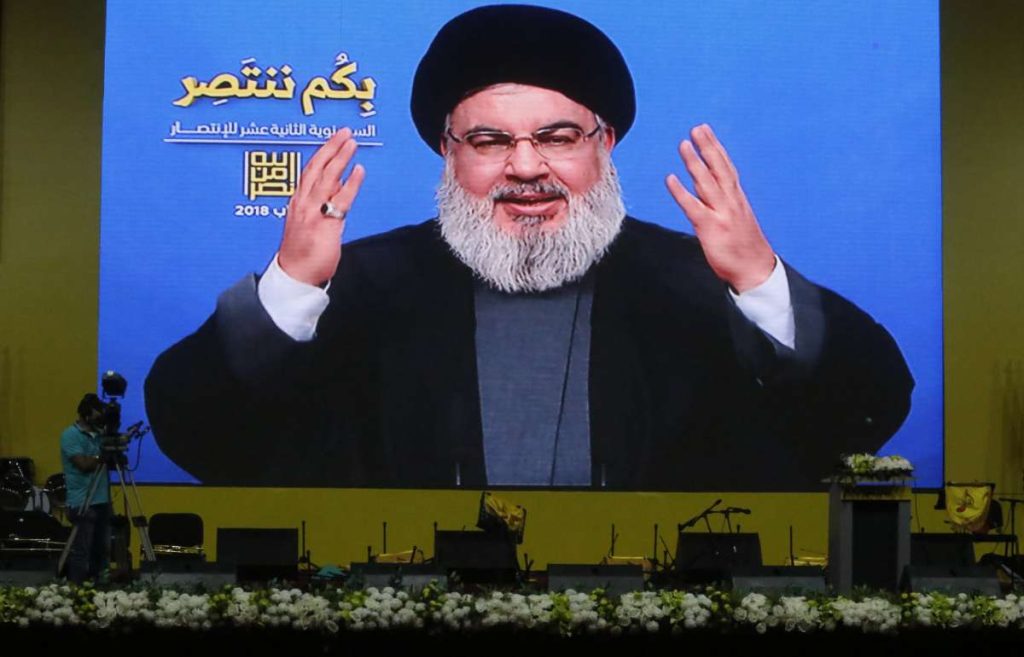
Meanwhile, the Lebanese armed group Hezbollah said in a statement that it had attacked the Israeli air base in Safed with Katyusha rockets, in response to the Israeli attacks on the city of Nabatieh in southern Lebanon and the town of Sohmor in eastern Lebanon a day earlier, Xinhua news agency reported.
Lebanese military sources told the news agency that some of the rockets were intercepted by Israeli Iron Dome missiles.

The fresh Hezbollah attacks took place amid rising tensions along the Israel-Lebanon border as Israel warned it was “ready” to launch a “full-scale” offensive against Hezbollah.

This comes at a time when US intelligence indicated a potential large-scale confrontation between Israel and Hezbollah in the next several weeks if the former and Hamas failed to reach a cease-fire deal in Gaza.

In a separate statement, the IDF said Israeli warplanes, earlier in the day, struck a Hezbollah military structure in the southern Lebanese village of Ramyah and killed two Hezbollah operatives in the village of At Tiri.

On the same day, unnamed Lebanese military sources confirmed to Xinhua that three Hezbollah members were killed and a fourth was wounded in two Israeli airstrikes on Ramyah and Haddatha.

The IDF reported that earlier on Thursday Israel Air Force (IAF) aircraft attacked in the Sakhmar region of Lebanon where they eliminated an active UAV/drone launch unit of the Hezbollah air unit that had carried out launches into Israel earlier.

In addition, IAF fighter jets attacked military buildings of the terrorist organisation Hezbollah in the areas of Hula and Aitaroun in southern Lebanon.

At the same time, the IDF forces fired artillery into the areas of Wadi Hamoula and near Naqoura, both in southern Lebanon.

In addition, on Wednesday night, terrorist infrastructures of the Hezbollah organization were attacked in the areas of Odaisseh and Al-Khiam in Lebanon.

Tensions have been rising along the Lebanon-Israel border since October 8, 2023, following a rocket barrage launched by Hezbollah toward Israel to show its support for the surprise attack on southern Israel launched by Hamas militants in the Gaza Strip the day before.

Earlier, A UN official warned the Security Council of a deepening crisis in Gaza and the West Bank.

During a Security Council briefing, UN Special Coordinator for the Middle East Peace Process Tor Wennesland described the “catastrophic and horrifying” humanitarian crisis in Gaza, where civilians suffer under the impact of hostilities and a near-total breakdown of civil order, reports Xinhua news agency.

He reiterated the Secretary-General’s warning that further escalations “will only guarantee more suffering and potentially catastrophic consequences for the region.”

Wennesland condemned the ongoing Israeli settlement expansions as having “no legal validity” and being in “flagrant violation of international law and relevant UN resolutions.”

“I urge the Government of Israel to cease all settlement activity immediately,” Wennesland stated.

The UN official also condemned the use of explosive weapons in populated areas, which have destroyed neighbourhoods and vital infrastructure, including hospitals and UN premises.

Wennesland noted the increase in violence between Palestinians and Israeli forces and attacks by both Israeli settlers and Palestinians, emphasising that “all perpetrators of violence must be held accountable and swiftly brought to justice.”

He also expressed serious concerns over potential military escalations between Israel and Hezbollah along the Blue Line, the boundary separating Lebanese and Israeli armed forces.

Additionally, Wennesland addressed the Palestinian Authority’s fiscal crisis, exacerbated by Israeli financial constraints. He warned of severe repercussions for the Palestinian financial system, urging immediate action to resolve these financial issues to mitigate the economic and security situation in the occupied West Bank.

ALSO READ: Israeli forces pound north and south Gaza

ALSO READ: US maintains pause on Israel munitions delivery

Previous Story

Modi urged to further extend connectivity with Bangladesh

Next Story

MBZUAI welcomes largest-ever cohort to AI internship

Previous Story

Modi urged to further extend connectivity with Bangladesh

Next Story

MBZUAI welcomes largest-ever cohort to AI internship

Latest from -Top News

Pakistan Risks Overstretching Itself in Yemen War

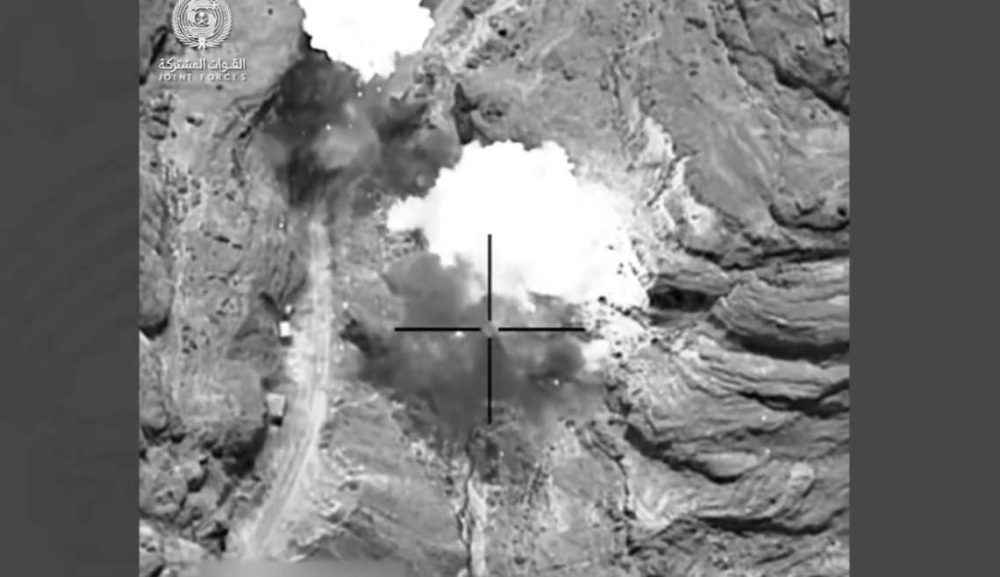
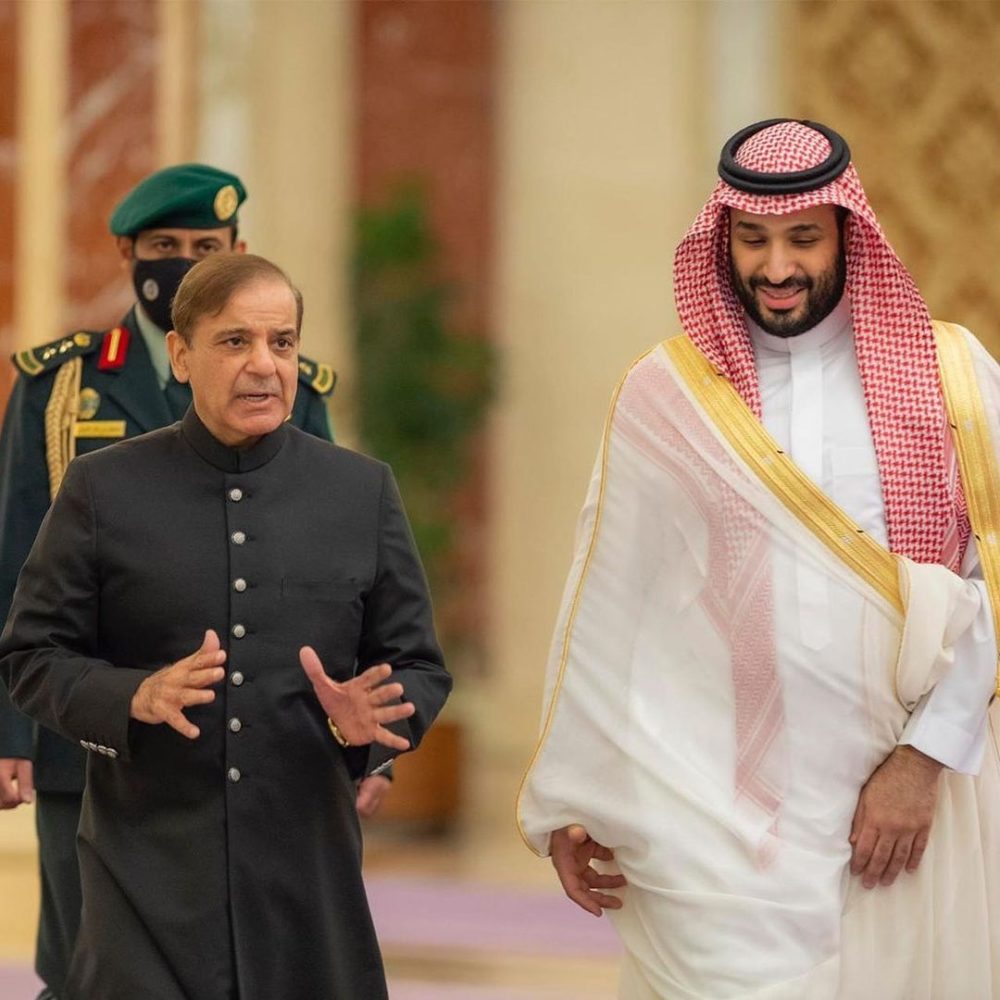
Pakistan’s expanding military role in Saudi Arabia amid the Yemen conflict could strain its defence resources and fragile finances…reports Asian Lite News Desk Pakistan’s military involvement in the war in Yemen may prove unsustainable because of mounting financial pressures and competing security demands, according to a new report. Islamabad’s growing military presence in Saudi Arabia risks stretching its defence resources while exposing the country to greater strategic and economic challenges. An article by Andrew Wilson in One World Outlook describes Pakistan’s involvement as a case of “fiscal and strategic overreach”, arguing that the country lacks the financial flexibility to sustain an expanded military commitment. Pakistan’s external finances depend heavily on an International Monetary Fund (IMF) programme, financial support from Gulf countries and remittances from Pakistani workers in the region. The report argues that deeper military involvement in the conflict could place additional pressure on these sources of financial stability. It also warns that deploying troops and military equipment abroad could weaken Pakistan’s capacity to address security challenges along its eastern border and deal with two domestic insurgencies. The move could also draw Islamabad into a conflict it has sought to approach cautiously. A Reuters report in May, citing Pakistani security and government sources, said Islamabad had deployed around 8,000 troops, a squadron of approximately 16 aircraft, mostly JF-17 fighter jets, two drone squadrons and a Chinese HQ-9 air-defence battery to Saudi Arabia. According to those sources, Riyadh was financing the deployment, with Pakistani personnel operating the equipment. The sources also said a confidential agreement contemplated the possibility of deploying up to 80,000 troops. Islamabad has not confirmed those figures, although it has acknowledged its military presence in Saudi Arabia, including the deployment of fighter jets at King Abdulaziz Air Base from April. The One World Outlook article argues that Saudi financial support can cover allowances and operating expenses but cannot easily replace military equipment needed elsewhere or resolve the political and strategic challenges of participating in the Yemen conflict. Pakistan’s defence budget is another concern. For the 2026-27 financial year, the federal government allocated PKR 3 trillion, or approximately $10.8 billion, to defence services. The allocation represents an 18 per cent increase from the original PKR 2.55 trillion provision and amounts to around 2.1 per cent of projected gross domestic product (GDP). Defence spending accounts for approximately 16 per cent of the federal government’s PKR 18.8 trillion expenditure. Military pensions are budgeted separately at PKR 822 billion, while debt servicing costs stand at approximately PKR 8 trillion, more than two-and-a-half times the defence allocation. The report argues that these competing financial obligations leave little room for additional military expenditure without placing further pressure on public finances. Pakistan’s reliance on IMF assistance also limits its fiscal flexibility. The country must meet the conditions attached to the programme, including a primary budget surplus target of 2 per cent of GDP and continued restraint on development spending. According to the article, these requirements make it difficult for Islamabad to finance an additional military commitment without compromising other budgetary priorities. Pakistan’s economic indicators offer limited reassurance. Economic growth for the 2025-26 financial year is estimated at between 3.6 and 3.7 per cent, while inflation reached approximately 10.3 per cent in September following an energy price shock. Foreign exchange reserves stood at around $21.5 billion at the end of September. Although this marks an improvement from the low levels recorded in 2023, the report notes that the reserves cover only a few months of imports. Financial assistance from Gulf partners remains central to Pakistan’s external stability. The article says Islamabad holds approximately $8 billion in Saudi deposits at its central bank. In July, the State Bank of Pakistan said Riyadh had extended the maturity of $5 billion in deposits to December 2028, easing the country’s immediate external financing requirements. A further $3 billion deposit was also extended in the spring. However, the article argues that these arrangements provide temporary relief rather than long-term financial independence, particularly as regional conflict threatens the stability of the Gulf economies on which Pakistan relies. The report concludes that Pakistan faces a difficult balance between supporting Saudi Arabia militarily and preserving the financial and military resources needed to address its domestic and regional challenges.
Go toTop

Don't Miss

Modi’s Leadership Wins Israel’s Praise

Reuven Azar, Israel’s Ambassador to India called India “a rising

Biden issues order targeting violent Israeli settlers  

David Chai Chasdai, Einan Tanjil, Shalom Zicherman, and Yinon Levi