June 11, 2024
4 mins read

Sharjah shines in global startup ecosystem rankings

GSER highlights strengths of Sharjah’s startup ecosystem in Cleantech, Digital & Creative Industries, as well as Edtech….reports Asian Lite News

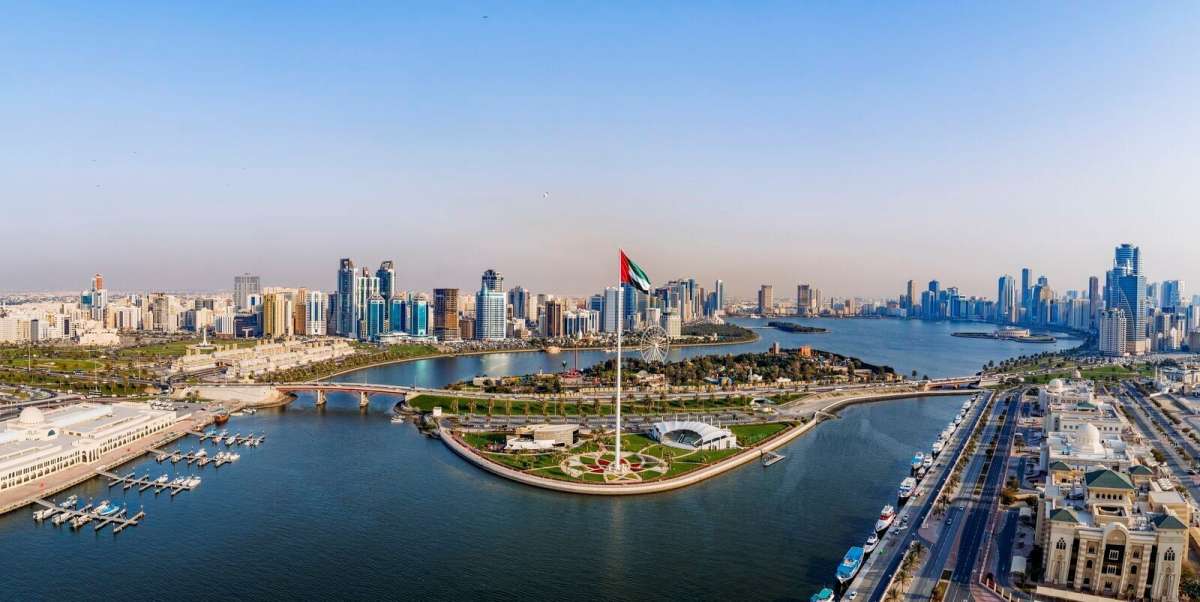
Sharjah’s status as an entrepreneurial haven has been reaffirmed after the 2024 Global Startup Ecosystem Report (GSER) revealed the emirate being 4th in the GCC, and 7th in the MENA region’s startup ecosystem rankings.

The Startup Genome and Global Entrepreneurship Network standings, announced at London Tech Week, put Sharjah two spots higher than in 2023 due to the emirate’s growing influence and competitiveness in the international startup scene.

Sheikha Bodour Bint Sultan Al Qasimi, Chairperson of Sheraa, Sharjah’s flagship start-up incubator, said, ‘Ranking 4th in the GCC region and 7th in the MENA startup ecosystem shows that Sharjah’s strategic focus on entrepreneurialism is working — and it’s getting noticed. Our startup ecosystem is investor- and business-friendly, committed to nurturing innovation, and it’s a dynamic global hub where forward-thinking minds converge. We’re on the right track, and this step forward strengthens our resolve to empower entrepreneurs in Sharjah and drive sustainable economic development in the region and beyond.”

The report highlights the strengths of Sharjah’s startup ecosystem in specific sectors, including Cleantech, Digital & Creative Industries, as well as Edtech, which have shown a high density of talent, support resources, and startup activity.

Sharjah’s strong performance is further evidenced by its rankings in various categories including #5 in ‘Bang for Buck’, indicating the amount of runway tech startups acquire, on average, from a VC round; #6 in Funding, measuring innovation through early-stage funding and investor activity; and #7 in Market Reach, tracking global leading companies, local market reach, and global connectedness.

Sharjah also features in the Top 15 rankings for both the Knowledge and Performance categories. The Knowledge category assesses innovation through research and patent activity, while the Performance category evaluates the size and success of an ecosystem based on the tech startup value generated from exits and funding.

Sharjah’s success is attributed to factors such as the emirate’s strategic location, the incredible $1.5 billion annual investment in education, its six Free Zones and 33 industrial zones, as well as the Sharjah Investors Services Centre (SAEED), which helps investors and entrepreneurs set up their business in the emirate.

Commenting on the announcement, Sheraa’s Vice Chairperson, Najla Al Midfa said, “Sharjah’s rise to the 4th in the GCC and 7th best ecosystem in MENA reflects our unwavering commitment to harnessing the transformative power of entrepreneurship. By nurturing homegrown talent and ventures, and partnering with stakeholders across the ecosystem, we have cultivated a founder-focused environment where innovative early-stage ventures thrive with access to essential talent, capital, and markets. As we look ahead, we are excited to scale our impact by further enhancing our startup’s offerings and driving growth in key sectors such as sustainability, edtech, advanced manufacturing, and the creative industries.”

The GSER, a comprehensive analysis drawing data from over 4.5 million companies across 300+ entrepreneurial innovation ecosystems globally, provides a detailed evaluation of the top startup hubs worldwide and regionally. Sharjah’s rise to the 7th position, two places above their standings in 2023, underscores the emirate’s dedication to nurturing a competitive and progressive startup ecosystem, as well as Sharjah Entrepreneurship Centre’s (Sheraa) contributions to this success.

Having completed an incredible 8-year journey, Sheraa’s ecosystem today boasts a thriving community of over 500 founders and over 18,000 entrepreneurial youth. Sheraa’s inclusive entrepreneurial journey, which offers talent and capability building, world-class mentoring, start-up incubation and wide-ranging market access, has empowered over 180 startups who have an impressive 71 percent survival rate and have created over 1,900 jobs. These Sheraa-supported start-ups have raised over $171MM in capital and generated $248MM in revenue.

Moreover, Sheraa’s flagship event, the Sharjah Entrepreneurship Festival (SEF), is one of the region’s leading celebrations of entrepreneurial passion and ingenuity and has drawn 30,000+ global attendees since 2017.

In collating the data, Sheraa provided invaluable support, collaborating closely with Startup Genome to spotlight the emirate’s entrepreneurial ecosystem in the anticipated report. This strategic partnership proved to be instrumental in showcasing Sharjah’s strengths and positioning it on the global map as a premier destination for talent, startups, and investors alike.

With its impressive ranking, rapidly growing Ecosystem Value, and sectoral strengths, Sharjah has firmly established itself as a rising star in the MENA startup scene. This achievement sets the stage for continued success and innovation, as the emirate solidifies its reputation as a regional hub for entrepreneurial excellence, with Sheraa playing a noteworthy role in this trajectory.

ALSO READ: BRICS Decries Gaza Violence
Previous Story

AI Retreat 2024: Leaders convene in Dubai

Next Story

Musk threatens to ban iPhones over Apple-OpenAI deal

Previous Story

AI Retreat 2024: Leaders convene in Dubai

Next Story

Musk threatens to ban iPhones over Apple-OpenAI deal

Latest from -Top News

Pakistan Risks Overstretching Itself in Yemen War

Pakistan’s expanding military role in Saudi Arabia amid the Yemen conflict could strain its defence resources and fragile finances…reports Asian Lite News Desk Pakistan’s military involvement in the war in Yemen may prove unsustainable because of mounting financial pressures and competing security demands, according to a new report. Islamabad’s growing military presence in Saudi Arabia risks stretching its defence resources while exposing the country to greater strategic and economic challenges. An article by Andrew Wilson in One World Outlook describes Pakistan’s involvement as a case of “fiscal and strategic overreach”, arguing that the country lacks the financial flexibility to sustain an expanded military commitment. Pakistan’s external finances depend heavily on an International Monetary Fund (IMF) programme, financial support from Gulf countries and remittances from Pakistani workers in the region. The report argues that deeper military involvement in the conflict could place additional pressure on these sources of financial stability. It also warns that deploying troops and military equipment abroad could weaken Pakistan’s capacity to address security challenges along its eastern border and deal with two domestic insurgencies. The move could also draw Islamabad into a conflict it has sought to approach cautiously. A Reuters report in May, citing Pakistani security and government sources, said Islamabad had deployed around 8,000 troops, a squadron of approximately 16 aircraft, mostly JF-17 fighter jets, two drone squadrons and a Chinese HQ-9 air-defence battery to Saudi Arabia. According to those sources, Riyadh was financing the deployment, with Pakistani personnel operating the equipment. The sources also said a confidential agreement contemplated the possibility of deploying up to 80,000 troops. Islamabad has not confirmed those figures, although it has acknowledged its military presence in Saudi Arabia, including the deployment of fighter jets at King Abdulaziz Air Base from April. The One World Outlook article argues that Saudi financial support can cover allowances and operating expenses but cannot easily replace military equipment needed elsewhere or resolve the political and strategic challenges of participating in the Yemen conflict. Pakistan’s defence budget is another concern. For the 2026-27 financial year, the federal government allocated PKR 3 trillion, or approximately $10.8 billion, to defence services. The allocation represents an 18 per cent increase from the original PKR 2.55 trillion provision and amounts to around 2.1 per cent of projected gross domestic product (GDP). Defence spending accounts for approximately 16 per cent of the federal government’s PKR 18.8 trillion expenditure. Military pensions are budgeted separately at PKR 822 billion, while debt servicing costs stand at approximately PKR 8 trillion, more than two-and-a-half times the defence allocation. The report argues that these competing financial obligations leave little room for additional military expenditure without placing further pressure on public finances. Pakistan’s reliance on IMF assistance also limits its fiscal flexibility. The country must meet the conditions attached to the programme, including a primary budget surplus target of 2 per cent of GDP and continued restraint on development spending. According to the article, these requirements make it difficult for Islamabad to finance an additional military commitment without compromising other budgetary priorities. Pakistan’s economic indicators offer limited reassurance. Economic growth for the 2025-26 financial year is estimated at between 3.6 and 3.7 per cent, while inflation reached approximately 10.3 per cent in September following an energy price shock. Foreign exchange reserves stood at around $21.5 billion at the end of September. Although this marks an improvement from the low levels recorded in 2023, the report notes that the reserves cover only a few months of imports. Financial assistance from Gulf partners remains central to Pakistan’s external stability. The article says Islamabad holds approximately $8 billion in Saudi deposits at its central bank. In July, the State Bank of Pakistan said Riyadh had extended the maturity of $5 billion in deposits to December 2028, easing the country’s immediate external financing requirements. A further $3 billion deposit was also extended in the spring. However, the article argues that these arrangements provide temporary relief rather than long-term financial independence, particularly as regional conflict threatens the stability of the Gulf economies on which Pakistan relies. The report concludes that Pakistan faces a difficult balance between supporting Saudi Arabia militarily and preserving the financial and military resources needed to address its domestic and regional challenges.

UK and Germany Ratify Kensington Treaty

Britain and Germany ratify the Kensington Treaty, agreeing new cooperation on AI, quantum research, defence and security while targeting investment, jobs and Russian hybrid threats…reports Asian Lite News Desk Britain and Germany

Economic tide is turning in Bangladesh

If there is one thing that can bring some comfort to the struggling Bangladeshi economy, it is good relations with India. Bangladesh should remember that Delhi’s backing, through easy supplies of essentials
Go toTop

Don't Miss

‘Saba Sanabel’ flour boasting the highest protein content

Saba Sanabel flour is grown using a chemical-free process and

Explore region’s history at Mleiha Museum

The Museum experience at Sharjah’s Mleiha Archaeological Centre is such