May 20, 2024
4 mins read

UAE leaders condole demise of Raisi

“The UAE stands in solidarity with Iran at this difficult time,” President His Highness Sheikh Mohamed bin Zayed Al Nahyan said…reports Asian Lite News

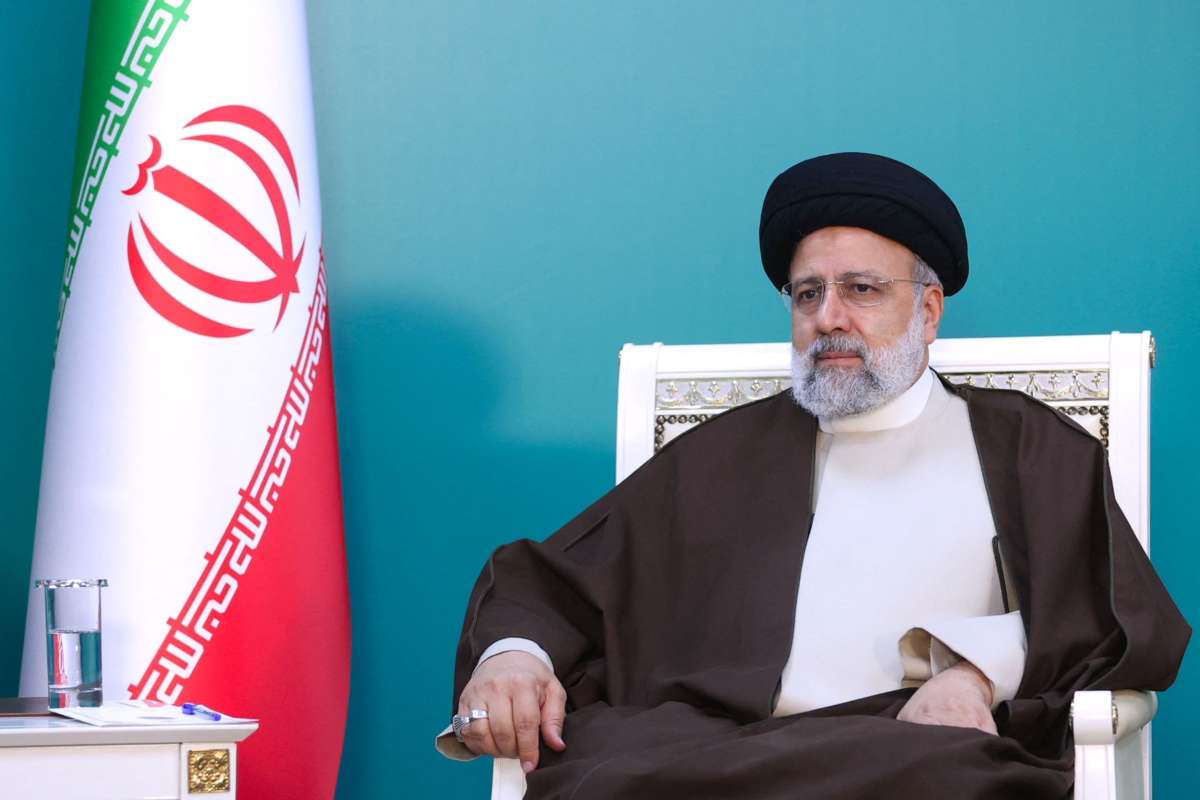
UAE leaders President His Highness Sheikh Mohamed bin Zayed Al Nahyan and H.H. Shiekh Mohammed bin Rashid Al Maktoum, Vice President and Prime Minister of UAE, have condoled the tragic demise of President of Islamic Republic of Iran Ebrahim Raisi and his Foreign Minister Hossein Amir-Abdollahian.

President Raisi, Foreign Minister Amir-Abdollahian and the accompanying delegation died in a helicopter crash on Sunday, Iran’s Mehr News Agency reported. The helicopter crashed while returning from the Khoda Afarin region to Tabriz amid poor weather conditions, making it difficult to locate the crash site and hindered rescue operations.

“I extend my deepest condolences to the Iranian government and people over the passing of President Ebrahim Raisi, Foreign Minister Hossein Amir-Abdollahian, and those accompanying them following a tragic accident. We pray that God grants them eternal rest and we extend our heartfelt sympathies to their families,” President Sheikh Mohamed posted on social media.

“The UAE stands in solidarity with Iran at this difficult time,” he added.

H.H. Sheikh Mohammed bin Rashid said: “Our condolences and sincere sympathies to the brotherly Iranian people and their leadership on the death of Iranian President Ebrahim Raisi and his Foreign Minister in a painful accident. Our hearts are with you in this difficult time. Our prayers are that God will cover them with His vast mercy and dwell them in His spacious Paradise.”
World leaders extend condolences

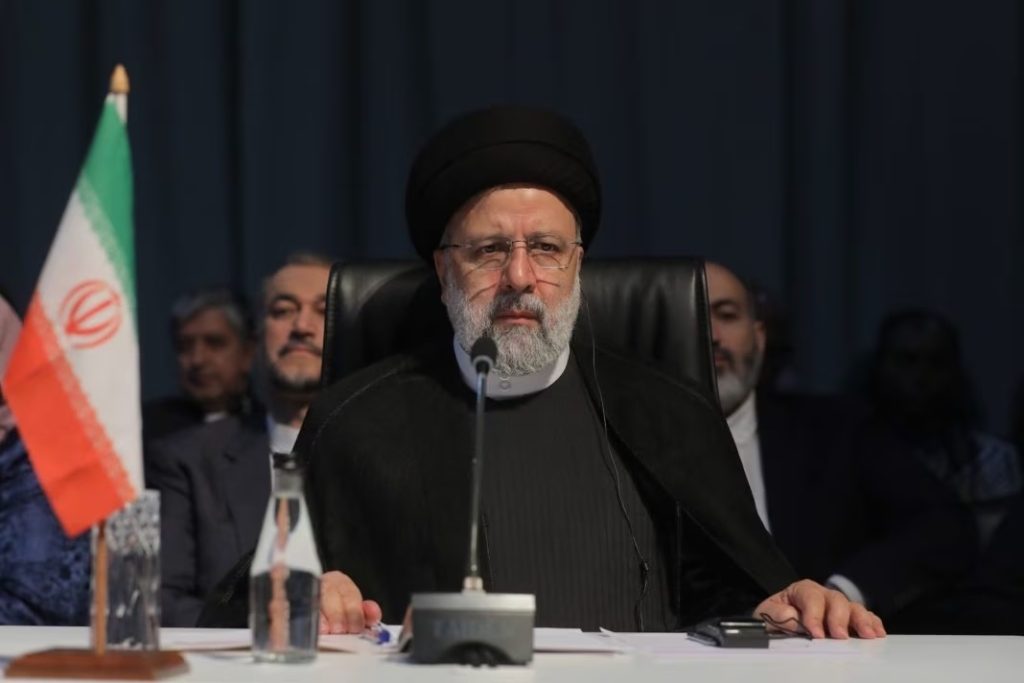
Following the tragic death of Iranian President Ebrahim Raisi in a helicopter crash, world leaders offered their condolences on Monday to Raisi, the Iranian Foreign Minister and other officials who were on board.

Pakistani Prime Minister Shehbaz Sharif announced that the country will observe a one-day of mourning and the flag will fly at half mast as a mark of respect for President Raisi and his companions.

Shehbaz Sharif offered his condolences and said, “Had been anxiously following developments regarding the reported crash landing of President Raisi’s helicopter. Was hoping for good news. Alas, this was not to be. I, along with the government and people of Pakistan extend our deepest condolences and sympathies to the Iranian nation on this terrible loss. May the martyred souls rest in heavenly peace. The great Iranian nation will overcome this tragedy with customary courage.”

Calling Pakistan and Iran “good friends”, the Pakistan PM recalled that Pakistan hosted President Raisi and Foreign Minister Hossein Amir Abdollahian less than a month ago.

“Pakistan had the pleasure of hosting President Raisi and Foreign Minister Hossein Amir Abdollahian on a historic visit, less than a month ago. They were good friends of Pakistan. Pakistan will observe a day of mourning and the flag will fly at half mast as a mark of respect for President Raisi and his companions and in solidarity with Brotherly Iran,” he added in a post shared on X.

Former Iranian Foreign Minister Mohammad Javad Zarif Khansari also posted a message of condolences and expressed his condolences on the “martyrdom” of his successor, Hossein Amirabdollahian, along with President Raisi.

Zarif described Amirabdollahian as “my dear brother”, and in a post shared on Instagram, Zarif wrote that the news of the accident was “painful.”

“I wish God’s pleasure for the martyrs, peace and patience for the survivors, and solidarity and progress for the Iranian people,” he said.

Qatar’s Emir Tamim bin Hamad Al Thani also offered sincere condolences to the Iranian government and the people of Iran.

“Sincere condolences to the government and people of the Islamic Republic of Iran on the death of President Ebrahim Raisi, Foreign Minister Hossein Amir Abdollahian, and the accompanying officials in the painful helicopter accident, asking God Almighty for mercy and forgiveness for them and for their families with patience and solace. We belong to Allah and to Him we shall return,” Qatar’s Emir posted on X.

Meanwhile, Iraqi PM Mohammed Shia’ Al Sudani expressed solidarity with Iran during this painful tragedy, reported Al Jazeera.

The Venezuelan president, Nicolas Maduro, has expressed condolences to Iran and its Supreme Leader, Ali Khamenei, saying that Raisi was an “unconditional friend” of Venezuela.

“A heartfelt hug from the Bolivarian Republic of Venezuela. You, Iran, are an example of dignity, morality and resistance,” Maduro wrote in a social media post.

ALSO READ: Modi condoles demise of Iran’s President Raisi

Previous Story

Lai Ching-te Sworn in as Taiwan’s President

Next Story

VP Mokhber to take over as interim President of Iran

Previous Story

Lai Ching-te Sworn in as Taiwan’s President

Next Story

VP Mokhber to take over as interim President of Iran

Latest from -Top News

Pakistan Risks Overstretching Itself in Yemen War

Pakistan’s expanding military role in Saudi Arabia amid the Yemen conflict could strain its defence resources and fragile finances…reports Asian Lite News Desk Pakistan’s military involvement in the war in Yemen may prove unsustainable because of mounting financial pressures and competing security demands, according to a new report. Islamabad’s growing military presence in Saudi Arabia risks stretching its defence resources while exposing the country to greater strategic and economic challenges. An article by Andrew Wilson in One World Outlook describes Pakistan’s involvement as a case of “fiscal and strategic overreach”, arguing that the country lacks the financial flexibility to sustain an expanded military commitment. Pakistan’s external finances depend heavily on an International Monetary Fund (IMF) programme, financial support from Gulf countries and remittances from Pakistani workers in the region. The report argues that deeper military involvement in the conflict could place additional pressure on these sources of financial stability. It also warns that deploying troops and military equipment abroad could weaken Pakistan’s capacity to address security challenges along its eastern border and deal with two domestic insurgencies. The move could also draw Islamabad into a conflict it has sought to approach cautiously. A Reuters report in May, citing Pakistani security and government sources, said Islamabad had deployed around 8,000 troops, a squadron of approximately 16 aircraft, mostly JF-17 fighter jets, two drone squadrons and a Chinese HQ-9 air-defence battery to Saudi Arabia. According to those sources, Riyadh was financing the deployment, with Pakistani personnel operating the equipment. The sources also said a confidential agreement contemplated the possibility of deploying up to 80,000 troops. Islamabad has not confirmed those figures, although it has acknowledged its military presence in Saudi Arabia, including the deployment of fighter jets at King Abdulaziz Air Base from April. The One World Outlook article argues that Saudi financial support can cover allowances and operating expenses but cannot easily replace military equipment needed elsewhere or resolve the political and strategic challenges of participating in the Yemen conflict. Pakistan’s defence budget is another concern. For the 2026-27 financial year, the federal government allocated PKR 3 trillion, or approximately $10.8 billion, to defence services. The allocation represents an 18 per cent increase from the original PKR 2.55 trillion provision and amounts to around 2.1 per cent of projected gross domestic product (GDP). Defence spending accounts for approximately 16 per cent of the federal government’s PKR 18.8 trillion expenditure. Military pensions are budgeted separately at PKR 822 billion, while debt servicing costs stand at approximately PKR 8 trillion, more than two-and-a-half times the defence allocation. The report argues that these competing financial obligations leave little room for additional military expenditure without placing further pressure on public finances. Pakistan’s reliance on IMF assistance also limits its fiscal flexibility. The country must meet the conditions attached to the programme, including a primary budget surplus target of 2 per cent of GDP and continued restraint on development spending. According to the article, these requirements make it difficult for Islamabad to finance an additional military commitment without compromising other budgetary priorities. Pakistan’s economic indicators offer limited reassurance. Economic growth for the 2025-26 financial year is estimated at between 3.6 and 3.7 per cent, while inflation reached approximately 10.3 per cent in September following an energy price shock. Foreign exchange reserves stood at around $21.5 billion at the end of September. Although this marks an improvement from the low levels recorded in 2023, the report notes that the reserves cover only a few months of imports. Financial assistance from Gulf partners remains central to Pakistan’s external stability. The article says Islamabad holds approximately $8 billion in Saudi deposits at its central bank. In July, the State Bank of Pakistan said Riyadh had extended the maturity of $5 billion in deposits to December 2028, easing the country’s immediate external financing requirements. A further $3 billion deposit was also extended in the spring. However, the article argues that these arrangements provide temporary relief rather than long-term financial independence, particularly as regional conflict threatens the stability of the Gulf economies on which Pakistan relies. The report concludes that Pakistan faces a difficult balance between supporting Saudi Arabia militarily and preserving the financial and military resources needed to address its domestic and regional challenges.

UK and Germany Ratify Kensington Treaty

Britain and Germany ratify the Kensington Treaty, agreeing new cooperation on AI, quantum research, defence and security while targeting investment, jobs and Russian hybrid threats…reports Asian Lite News Desk Britain and Germany

Economic tide is turning in Bangladesh

If there is one thing that can bring some comfort to the struggling Bangladeshi economy, it is good relations with India. Bangladesh should remember that Delhi’s backing, through easy supplies of essentials
Go toTop

Don't Miss

Hamdan, Maktoum review restructuring plans

The plan has outlined eight major areas for the Municipality

Stocks Surge as Trump Halts Iran Attacks, Energy Risks Remain

Analysts said the current rally reflects expectations rather than confirmed