The Doha strike has redrawn the rules of conflict, turning mediation itself into a target. If safe spaces collapse, negotiations may vanish, leaving war unending, writes Aravind Rajeev
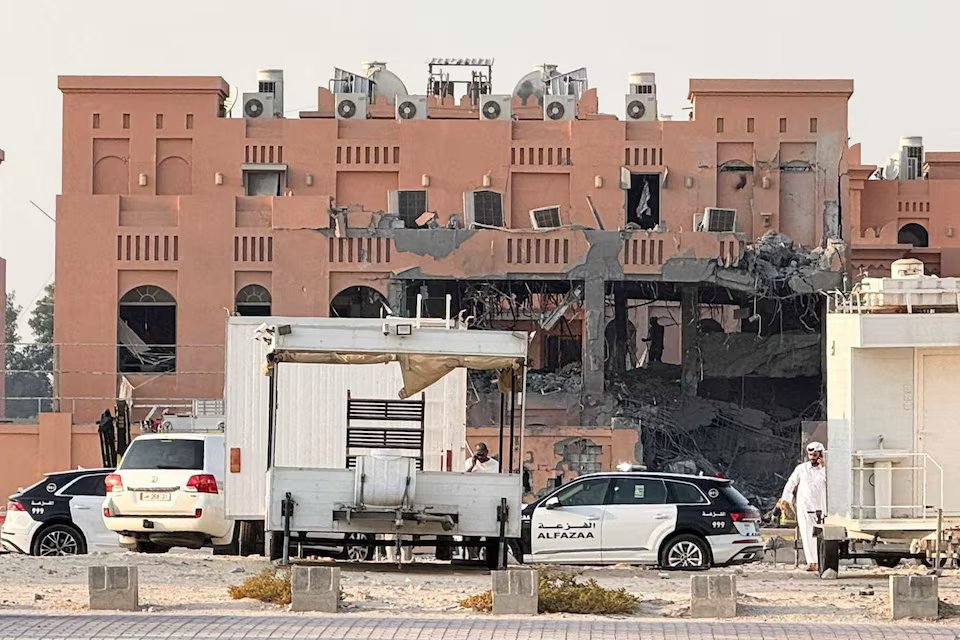
The shocking strike inside the Qatari capital has revealed a chilling trend – the weaponisation of mediation.
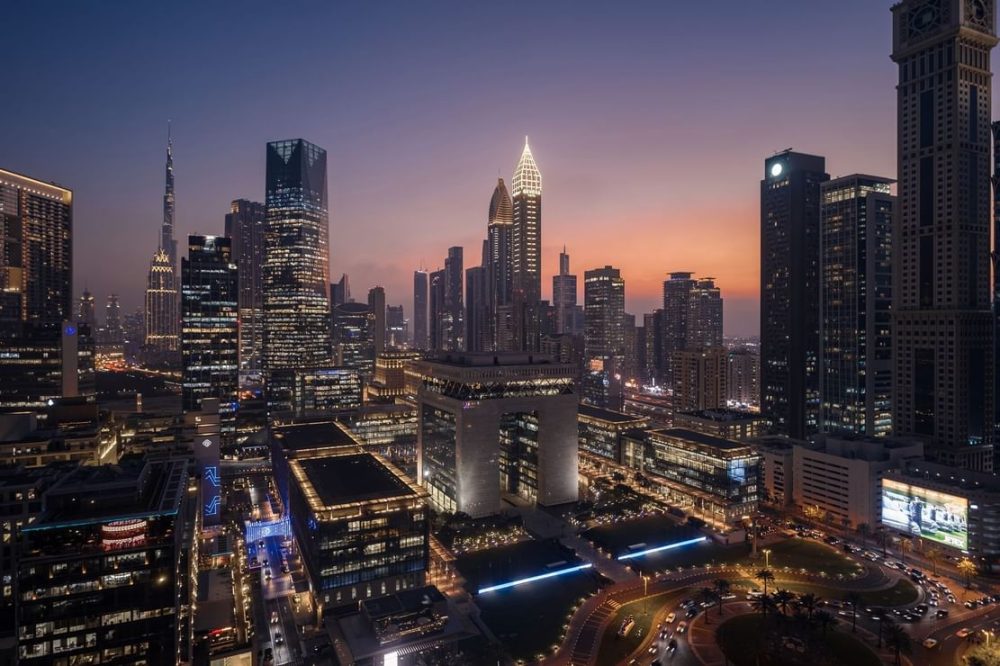
For decades, cities like Doha or Geneva have been seen as safe ground, where enemies could sit across the table, argue, and still keep alive the fragile hope of peace. By bombing a meeting in the very heart of a mediator’s capital, that line has been erased. The message is stark. Even the negotiation room can be a battlefield.
This isn’t the first time Qatar has found itself in the crossfire. Just months ago, in June this year, Iran launched missiles at the US Al Udeid Air Base near Doha in direct retaliation for American strikes on Iranian nuclear facilities.
Although most missiles were intercepted and casualties avoided, the attack shattered the sense of Qatar as a neutral, untouchable ground.
This shift carries few troubling consequences.
First, trust in mediation is shattered. If a host nation cannot guarantee safety, why would leaders or negotiators travel there? Talks risk drying up, backchannels may vanish, and with them, the faint chances of compromise.
Second, diplomacy will be forced behind barricades. Capitals that once thrived as neutral hosts may now need military-style protection. Talks could move to virtual or hidden spaces, but those lack the human trust building that only face-to-face dialogue can deliver.
Third, the strike sets a dangerous precedent. For the attacker, hitting targets in a mediator’s city looks like an efficient tactic. For the wider region, it normalises the idea that talks themselves can be bombed, fuelling cycles of revenge and proxy escalation.
The policy lesson is clear. Mediation must be defended as fiercely as territory. International law and diplomatic norms need sharper teeth. That means more than statements of outrage, it demands collective action.
If one state strikes inside a mediator’s capital, the world should respond with political costs high enough to deter the next. Security guarantees, transparent protocols, and independent investigations must become the standard.
Without this, mediators will step back, talks will shrink, and wars will roll on unchecked. Diplomacy is never perfect, but it remains the only road that leads out of a cycle of conflict.
US briefing sparks diplomatic doubts
Several details stand out as uncommon or contested in the reporting and are important for understanding the strike’s operational, legal and diplomatic reverberations.
First, there are contradictory accounts about how much the United States knew beforehand. Some reporting says US officials were warned by Israel in advance and that Washington briefed Doha only minutes after the strike.
Other accounts suggest the White House was told beforehand but that Qatar was not adequately forewarned. This discrepancy feeds questions about whether the strike exploited a narrow notification window to limit diplomatic pushback.
Also, the choice of location – Doha, a close US partner hosting major facilities such as Al Udeid air base and serving as a principal mediator between Hamas and Israel – is unusually provocative.