Pakistan is now the only South Asian country close to Bangladesh in inflation…reports Asian Lite News
An article in Bangladesh’s Prothom Alo news outlet reports that the country’s economy has stagnated due to a “deep investment downturn”. This has resulted in no new employment being created while South Asia’s highest inflation rate, exceeding 8%, is being experienced.
According to the Bangladesh Bureau of Statistics , the inflation rate in October was 8.17 per cent. In neighbouring India, the rate is 0.25 per cent. Bankruptcy-struck Sri Lanka now has inflation at 2.1 per cent.
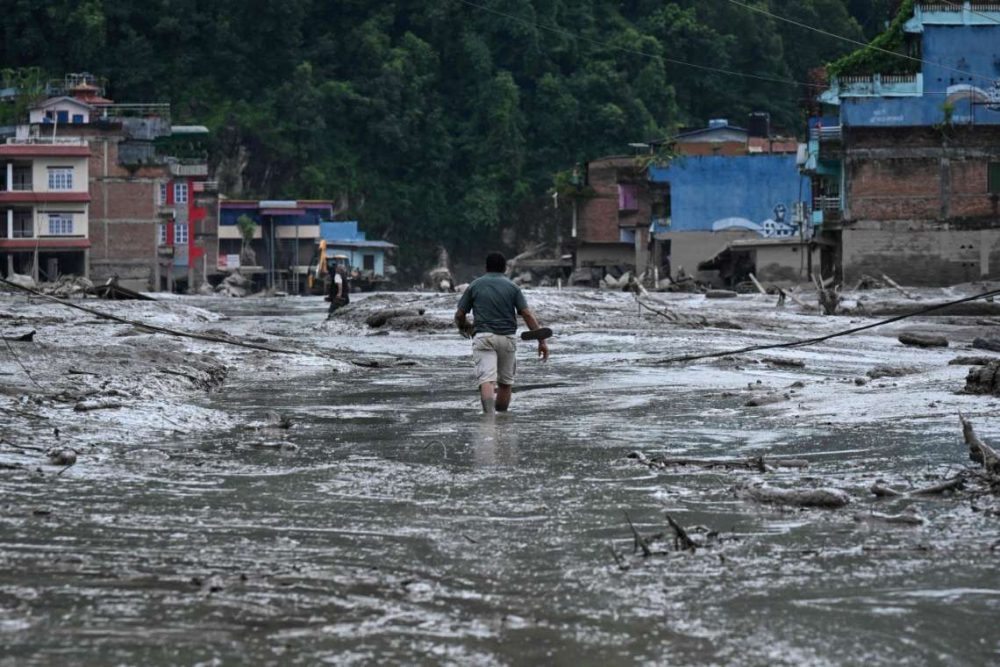
In contrast, after the fall of the KP Sharma Oli government in Nepal due to Gen-Z protests, a new interim government took office on September 12. It has already announced an election date, March 5 next year, ending uncertainty. This has brought down the inflation rate to 1.47 per cent in the Himalayan country, the article points out.
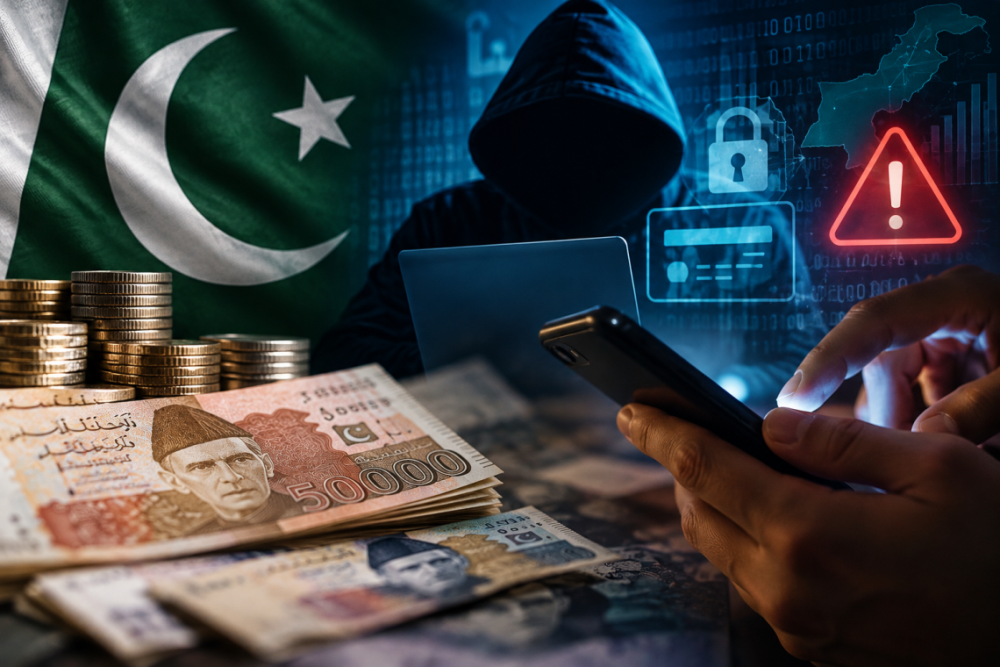
Pakistan is now the only South Asian country close to Bangladesh in inflation. Its inflation rate is 6.2 per cent. Bhutan and the Maldives have inflation rates of 3.93 per cent and 3.87 per cent, respectively.
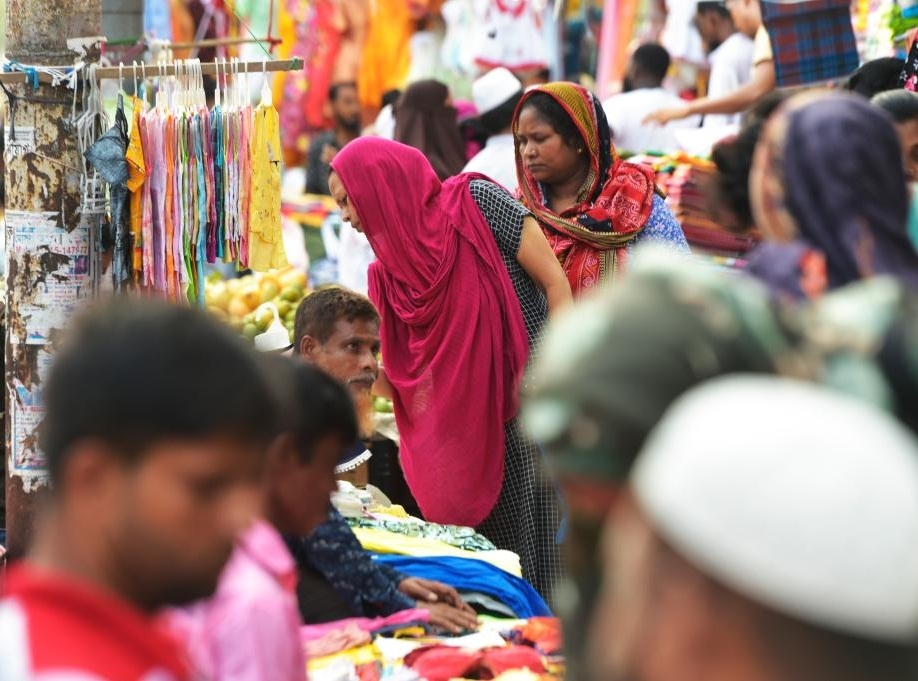
For the people of Bangladesh, this is unfortunate. Ordinary citizens have had to endure prolonged economic hardship as real income has fallen, and poverty has increased. Private surveys indicate the poverty rate is now around 28 per cent, whereas government data put it at 18.7 per cent in 2022, according to the report.
The article also highlights that large delegations are traveling abroad. Huge spending has gone into changing police uniforms. Meanwhile, people see their daily expenses rising steadily. Their incomes have not kept pace. The job market is shrinking. Many cannot withdraw deposits from banks. As a result, trust is falling. The government is not strict about law and order. Instability and uncertainty persist. Therefore, expectations of a sharp decline in inflation among the public are very low, said the article.
When the interim government took charge, year-on-year rise in government borrowing stood at 11.61 per cent. Private sector credit growth was 9.86 per cent. Now government borrowing has surged to 27.22 per cent, while private sector credit growth has fallen to 6.29 per cent.
This shows that the government is heavily borrowing from the banking system to finance its budget deficit. Government revenue is low, expenses high. In June 2023, the government recorded the highest-ever bank borrowing to finance the budget deficit—about 35 per cent. The second-highest record has now been made by the current interim government, the article added.