Municipalities across Gaza have mobilized their limited resources to clear streets and set up temporary shelters for thousands of displaced families…reports Asian Lite News
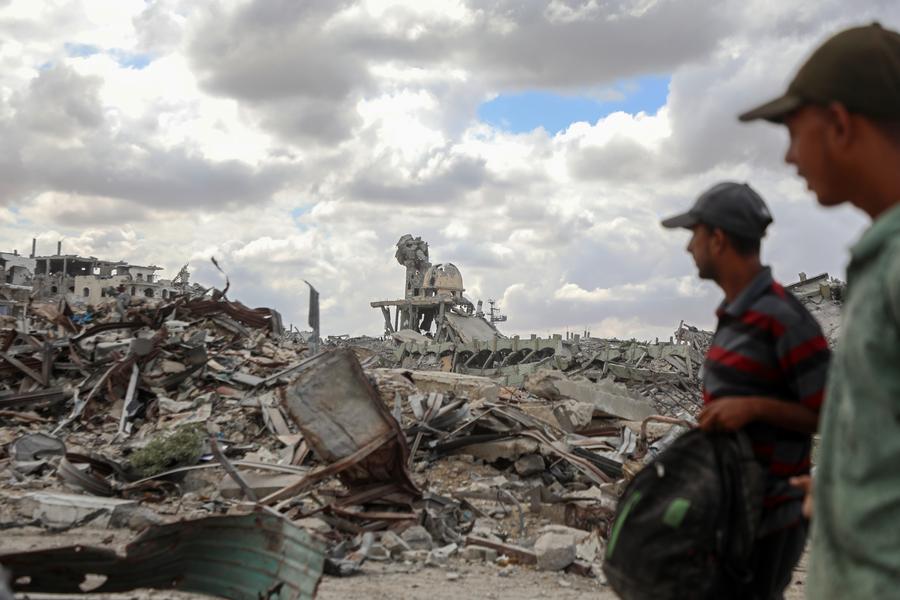
The conflict has left behind an estimated 55 to 70 million tonnes of rubble, while about 90 percent of Gaza’s infrastructure — including roads, water, sewage, and electricity networks — has been destroyed or severely damaged
Local authorities in the Gaza Strip, aided by regional countries and international agencies, have been intensifying efforts to clear rubble and reopen vital roads across the enclave, since the ceasefire between Hamas and Israel took effect on Oct. 10.
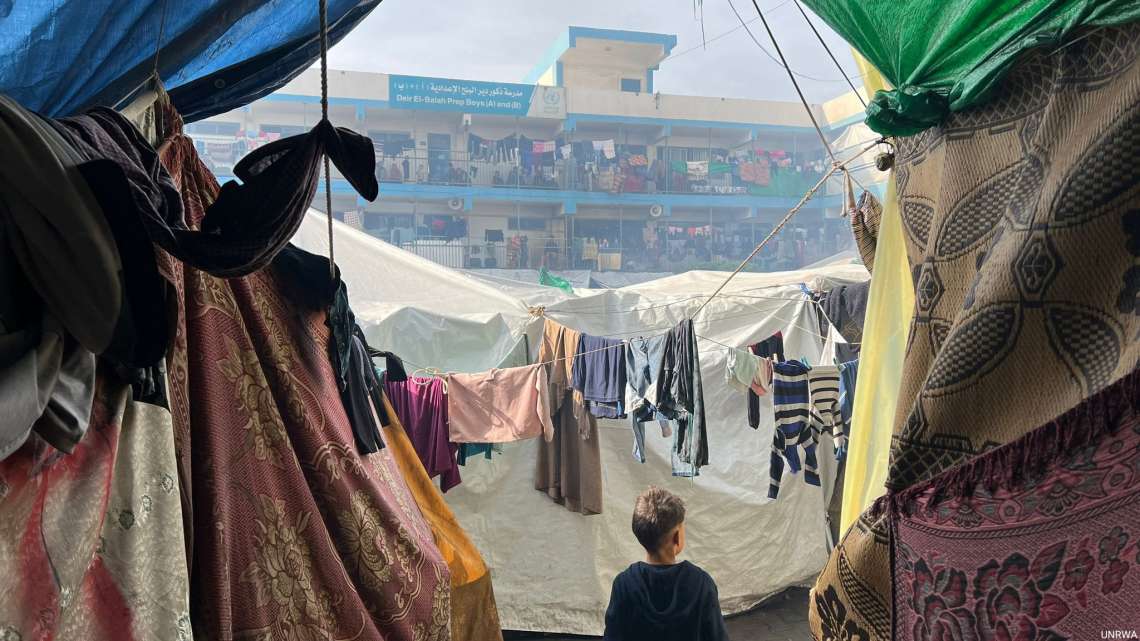
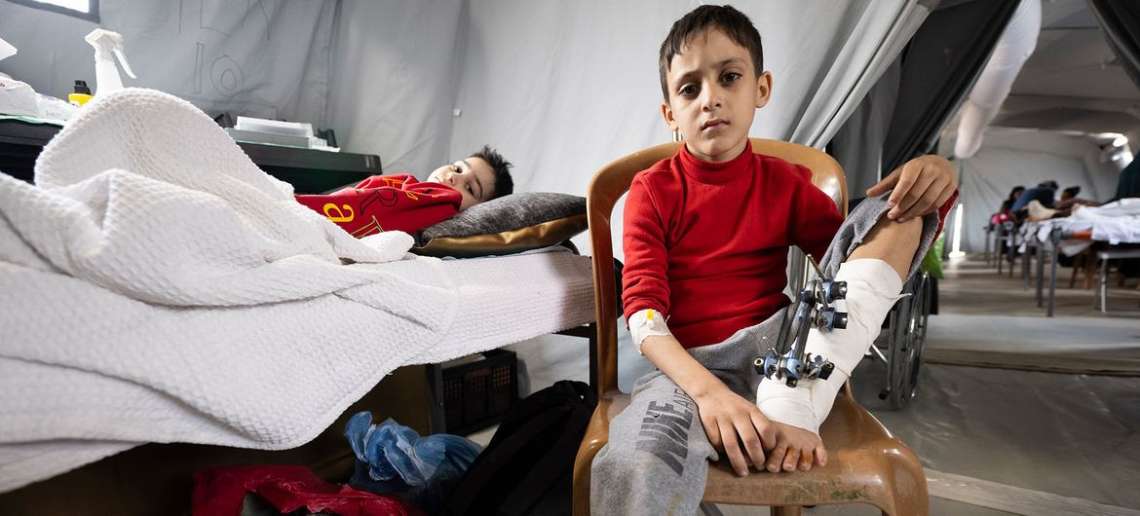
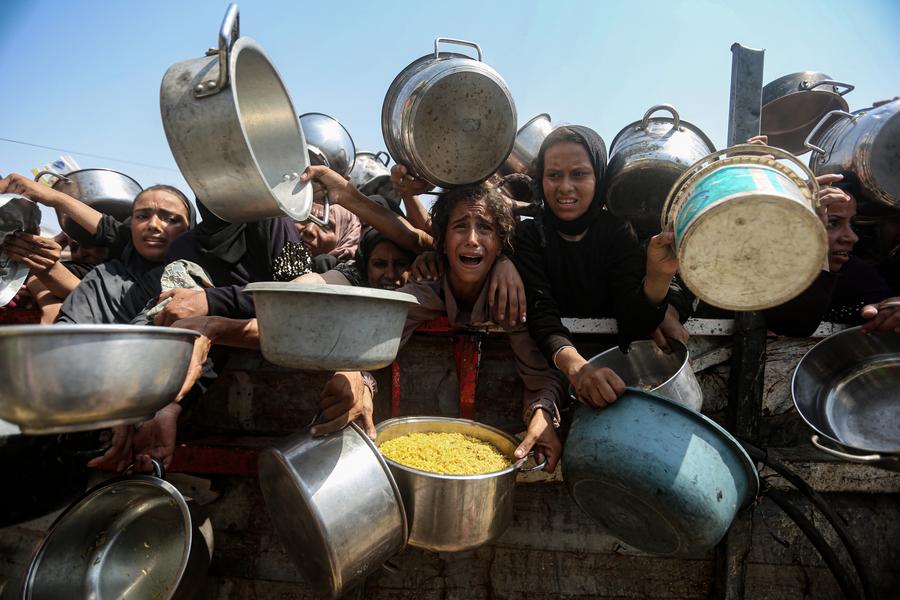
Municipalities across Gaza have mobilized their limited resources to clear streets and set up temporary shelters for thousands of displaced families, as two years of Israeli attacks have devastated much of the enclave’s infrastructure.
“There is not a street, neighbourhood, or alley in the Gaza Strip that has not been partially or completely destroyed by the Israeli war machine,” said Asem al-Nabih, spokesman for the Gaza Municipality.
He added that the conflict has left behind an estimated 55 to 70 million tonnes of rubble, while about 90 percent of Gaza’s infrastructure — including roads, water, sewage, and electricity networks — has been destroyed or severely damaged.
“From the first day of the ceasefire, we began mobilizing our limited bulldozers and equipment to clear rubble and reopen main roads. Most of our machinery was damaged or destroyed during the war, but we are doing what we can with what remains,” he added.
According to Hosni Mohana, the municipality’s public relations officer, these operations aim not only to restore transportation routes but also to prepare sites for temporary camps to shelter displaced residents before winter sets in.
“We are working under extremely difficult conditions due to severe shortages of machinery, fuel, and equipment, as well as a lack of manpower,” Mohana told Xinhua. He noted that even when equipment is available, the lack of fuel to operate it will remain a major obstacle.
He emphasized that Gaza urgently needs “broad Arab and international cooperation to supply heavy machinery, fuel, labor, and financial support to accelerate the reconstruction effort.”
In response, several international and regional partners have joined the reconstruction effort. Shortly after the ceasefire was announced, the Egyptian Relief Committee for the People of Gaza, working alongside local authorities and the United Nations Development Program (UNDP), began operations in multiple areas of Gaza City and the northern Gaza Strip.
Mohammed Mansour, spokesman for the Egyptian Committee, said the team’s work is focused on clearing rubble in the hardest-hit northern areas.
“The cleared areas will be used to establish camps for displaced families who lost their homes,” Mansour said. “We are also digging wells, reopening bakeries, and supplying water to affected neighborhoods.”
Meanwhile, the committee’s field teams in Gaza are coordinating closely with their headquarters in Cairo and the Egyptian Red Crescent to ensure the efficient delivery of relief materials.
Abdullah Hamada, a Palestinian working with the Egyptian Committee, said workers are “racing against time to establish large shelters in the Al-Tawam area, north of Gaza City, and to ensure they have access to clean water before winter begins.”
Displaced Palestinian children are seen fetching water at a temporary shelter in Deir al-Balah, in central Gaza Strip, Sept. 23, 2025. (Photo by Rizek Abdeljawad/Xinhua)
Ahmed Qasim, a displaced Gaza resident who lost his home in an Israeli airstrike, said his family has been forced to flee several times during the war.
“We have no permanent shelter and must carry water from afar because the sanitation and water networks were destroyed,” he said. “We need new infrastructure before the rains begin.”
Alongside Arab and local efforts, the UNDP has been involved in debris management and infrastructure assessment to speed up reconstruction planning.
Mohammed Maziad, UNDP’s senior technical specialist for debris management, told Xinhua that “the program’s volunteers have contributed both on the ground and online, producing an accurate work plan, detailed rubble assessments, and interactive dashboards for donors.”
According to Maziad, the cooperation between the Egyptian Committee, UNDP, and local municipalities has established a more organized framework for rubble removal and coordination of relief efforts.