Far from being a routine court decision, Lai’s conviction has become a global flashpoint—one that has laid bare the growing disquiet over China’s authoritarian reach and the hollowing out of promises once made to the world, writes Dileep Sharma
The conviction of Hong Kong media tycoon Jimmy Lai under Beijing’s sweeping national security law has triggered a wave of international condemnation that is as striking for its breadth as for its intensity.
From London to Brussels, from Taipei to parliamentary chambers across continents, governments and lawmakers have denounced the ruling as politically motivated and emblematic of the systematic dismantling of Hong Kong’s rule of law.
Far from being a routine court decision, Lai’s conviction has become a global flashpoint—one that has laid bare the growing disquiet over China’s authoritarian reach and the hollowing out of promises once made to the world.
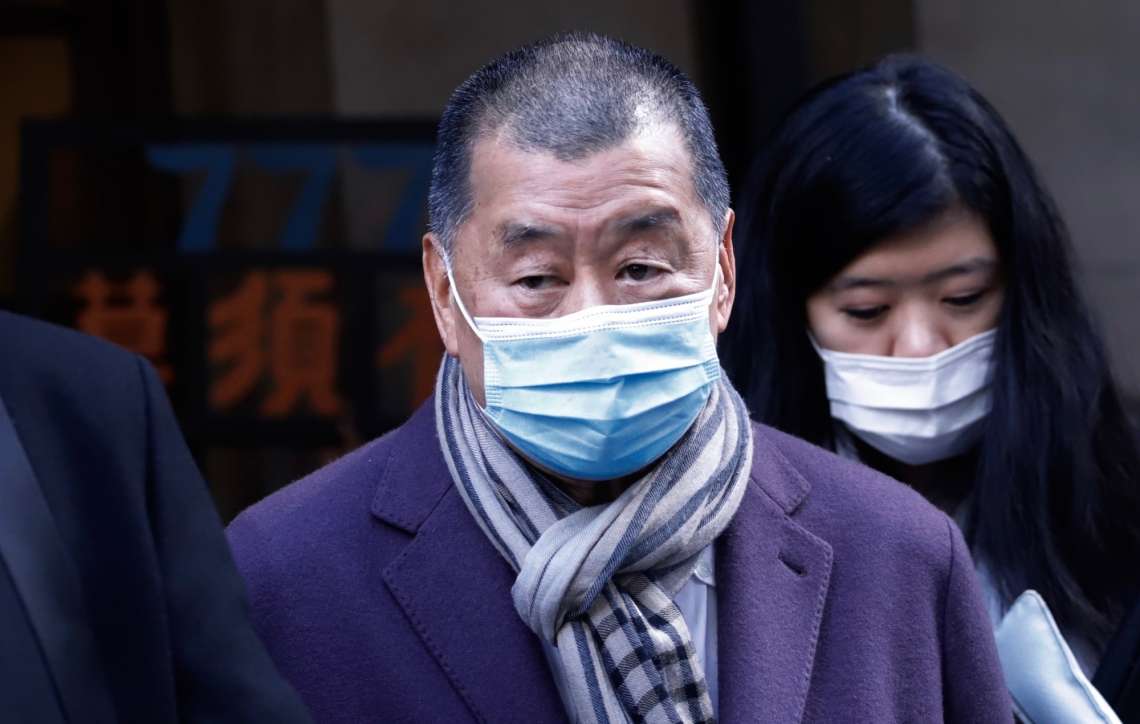
Jimmy Lai, a founder of the now-defunct Apple Daily and one of the Chinese Communist Party’s most outspoken critics, now faces the prospect of life imprisonment.

He was found guilty on two counts of “conspiracy to collude with foreign forces” under the Beijing-imposed national security law and a third count of “sedition” under a colonial-era statute resurrected for modern political use. Lai pleaded not guilty to all charges.
The verdict was delivered by a panel of national security judges handpicked by Hong Kong’s pro-Beijing government—an arrangement that has itself drawn fierce criticism for undermining judicial independence.
The reaction from the United Kingdom was swift and unambiguous. Calling the prosecution politically driven, the British government said Lai—a UK national—was being punished for peacefully exercising his right to free expression.
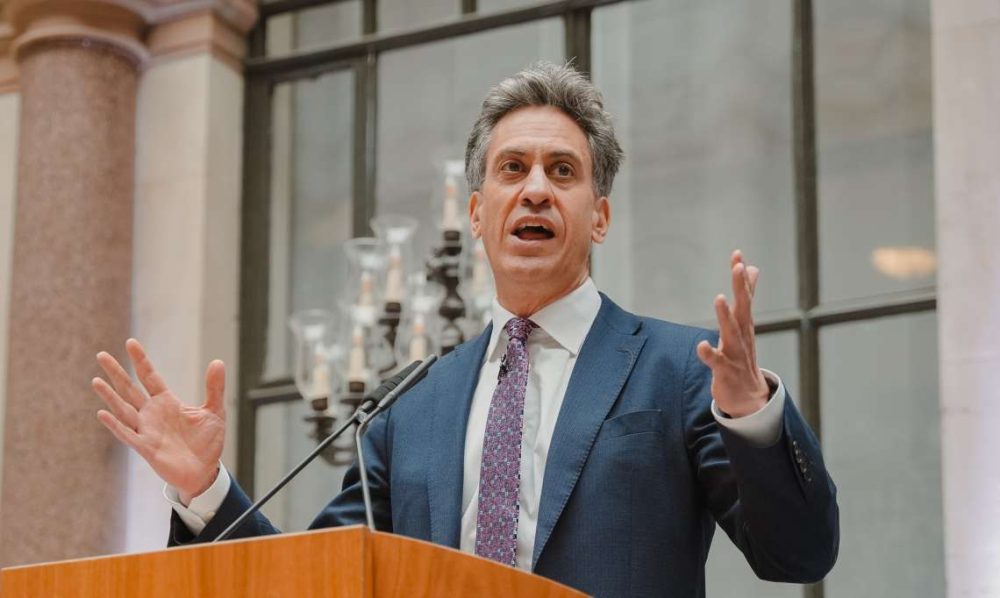
The statement from Foreign Secretary Yvette Cooper captured a growing Western consensus: that Lai’s trial was less about law enforcement and more about silencing dissent.
Britain’s condemnation carried particular weight given its historical role in Hong Kong and the binding commitments Beijing made under the Sino-British Joint Declaration, commitments that critics say have now been rendered meaningless.
The European Union echoed this stance. Its diplomatic arm described the prosecution as emblematic of the erosion of democracy and fundamental freedoms in Hong Kong since the national security law was imposed in 2020.
The language was unusually direct, reflecting mounting frustration in European capitals over Beijing’s insistence that the law has restored “stability” while systematically dismantling civil liberties.
For Brussels, Lai’s conviction reinforced the view that Hong Kong’s promised autonomy has been replaced by a legal architecture designed to criminalise opposition.
Taiwan’s response was equally scathing. The island’s Mainland Affairs Council said the ruling left Taiwan and the international community “deeply saddened and disappointed,” warning that no amount of official messaging could disguise the reality of repression.
Taipei framed the conviction as a declaration to the world that freedoms and judicial independence in Hong Kong have been “systematically eroded.”
In Taiwan—where Beijing continues to promote the “one country, two systems” formula—the case has further discredited that model, transforming Hong Kong from a supposed example into a cautionary tale.
What has amplified the global outcry is not just the severity of the sentence Lai faces, but the broader context in which it has unfolded. Five years after the national security law came into force, Hong Kong bears little resemblance to the open society it once claimed to be.
Pro-democracy lawmakers are behind bars or in exile, independent media outlets have shut down under pressure, and civil society groups have quietly disbanded.
On the eve of Lai’s conviction, Hong Kong’s Democratic Party—the city’s longest-standing pro-democracy party—voted to dissolve, a stark symbol of political life narrowing to near extinction.
International lawmakers have been unusually vocal. Seventy-six legislators from 30 countries issued a joint statement condemning what they described as a “travesty of justice.”
Their criticism went beyond the individual case, arguing that Lai’s prosecution would never have been possible had Beijing honoured its international legal obligations.
By framing the issue as a failure of the international community to enforce those obligations, the lawmakers implicitly accused world powers of enabling China’s actions through inaction and accommodation.
Beijing, for its part, has rejected the criticism outright, dismissing it as foreign interference. Hong Kong authorities continue to insist that the national security law is applied impartially and that the city’s courts remain independent.
Yet these assertions ring hollow to many observers when national security judges are selected by the executive, juries are excluded, and vaguely defined crimes such as “collusion” carry life sentences.
The law’s breadth ensures that almost any interaction with foreign entities—or any form of public advocacy—can be reframed as a security threat.
Lai’s personal circumstances have further intensified international concern. Now 78, he has been incarcerated since December 2020 and has spent much of that time in solitary confinement, according to his family and legal team.
Suffering from diabetes and heart problems, Lai has reportedly lost significant weight, prompting renewed appeals from his son, Sebastien Lai, who has urged governments to move beyond statements of concern. His plea has resonated with lawmakers who see Lai’s treatment as emblematic of a system that uses prolonged detention and isolation as tools of pressure.
The global condemnation surrounding Lai’s conviction also reflects a deeper anxiety about China’s trajectory under President Xi Jinping.
The national security law is widely seen as a template—one that prioritises absolute political control over legal safeguards. For many governments, the case has become a reference point in reassessing their engagement with Beijing, particularly when economic ties risk muting criticism of human rights abuses.
Crucially, the outrage has not been confined to Western democracies alone. Lawmakers from Asia, Latin America, and Africa have joined the chorus, underscoring that concerns about Hong Kong transcend geopolitical blocs.
The issue has become less about East versus West and more about whether international norms—freedom of expression, judicial independence, treaty obligations—carry any weight when confronted by a powerful authoritarian state.
Jimmy Lai’s conviction has thus evolved into something larger than the fate of a single publisher. It has become a global indictment of Beijing’s Hong Kong policy and a test of international resolve.
Each statement of condemnation reflects not only sympathy for Lai but also alarm at the precedent his case sets. When a media owner is sentenced for engaging with foreign audiences and expressing political views, the message is unmistakable: dissent will be met not with debate, but with criminalisation.
The outcry continues to build, but so does the sense of inevitability that surrounds Hong Kong’s transformation. Lai’s case is not an aberration; it is the logical outcome of a system redesigned to prioritise loyalty over liberty.