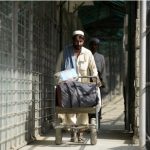
As Pakistan intensifies its mass deportation drive against Afghan refugees, the once-bustling Afghan-owned businesses in Rawalpindi are falling silent.
With the March 31 deadline for repatriation passed, a growing number of Afghan-run shops, hotels, and small enterprises in the city and cantonment areas are shutting down, sold off, or simply abandoned.
Local media reports suggest a visible impact across Rawalpindi’s commercial landscape. Shops once run by Afghan nationals are now closed, their goods being sold off at steep discounts, and signage taken down or replaced. Vehicles, machinery, and equipment used by Afghan workers are also being offloaded in bulk sales.
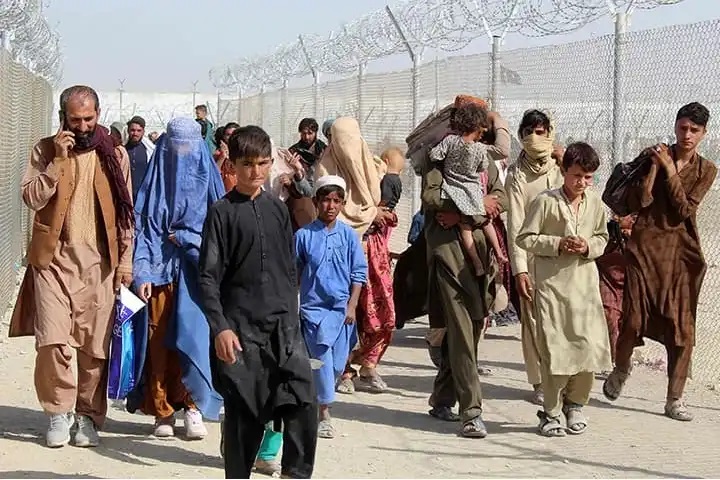
Pakistan’s policy of mass Afghan deportation has displaced thousands—many of whom were born in Pakistan and have never lived in Afghanistan. Entire families are being uprooted, and livelihoods built over decades are crumbling overnight.
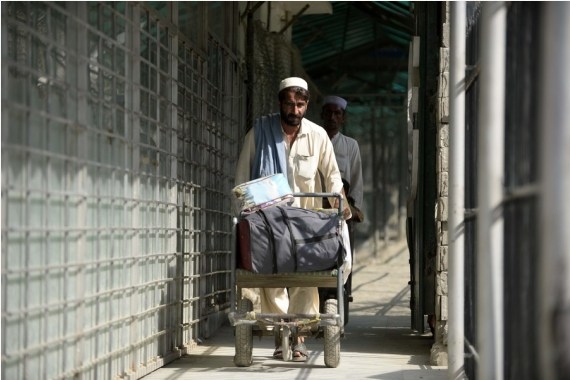
“I had a small hotel near the fruit market,” said Gul Mohammad, one of the deportees, speaking to TOLO News. “The police raided me while I was working, kept me in a detention camp for four nights, and then deported me through Torkham.” His story echoes across the Afghan community in Pakistan, particularly in cities like Rawalpindi and Peshawar, where thousands have lived for years.
Another Afghan migrant, Shujauddin, shared his plight last month. Living in Rawalpindi with his wife and four children, he had invested 1.8 million Pakistani rupees in a retail shop. Despite holding a valid visa, he feared deportation. “I’ve listed all my goods for auction. If I don’t leave, they’ll arrest me and send me back,” he said.
According to official reports cited by Dawn, 4,966 Afghan refugees were deported on Sunday night alone. Officials say the process continued late into Monday, with figures expected to rise once updated.
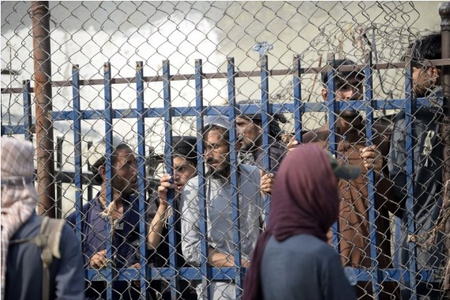
The crackdown hasn’t just targeted business owners. Police in Rawalpindi detained 736 Afghan nationals on Sunday, including 140 women and 164 children. Of them, 179 were deported immediately, while the rest were taken to a refugee camp near Golra Mor.
The ongoing crackdown has drawn condemnation from international humanitarian organisations. Critics argue that Pakistan’s actions are placing vulnerable families at risk in an uncertain Afghanistan, where political instability and economic hardship persist. The UN High Commissioner for Refugees (UNHCR) has voiced serious concern, urging Islamabad to reconsider the blanket deportation policy.
However, the Pakistani government has stood firm, dismissing the international criticism. Authorities say the repatriation campaign is being conducted in line with national security interests, particularly amid allegations of undocumented Afghans’ involvement in criminal and militant activities.
While the government continues to assert its right to control borders and immigration, the human cost is becoming increasingly apparent. Afghan communities that were once part of the urban fabric in Pakistan’s cities are now disappearing almost overnight.
The closure of Rawalpindi’s Afghan businesses has left not only economic gaps but also a sense of erasure. Long-time customers, landlords, and local business partners are witnessing the sudden vanishing of neighbours and friends with whom they have shared decades of trade and community life.
With the situation still unfolding, the long-term impact of the refugee repatriation in Pakistan remains to be seen. But for many Afghan families, the future is already set: a forced return to a homeland they may barely know, and the loss of everything they built in a country they once called home.