September 28, 2025
4 mins read

‘South Sudan on brink of new war’

UN High Commissioner for Human Rights Volker Turk says peace deal risks collapse as nearly 2,000 civilians killed this year…reports Asian Lite News

South Sudan is teetering on the edge of another brutal conflict, the United Nations has warned, as new figures show a sharp surge in killings, abductions and sexual violence across the country.

The UN High Commissioner for Human Rights, Volker Turk, sounded the alarm on Friday, saying there were “intensifying fears” that the 2018 peace deal which ended a five-year civil war is close to breaking down. Without urgent action, he cautioned, the world’s youngest nation risks sliding back into “all-out fighting”.

According to UN monitoring, at least 1,854 civilians have been killed between January and September this year, with 1,693 more injured, 423 abducted and 169 subjected to sexual violence. The organisation noted that the true toll is likely higher because of limited access to some of the worst-hit areas. The increase represents a 59 per cent jump compared with the same period in 2024.

“This is unconscionable and must stop,” Turk declared in a statement. “I deeply worry for the plight of civilians in South Sudan and call on the country’s leaders, as well as the international community, to do everything in their power to pull South Sudan from the brink.”

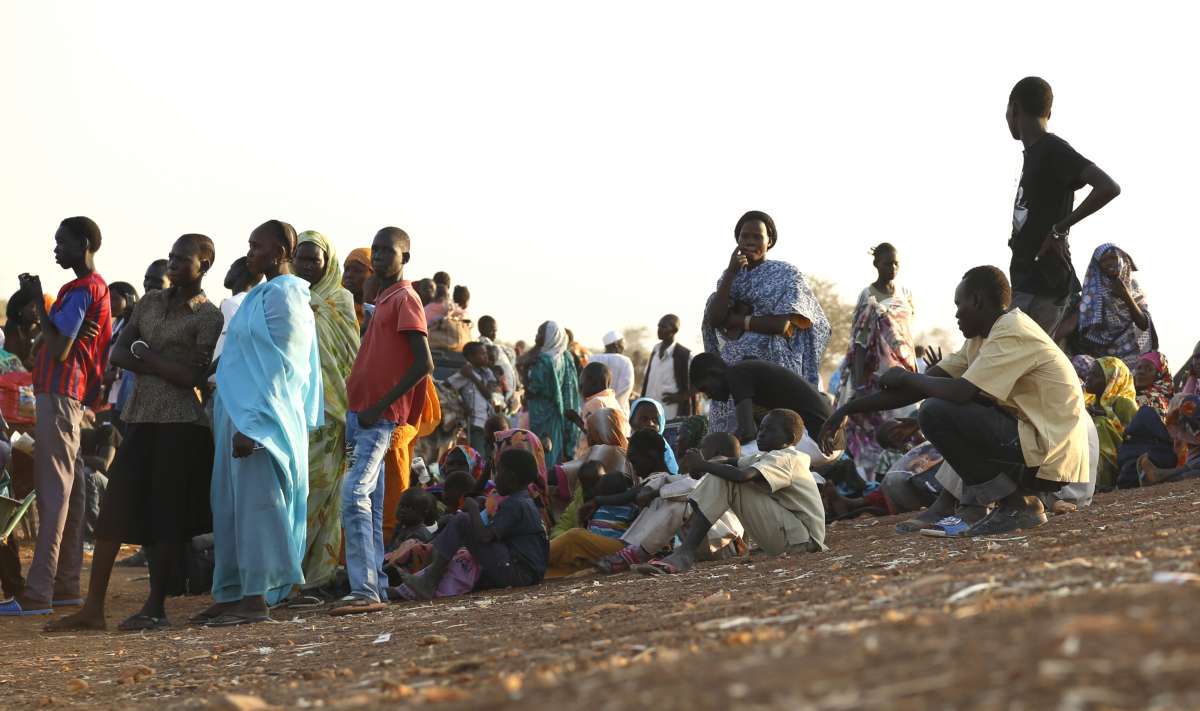
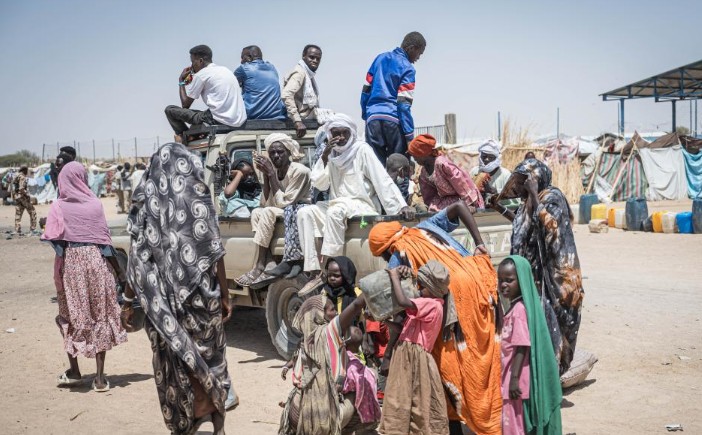
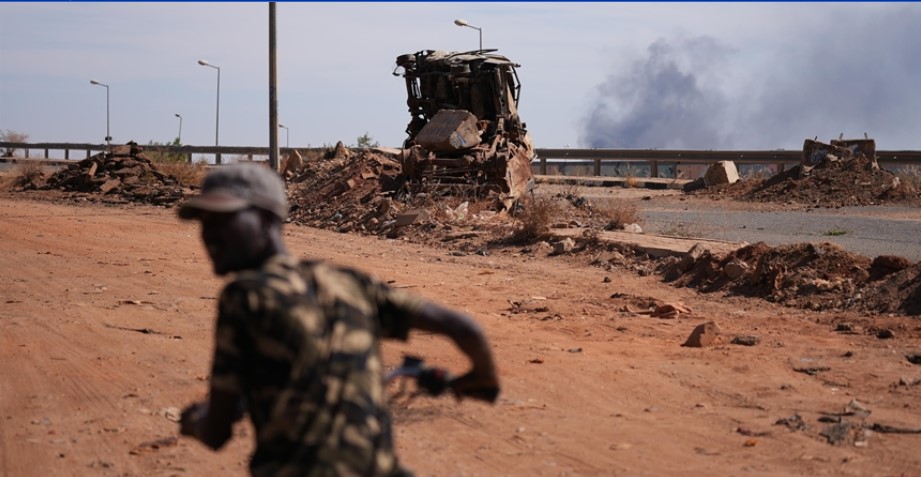
The UN said fighting has escalated dramatically since March. Government forces have carried out airstrikes described as “indiscriminate” in several states, including Upper Nile, Jonglei, Unity, Central Equatoria and Warrap. Civilian infrastructure has not been spared, with homes, schools and health clinics destroyed in the bombardments. Thousands of people have been forced to flee their villages, adding to the country’s already dire humanitarian crisis.

Communal clashes are also fuelling the bloodshed. Inter-clan and ethnic violence, particularly in Warrap and Jonglei states, has pushed civilian deaths up by a third compared with last year. The UN documented at least 45 extrajudicial killings by security forces during 2025, underlining what Turk described as a climate of “impunity and lawlessness”.

The warning comes as the fragile power-sharing deal struck in 2018 — which brought together President Salva Kiir and his rival, First Vice President Riek Machar, after years of civil war — faces mounting pressure. That conflict, from 2013 to 2018, left nearly 400,000 people dead and displaced millions. Although the peace agreement reduced large-scale fighting, it left unresolved questions over governance, security and the integration of rival armed groups.

South Sudan’s political landscape has been further unsettled by the suspension of Riek Machar earlier this year. The rebel leader turned vice president faces charges including treason and crimes against humanity over a March attack on a military base. The UN rights chief urged Juba to ensure due process in the proceedings, warning that politicised justice risks undermining reconciliation efforts and fuelling new grievances.

Observers say the trial has sharpened divisions within the fragile coalition government, raising doubts about whether the peace arrangement can hold. Turk stressed that the country’s leaders must show restraint and commit to dialogue rather than confrontation. “The people of South Sudan deserve peace, dignity and a future beyond endless cycles of violence,” he said.

The rise in fighting comes at a time when South Sudan is grappling with severe humanitarian challenges. Flooding, food shortages and the influx of refugees fleeing neighbouring Sudan’s war have stretched the capacity of aid agencies to breaking point. According to the UN, more than nine million people — three-quarters of the population — are in need of assistance.

The destruction of schools and clinics has compounded the crisis, leaving children without education and families without access to basic healthcare. Humanitarian groups have repeatedly warned that renewed nationwide conflict would push the country into catastrophe, undoing fragile gains since the 2018 accord.

The UN’s latest report is likely to increase pressure on regional and international actors to step up their engagement. The Intergovernmental Authority on Development (IGAD), the African Union and neighbouring countries have been involved in mediating between Kiir and Machar in recent years, but progress has been slow and uneven.

Turk appealed directly to those actors, as well as to the wider international community, to help shore up the peace process. “South Sudan cannot afford another descent into war. The cost to its people would be devastating, and the repercussions would destabilise the wider region,” he said.

Diplomats note that with global attention focused on conflicts in Ukraine and the Middle East, South Sudan risks slipping down the international agenda. Yet the warning from the UN rights chief underscores that without renewed focus, the gains of the past seven years could unravel quickly.

For many South Sudanese, the sense of déjà vu is painful. The civil war that erupted just two years after independence in 2011 was marked by massacres, mass rape and famine. The prospect of returning to that dark chapter is terrifying for a population that has yet to see the dividends of peace.

As Turk’s warning makes clear, South Sudan now stands at a crossroads. Whether its leaders choose to prioritise reconciliation and reform, or fall back into armed confrontation, will determine the fate of millions. For now, the signs are ominous: more deaths, more displacement, and a peace agreement under growing strain.

The international community faces a stark choice too — to redouble efforts to prevent renewed conflict, or risk presiding over another preventable tragedy.
Previous Story

Ramaphosa  slams trade being used as a ‘weapon’

Next Story

Terror and Repression: Bangladesh Exposed in Geneva

Previous Story

Ramaphosa  slams trade being used as a ‘weapon’

Next Story

Terror and Repression: Bangladesh Exposed in Geneva

Latest from -Top News

Pakistan Risks Overstretching Itself in Yemen War

Pakistan’s expanding military role in Saudi Arabia amid the Yemen conflict could strain its defence resources and fragile finances…reports Asian Lite News Desk Pakistan’s military involvement in the war in Yemen may prove unsustainable because of mounting financial pressures and competing security demands, according to a new report. Islamabad’s growing military presence in Saudi Arabia risks stretching its defence resources while exposing the country to greater strategic and economic challenges. An article by Andrew Wilson in One World Outlook describes Pakistan’s involvement as a case of “fiscal and strategic overreach”, arguing that the country lacks the financial flexibility to sustain an expanded military commitment. Pakistan’s external finances depend heavily on an International Monetary Fund (IMF) programme, financial support from Gulf countries and remittances from Pakistani workers in the region. The report argues that deeper military involvement in the conflict could place additional pressure on these sources of financial stability. It also warns that deploying troops and military equipment abroad could weaken Pakistan’s capacity to address security challenges along its eastern border and deal with two domestic insurgencies. The move could also draw Islamabad into a conflict it has sought to approach cautiously. A Reuters report in May, citing Pakistani security and government sources, said Islamabad had deployed around 8,000 troops, a squadron of approximately 16 aircraft, mostly JF-17 fighter jets, two drone squadrons and a Chinese HQ-9 air-defence battery to Saudi Arabia. According to those sources, Riyadh was financing the deployment, with Pakistani personnel operating the equipment. The sources also said a confidential agreement contemplated the possibility of deploying up to 80,000 troops. Islamabad has not confirmed those figures, although it has acknowledged its military presence in Saudi Arabia, including the deployment of fighter jets at King Abdulaziz Air Base from April. The One World Outlook article argues that Saudi financial support can cover allowances and operating expenses but cannot easily replace military equipment needed elsewhere or resolve the political and strategic challenges of participating in the Yemen conflict. Pakistan’s defence budget is another concern. For the 2026-27 financial year, the federal government allocated PKR 3 trillion, or approximately $10.8 billion, to defence services. The allocation represents an 18 per cent increase from the original PKR 2.55 trillion provision and amounts to around 2.1 per cent of projected gross domestic product (GDP). Defence spending accounts for approximately 16 per cent of the federal government’s PKR 18.8 trillion expenditure. Military pensions are budgeted separately at PKR 822 billion, while debt servicing costs stand at approximately PKR 8 trillion, more than two-and-a-half times the defence allocation. The report argues that these competing financial obligations leave little room for additional military expenditure without placing further pressure on public finances. Pakistan’s reliance on IMF assistance also limits its fiscal flexibility. The country must meet the conditions attached to the programme, including a primary budget surplus target of 2 per cent of GDP and continued restraint on development spending. According to the article, these requirements make it difficult for Islamabad to finance an additional military commitment without compromising other budgetary priorities. Pakistan’s economic indicators offer limited reassurance. Economic growth for the 2025-26 financial year is estimated at between 3.6 and 3.7 per cent, while inflation reached approximately 10.3 per cent in September following an energy price shock. Foreign exchange reserves stood at around $21.5 billion at the end of September. Although this marks an improvement from the low levels recorded in 2023, the report notes that the reserves cover only a few months of imports. Financial assistance from Gulf partners remains central to Pakistan’s external stability. The article says Islamabad holds approximately $8 billion in Saudi deposits at its central bank. In July, the State Bank of Pakistan said Riyadh had extended the maturity of $5 billion in deposits to December 2028, easing the country’s immediate external financing requirements. A further $3 billion deposit was also extended in the spring. However, the article argues that these arrangements provide temporary relief rather than long-term financial independence, particularly as regional conflict threatens the stability of the Gulf economies on which Pakistan relies. The report concludes that Pakistan faces a difficult balance between supporting Saudi Arabia militarily and preserving the financial and military resources needed to address its domestic and regional challenges.

UK and Germany Ratify Kensington Treaty

Britain and Germany ratify the Kensington Treaty, agreeing new cooperation on AI, quantum research, defence and security while targeting investment, jobs and Russian hybrid threats…reports Asian Lite News Desk Britain and Germany

Economic tide is turning in Bangladesh

If there is one thing that can bring some comfort to the struggling Bangladeshi economy, it is good relations with India. Bangladesh should remember that Delhi’s backing, through easy supplies of essentials
Go toTop

Don't Miss

South Sudan’s main opposition agrees to resume security mechanisms

The parties also signed an agreement on the structure of

Sudan official calls on Sudanese parties for talks to achieve stability

A senior security official from South Sudan has called for