Modi’s trip is less about China or Russia and more about sending a message to Washington. India is not a pawn. It is a player. And Trump may have just pushed it to show that more vividly than ever before, writes Aravind Rajeev
Prime Minister Narendra Modi is preparing for his first visit to China in seven years, heading to the Shanghai Cooperation Organisation summit in Tianjin. There, he will share the table with Presidents Xi Jinping and Vladimir Putin at a moment when President Donald Trump has lashed out with crippling tariffs on Indian exports.
For all the talk of Washington being India’s indispensable partner, the spectacle of Modi rubbing shoulders with America’s biggest rivals is bound to raise eyebrows.
Trump’s tariff strike has shaken Indian markets and angered exporters. By more than doubling duties on goods like leather, gems, seafood and textiles, the former president has sent a signal that he is willing to strong-arm even strategic partners if they do not fall in line with U.S. expectations.
India’s purchases of discounted Russian oil have become a lightning rod in Washington, and Trump has seized on it to look tough before his political base. Yet in Delhi, the move is seen as unfair punishment and a reminder that America can turn hostile without warning.
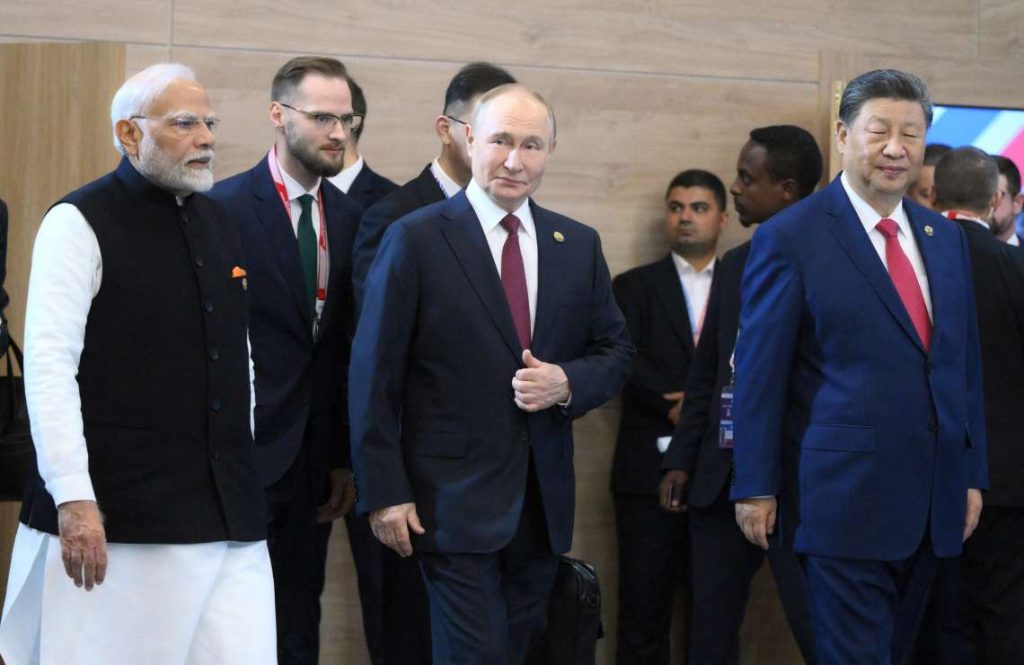
The SCO summit provides Modi with an opportunity to counter that pressure. By appearing alongside Xi and Putin, he is sending a message that India has options, that it cannot be isolated by one man’s tariff tantrum. Of course, this does not mean India is throwing itself into China’s embrace.
Relations between Delhi and Beijing remain strained since the 2020 border clashes, and trust is still low. But engaging China within a multilateral setting allows Modi to project pragmatism and to explore whether tensions can at least be managed.
Russia remains a different case. Unlike Beijing, Moscow has not had a fraught relationship with Delhi. Defence supplies, energy ties and decades of familiarity give the two countries a steady foundation. Meeting Putin is less about recalibration and more about reassurance. India will not abandon its old partner, even as it deepens connections with the United States.
The bigger story here is India’s attempt to assert genuine strategic autonomy. Trump’s tariffs have highlighted the risks of relying too much on one power. Modi’s visit shows that India can lean east when squeezed from the west, and vice versa. This is not about choosing sides, but about keeping every option on the table.
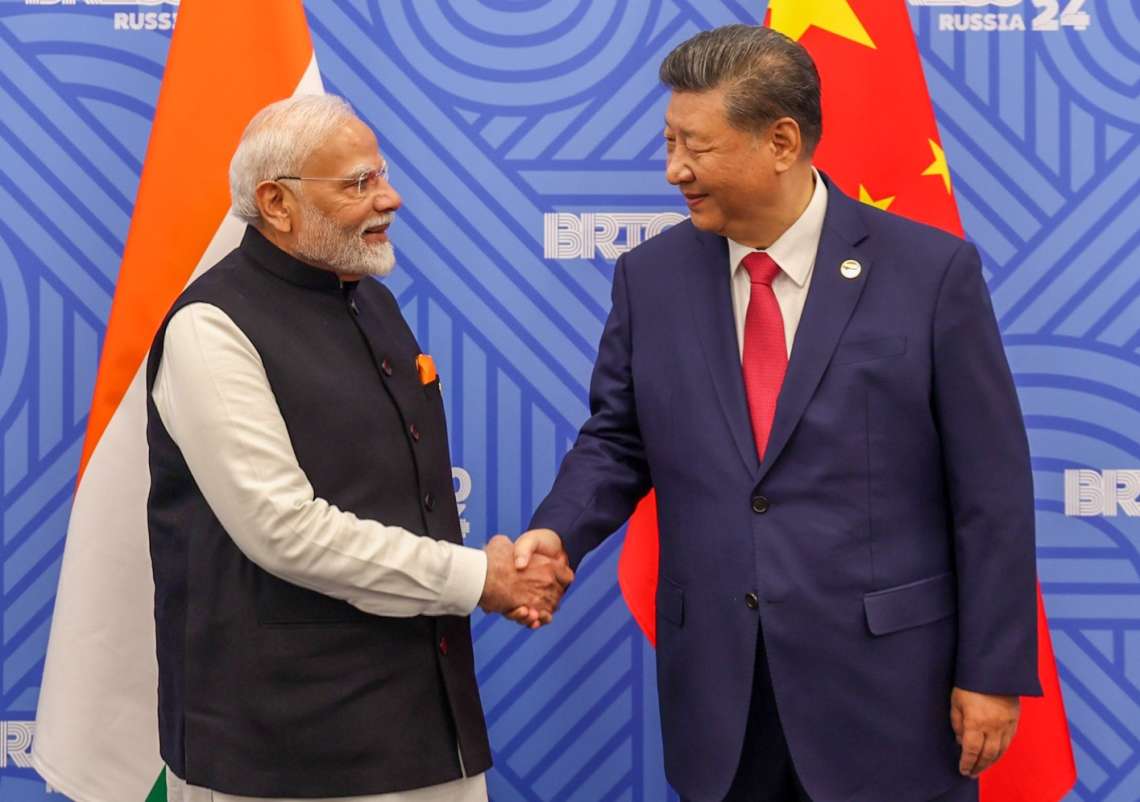
What should worry Trump is the symbolism. A photograph of Modi shaking hands with Xi and Putin at a time when Washington is trying to corner both could be powerful. It plays into India’s image as a swing power, one that cannot be dictated to.
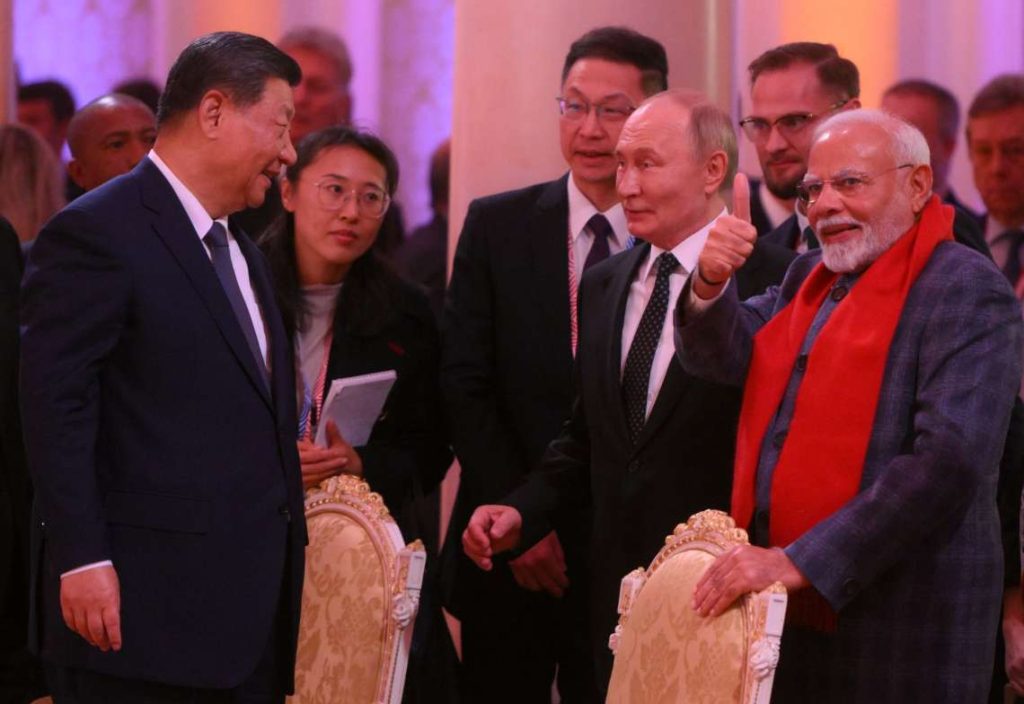
Even if no grand agreements emerge from the summit, the optics will sting. Modi looks like a leader with multiple doors open, while Trump looks like a man who slammed one shut too quickly.
In the end, Modi’s trip is less about China or Russia and more about sending a message to Washington. India is not a pawn. It is a player. And Trump may have just pushed it to show that more vividly than ever before.