Pakistan eases its three-week border shutdown with Afghanistan to allow refugee returns, but trade remains halted as fragile ceasefire diplomacy struggles to contain wider tensions.
Pakistan has partially reopened the Torkham border crossing with Afghanistan, allowing thousands of stranded Afghan refugees to return home almost three weeks after deadly clashes forced Islamabad to seal all entry and exit points along the frontier. Trade and other cross-border movement remain suspended, highlighting continuing fragility despite a ceasefire agreement between the neighbours.
The reopening marks the first easing of restrictions since Pakistan shut down the frontier on 12 October after intense fighting along the Durand Line — the 2,611-km disputed border Afghanistan has never formally recognised. Both sides had claimed to have killed dozens of troops in the clashes, which triggered concerns of a wider escalation between the two countries already grappling with deep mistrust and surging militant violence.
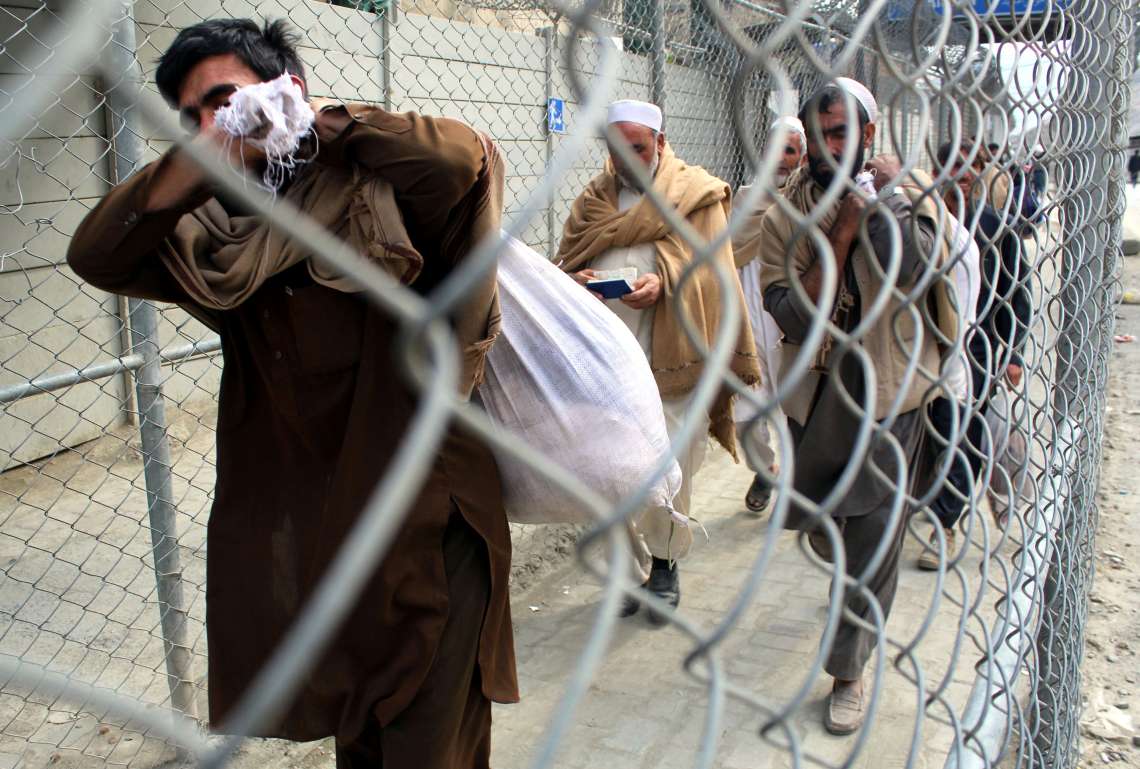
Officials said Afghan nationals stuck in Pakistan since the closure were permitted to begin crossing back on Saturday morning. Thousands had been moved into a temporary camp near Torkham, while many others had reportedly been waiting along the roadside. Local Afghan officials told the Associated Press the gate had been reopened “exclusively for Afghan refugees”, urging all other travellers to stay away until further instructions.
Images released by the Information and Culture Department of Nangarhar province showed officials and Afghan soldiers greeting returnees with flowers at the border gate — a symbolic gesture aimed at projecting calm after weeks of tension. Pakistani authorities stressed that the opening remains limited and temporary, with normal trade and transit still halted.
The partial relaxation follows nearly a week of negotiations hosted first in Doha by Qatar, then in Istanbul under Turkish mediation. The talks culminated late Thursday with both sides agreeing to maintain the truce reached on 19 October. Officials in Islamabad confirmed that no fresh firefights have been reported since the ceasefire began, an assurance seen as essential for enabling the humanitarian corridor through Torkham.
The situation at the border has been further complicated by Pakistan’s ongoing drive to deport undocumented foreign nationals, primarily Afghans. More than a million Afghans have been sent back since Pakistan intensified its expulsion campaign in 2023, a move critics say risks humanitarian fallout and strains bilateral ties. Pakistani authorities insist they are enforcing immigration laws and acting against security concerns, citing a sharp rise in domestic militant attacks.
Earlier this month, Pakistan’s military claimed to have carried out airstrikes against Tehrik-e-Taliban Pakistan (TTP) hideouts in Afghan territory, saying dozens of militants were killed. Afghan officials rejected the claim, alleging civilian casualties and stating Afghan forces retaliated against Pakistani military posts, killing 58 soldiers. Pakistan acknowledged losing 23 personnel in the exchanges. The rare direct confrontation underscored the combustible relationship between Islamabad and Kabul since the Taliban seized power in 2021.
Afghanistan’s ambassador to Pakistan, Ahmad Shakeeb, had warned on X that thousands of refugees remained stranded due to the border closure. Pakistan responded sharply, accusing him of violating diplomatic norms. Foreign Ministry spokesman Tahir Andrabi argued that concerns should have been raised through official channels, rather than publicly on social media.
Against this backdrop, Pakistan continues to face intensifying militant attacks, most claimed by the TTP — a UN- and US-designated terrorist group ideologically aligned with, but operating independently of, the Afghan Taliban. Islamabad asserts that TTP elements enjoy sanctuary inside Afghanistan, a charge Kabul denies.
For now, the limited reopening at Torkham offers temporary relief to displaced Afghans and signals de-escalation. Yet with core disputes unresolved — from counter-terror cooperation to refugee management and border recognition — analysts warn that stability remains tenuous. As one Pakistani security official privately suggested earlier this week, the truce is “a necessary pause, not a lasting peace”.