September 26, 2025
4 mins read

Trump, Erdogan Discuss F-35s, Russian Oil

Turkish leader’s first White House visit in six years signals reset in ties, but Russian oil and Gaza remain flashpoints

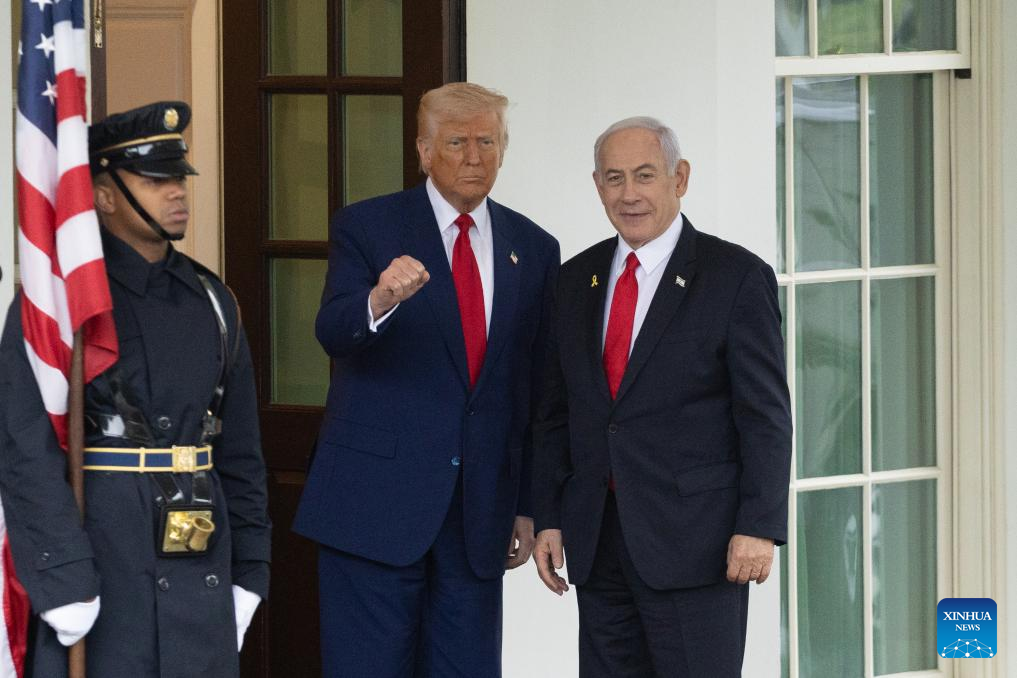
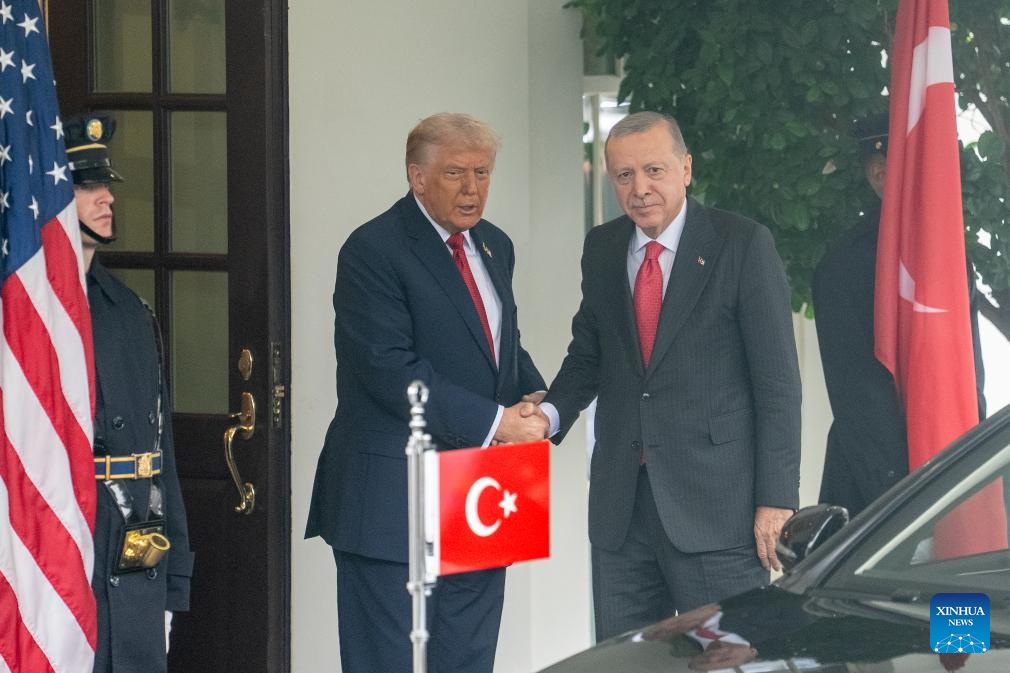
Seated together in the Oval Office at the start of their talks, Trump described Erdogan as “a very tough man” and suggested a willingness to strike deals that could reshape US-Turkish relations. “I’d like to have him stop buying any oil from Russia while Russia continues this rampage against Ukraine,” Trump said. Asked whether he was prepared to sell F-35s to Ankara, Trump replied: “I think he’ll be successful in buying the things that he wants to buy.” He added that sanctions on Turkiye could be lifted “very soon, almost immediately” if the talks went well.

President Donald Trump has signalled that the United States could lift sanctions on Turkiye and reconsider Ankara’s bid to rejoin the F-35 fighter jet programme, as he welcomed President Tayyip Erdogan to the White House for the first time in six years. The overture comes with a condition: Trump wants Turkiye to halt purchases of Russian oil, which he said directly funds Moscow’s war in Ukraine.

Erdogan’s return to Washington comes at a pivotal moment. The Turkish president is seeking to capitalise on Trump’s appetite for transactional diplomacy, in contrast to Joe Biden’s more cautious approach. Biden, wary of Ankara’s defence ties with Moscow, had largely kept the NATO ally at arm’s length. Trump, however, has long cast himself as more open to working with both Russia and Turkiye — and more personally comfortable with Erdogan.
The two men, both accused by domestic critics of concentrating power in their hands, had a turbulent relationship during Trump’s first term, clashing especially over Syria. Yet in his second term, their positions have converged. Washington and Ankara now both back Syria’s central government, removing what was once the most significant fault line between them.

Still, disagreements linger. One sensitive issue is Israel’s war in Gaza, where Erdogan has accused Tel Aviv of committing genocide — a position that puts him sharply at odds with Washington’s staunch support for Israel. Analysts say this could be a “wild card” in otherwise pragmatic talks centred on trade, defence and energy.

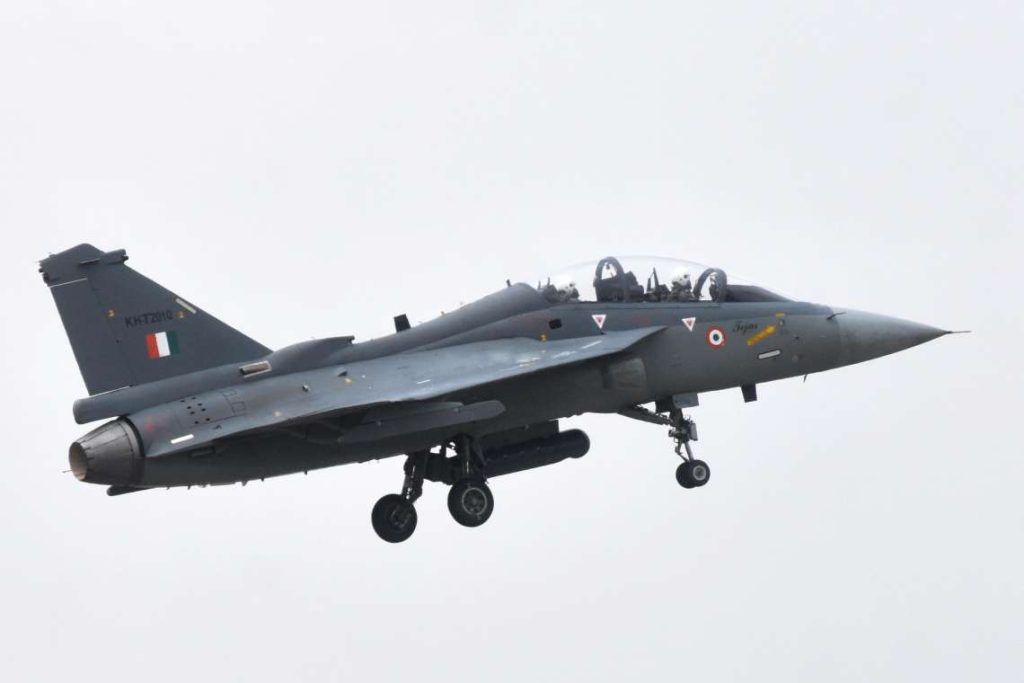
At the heart of the meeting is the question of whether Turkiye can re-enter the US-led F-35 programme. In 2020, Trump’s own administration sanctioned Ankara and barred it from buying the advanced fighter jets after it acquired Russia’s S-400 missile defence system. Turkiye had previously invested heavily in the programme as both a buyer and a manufacturer of components.

Erdogan has made no secret of his desire to revisit the issue. Ahead of the White House visit, he said defence cooperation — including negotiations over F-35s and a separate request for 40 new F-16 fighter jets — would top the agenda.

According to a US official, Washington recently drafted a statement of intent covering several potential arms sales to Turkiye, including F-16s and upgrades to its existing fleet. Ankara has requested advanced modifications that make the jets costlier than standard F-35s. However, the F-35 itself was excluded from the draft due to legal restrictions linked to the S-400s. “We cannot legally sell them while Turkiye has the system,” the official said. Turkish government representatives have not publicly addressed the reported F-16 costs.

Turkiye, NATO’s second-largest army, is intent on modernising its air power amid what it perceives as escalating threats in the Middle East, Eastern Mediterranean and Black Sea — regions where it borders both Ukraine and Russia. A renewed partnership with Washington could significantly bolster its capabilities at a time of shifting regional dynamics.

The White House encounter is as much about optics as substance. For Erdogan, it demonstrates that Turkiye is back in the diplomatic spotlight after years of tension with Washington. For Trump, it is an opportunity to showcase deal-making on the world stage while pressing allies to cut ties with Moscow’s energy sector.

Whether the two leaders can bridge the gap on Russian oil may prove decisive. Trump’s blunt demand for Ankara to stop buying from Moscow highlights Washington’s broader strategy of isolating Russia economically. But given Turkiye’s heavy reliance on Russian energy — and its longstanding role as a mediator between Moscow and Kyiv — analysts question whether Erdogan is willing or able to comply fully.

Still, the renewed warmth in the Oval Office underscores how much has changed since Biden’s presidency. Where Biden froze relations, Trump appears intent on rekindling them — even at the risk of upsetting other NATO allies wary of Ankara’s closeness to Moscow.

As the two leaders moved from the Oval Office to a private lunch, the stakes could hardly be higher: the future of US sanctions, the fate of Turkiye’s air force, and the balance of power across a region caught between war and fragile diplomacy.
Previous Story

Mitsubishi’s £800 mn investment to create 4,000 jobs

Next Story

Trump Bars West Bank Grab

Previous Story

Mitsubishi’s £800 mn investment to create 4,000 jobs

Next Story

Trump Bars West Bank Grab

Latest from -Top News

Nepal Floods Cause $1.66 Billion In Damage, Says World Bank

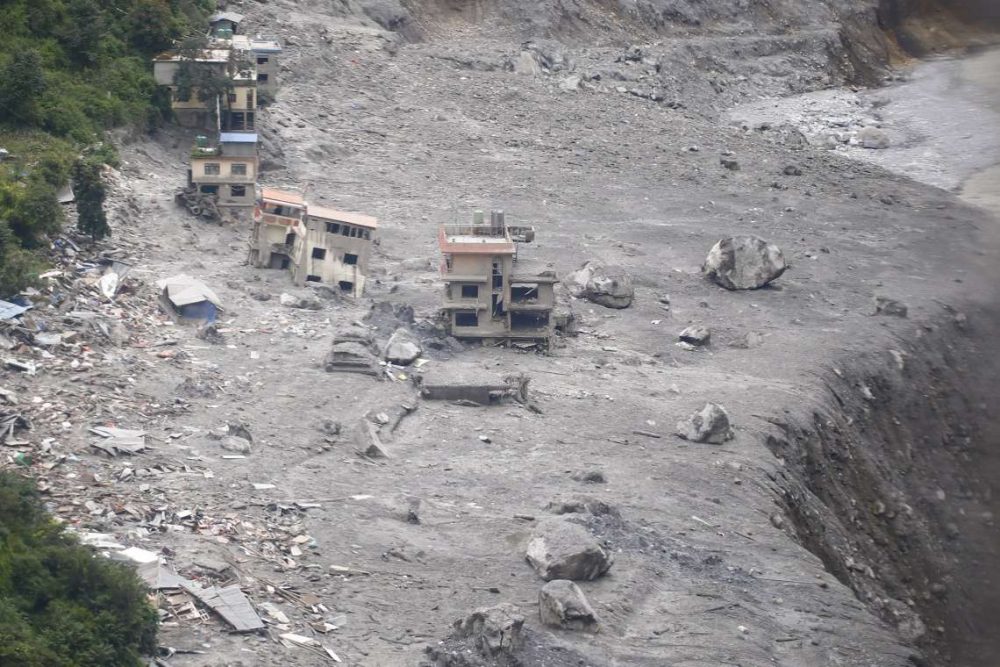
Nepal’s August 2026 floods caused an estimated US$1.66 billion in direct physical damage, with infrastructure accounting for 83 per cent of the total…reports Asian Lite News Desk Nepal’s devastating floods in August 2026 caused an estimated US$1.66 billion in direct physical damage, with infrastructure accounting for 83 per cent of the total, according to a World Bank report. The estimate, included in the World Bank’s Nepal Development Update unveiled this week, is close to the Nepal government’s preliminary Rapid Damage and Needs Assessment (RDNA), which put physical damage at US$1.81 billion. The government’s assessment also estimated losses beyond physical assets at US$883.32 million, taking the total economic effects of the disaster to approximately US$2.7 billion. The World Bank’s Global Rapid Post-Disaster Damage Estimation (GRADE) found that infrastructure suffered the greatest damage, estimated at US$1.38 billion, or 83 per cent of the total. Residential buildings accounted for US$185 million, or 11 per cent, while non-residential buildings sustained damage worth US$101 million, or 6 per cent. The floods along the Bhotekoshi and Trishuli rivers caused extensive damage to hydropower projects, solar energy facilities, electricity transmission infrastructure and transport networks. The energy sector, particularly hydropower, was among the worst affected. The August 2026 floods affected 12 hydropower projects and one solar project, involving 281.1 MW of operational capacity and 395.02 MW of capacity under construction. Damage to transmission lines and substations also disrupted the transmission of 149.6 MW of electricity to the national grid. The total affected capacity reached approximately 430.7 MW, equivalent to 10.6 per cent of Nepal’s installed hydropower and solar capacity at the end of fiscal year 2025-26, which concluded in mid-July. The disaster also severely damaged transport infrastructure along the 82-km Rasuwa trade corridor, which connects Kathmandu with the Rasuwagadhi border point with China. More than 55 km of the corridor was damaged, including 40 km that was completely destroyed. The floods also damaged 37 motorable bridges and 68 suspension bridges. The disaster resulted in significant human losses along the affected corridor and beyond. According to Nepal’s National Disaster Risk Reduction and Management Authority, 1,455 people had been confirmed dead, while 5,285 remained missing following the disaster. The World Bank report found that the physical damage was concentrated in three districts in central Nepal: Rasuwa, Nuwakot and Dhading. Rasuwa was the worst-affected district, accounting for US$1.07 billion, or 64 per cent, of the total direct damage. Nuwakot recorded an estimated US$551 million in damage, while Dhading suffered approximately US$39 million. “The findings highlight the concentration of physical damage in a small number of districts and the disproportionate impact on infrastructure, underscoring the scale of the reconstruction challenge facing the affected areas,” the World Bank said. The global development financier said the floods had demonstrated the scale and complexity of disaster risks in Nepal’s Himalayan environment. The event also showed how a single extreme weather event could trigger cascading impacts across sectors and geographical areas. The report said recovery efforts should extend beyond restoring infrastructure to its pre-disaster condition. While the principle of “Build Back Better” remained relevant, the World Bank stressed that rebuilding infrastructure to higher engineering standards in the same locations might not always be sufficient. “In some cases, simply rebuilding the same infrastructure in the same location to a higher engineering standard may not be sufficient. Nepal may need to build differently — based on a better understanding of risk, more careful decisions about location and design, greater redundancy in critical networks, stronger monitoring and early warning, and a more integrated approach to infrastructure development in the Himalayas,” the report said. The World Bank said Nepal’s recovery strategy should incorporate improved risk assessment, more informed infrastructure planning, stronger monitoring systems and better early warning mechanisms. The report emphasised that reconstruction should not only restore damaged assets but also reduce the impact of future disasters, particularly in the country’s vulnerable Himalayan regions.

Vaccine Delays Fuel Bangladesh Measles Outbreak

More than 32,000 suspected cases and over 250 deaths have been reported since mid-March, with children making up most of the fatalities….reports Asian Lite News Desk Bangladesh’s measles outbreak has intensified, with

Tsai: Stand With Taiwan, Strengthen The Indo-Pacific

The former president said stronger international partnerships would help Taiwan withstand mounting military, cyber and economic pressure while reinforcing democratic resilience….repots Asian Lite News Desk Former Taiwan President Tsai Ing-wen has called
Go toTop

Don't Miss

Biden hosting Irish PM on St. Patrick’s Day

The meeting with one of the top U.S. allies comes

Trump, Netanyahu talk Iran over phone 

Netanyahu reiterated that recent airstrikes against Syrian military sites were