The agreement was announced by US President Donald Trump following discussions with Israeli Prime Minister Benjamin Netanyahu and Lebanese President Joseph Aoun…reports Asian Lite News Desk
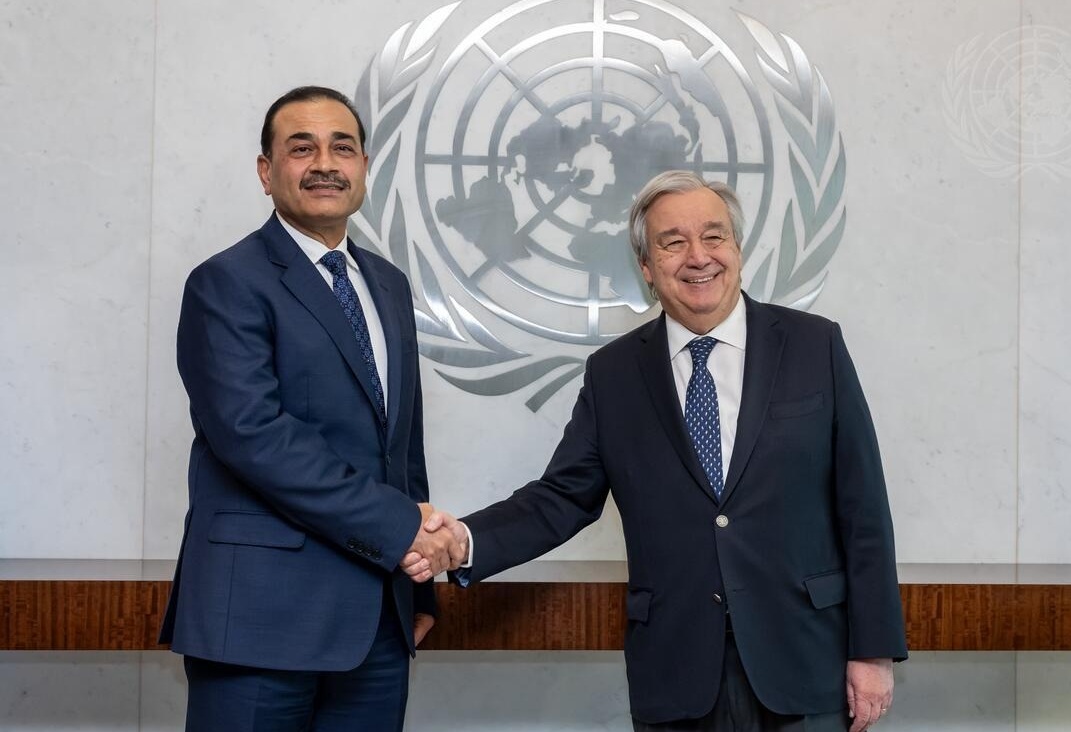
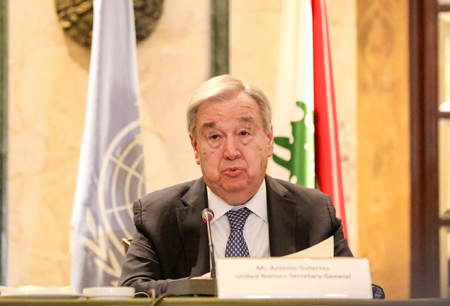
The United Nations Secretary-General Antonio Guterres has welcomed the announcement of a ceasefire between Israel and Lebanon, expressing cautious optimism that the development could mark a step toward a broader and more durable peace in the region.
In a statement posted on X, Guterres commended the role of the United States in facilitating the agreement and urged all parties to adhere strictly to its terms. He emphasised the importance of respecting international law, noting that the ceasefire should serve as a foundation for renewed diplomatic engagement and long-term conflict resolution.
The call for restraint was echoed by Stéphane Dujarric, spokesperson for the UN Secretary-General, who underlined the human cost of the conflict on both sides. He said the people of Lebanon have endured significant hardship, while residents in northern Israel also deserve to live in peace and security. The United Nations, he added, continues to support all efforts aimed at ending hostilities and reducing suffering.
The ceasefire applies to areas along the Blue Line, a UN-demarcated boundary established in 2000 to separate Israeli and Lebanese forces. UN officials reiterated the need to fully implement UN Security Council Resolution 1701, which calls for a cessation of hostilities and the establishment of long-term stability in southern Lebanon. The world body also stressed that there is no military solution to the conflict, reinforcing the need for sustained diplomatic efforts.
The agreement was announced by US President Donald Trump following discussions with Israeli Prime Minister Benjamin Netanyahu and Lebanese President Joseph Aoun. According to Trump, both sides agreed to a 10-day ceasefire aimed at easing tensions along a volatile front linked to the wider Iran conflict.
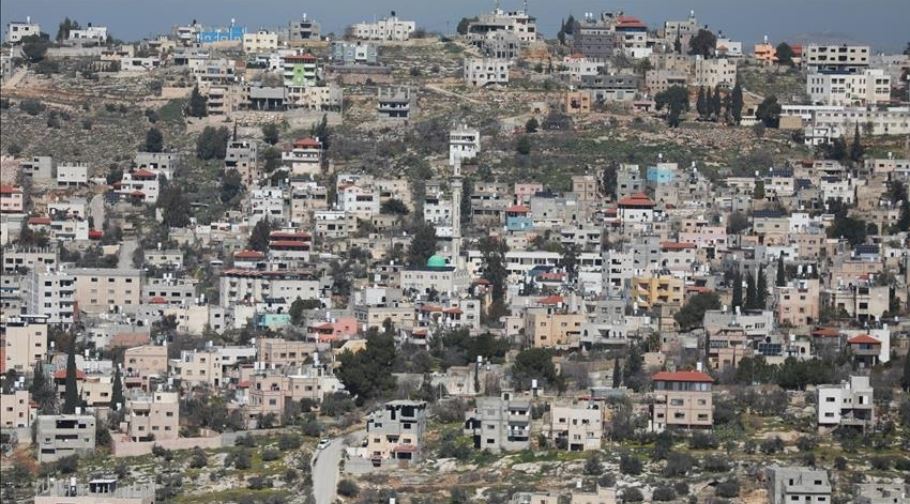
The truce is expected to temporarily halt escalating hostilities that intensified after Israel targeted Iran-affiliated Hezbollah positions in southern Lebanon. Although Lebanon is not formally at war with Israel, the presence and activities of Hezbollah in the region have drawn repeated Israeli retaliatory strikes, placing significant strain on Lebanese territory and civilians.
The durability of the ceasefire remains uncertain, largely hinging on whether Hezbollah refrains from further attacks and whether Israel exercises reciprocal restraint. While the group is not officially a party to the agreement, reports suggest it may comply if the ceasefire holds on the Israeli side.
Adding a regional dimension, Mohammad Bagher Ghalibaf voiced support for the ceasefire, indicating that de-escalation in Lebanon is as critical as stability within Iran itself.
The agreement follows diplomatic engagement in Washington, where US Secretary of State Marco Rubio facilitated discussions between Israeli and Lebanese representatives earlier this week.