Dhaka’s outreach to Islamabad, sealed with a narcotics pact despite no shared border, signals shifting regional optics and raises strategic questions amid India’s West Bengal political transition, writes Dr Rakesh Sharma
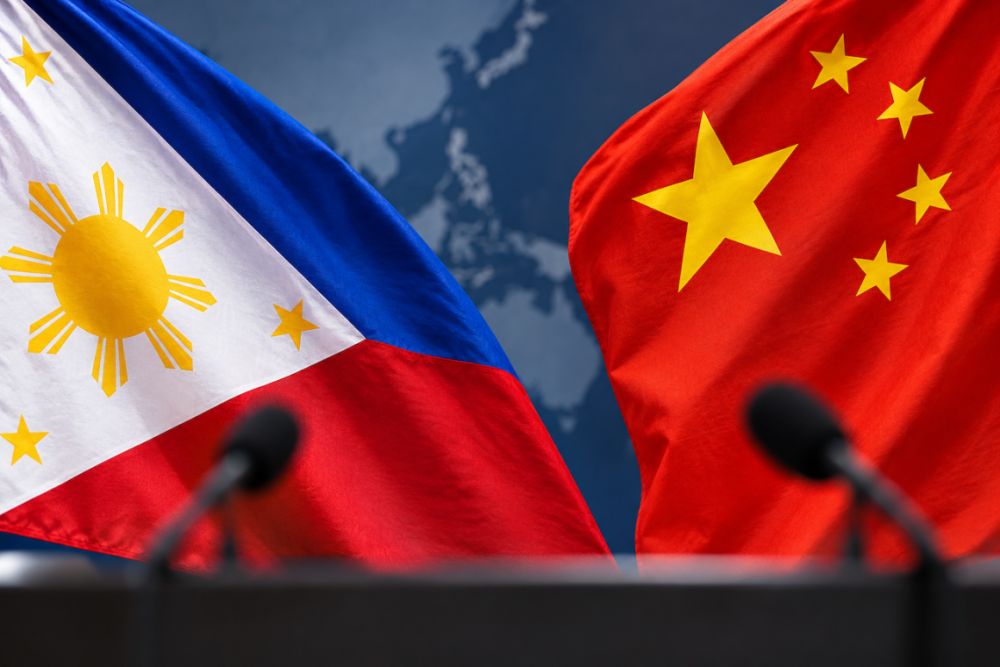
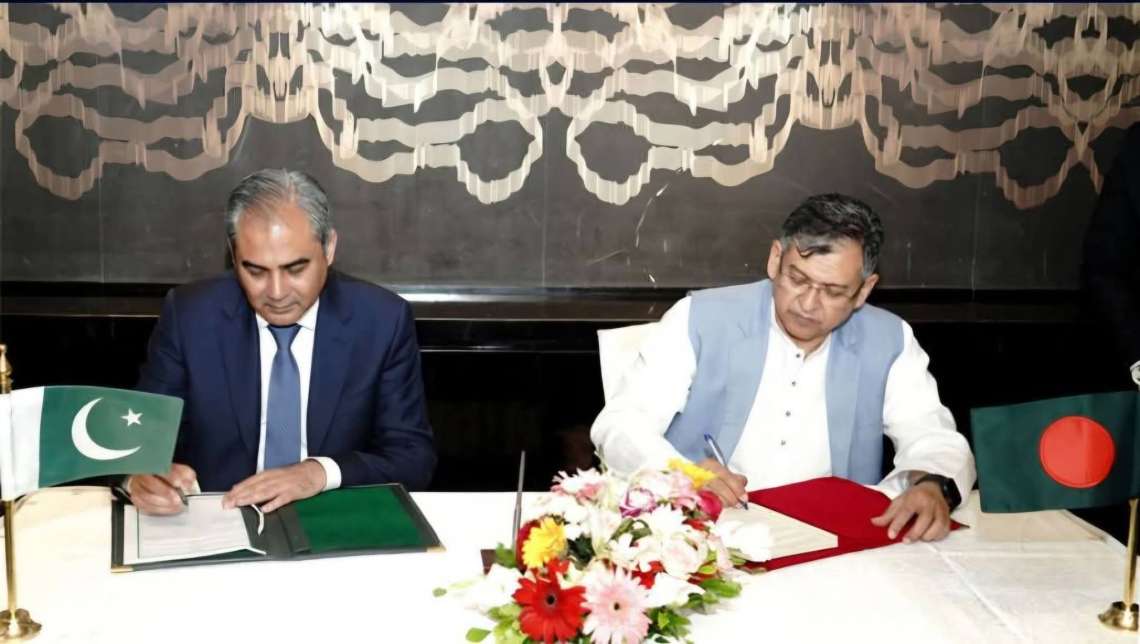
The Tarique Rahman government in Dhaka appears eager to deepen ties with Pakistan. On May 9, while India remained focused on the swearing-in of the first Bharatiya Janata Party (BJP) government in West Bengal — a state sharing more than 2,000 km of border with Bangladesh — Dhaka signed a preliminary pact with Islamabad to strengthen cooperation against drug trafficking and narcotics abuse.
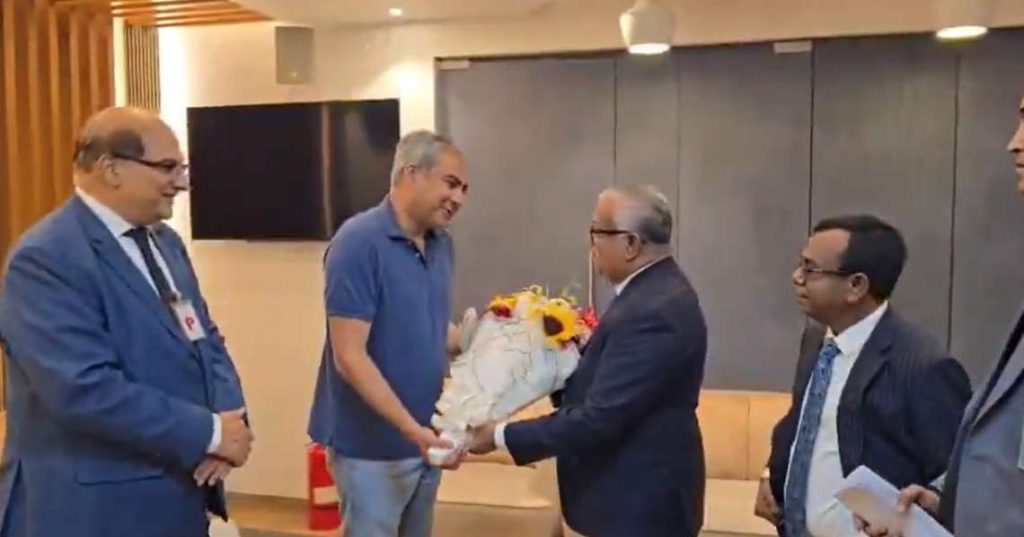
The timing and optics were unusual. On May 4, the BJP was declared winner in West Bengal. Within hours, Dhaka announced Pakistani Interior Minister Mohsin Naqvi’s visit to Bangladesh on May 8. Naqvi arrived with a 30-member entourage, including his own security personnel. In a departure from convention, Pakistani security protocol was reportedly used on Bangladeshi soil.
The agreement raised eyebrows because Pakistan and Bangladesh do not share a land border — ordinarily a prerequisite for cross-border narcotics trafficking. Blitz editor Salah Uddin Shoaib Choudhury pointed this out on X, describing the memorandum of understanding as “suspicious”. Bangladesh shares over 4,000 km of border with India and less than 300 km with Myanmar. The widespread perception is that the pact is less about narcotics and more about intelligence-sharing related to India.
According to Turkey’s Daily Sabah, the agreement provides for exchange of information and technical assistance to combat drug trafficking and related money laundering. It also envisages intelligence-sharing on suspected individuals, trafficking networks, routes and methods, including “controlled delivery operations” between agencies on mutual request. Pakistan’s Dawn reported that the two sides also discussed cooperation on internal security, counter-terrorism, training of civil armed forces and combating human trafficking.
The enthusiasm in Islamabad and the supportive response from Turkey point towards Bangladesh’s growing proximity to the Pakistan–Turkey axis that aligned diplomatically during India’s Operation Sindoor in May 2025. Bangladesh–Pakistan engagement under Tarique Rahman is no longer speculative; it is visibly deepening. Barely days after Naqvi’s visit, Bangladeshi Education Minister A. N. M. Ehsanul Hoque Milon publicly encouraged students to pursue higher studies in Pakistan.
Milon is often mocked in Bangladeshi social media culture, but his remarks reflected a broader political trend. The shift towards Pakistan became more visible in April, when reports emerged alleging infiltration of the Bangladesh Air Force by Tehrik-i-Taliban Pakistan (TTP). More than a dozen officers were reportedly investigated for links to the militant group, which has been responsible for attacks and killings in Pakistan.
The narrative, however, contained serious inconsistencies. TTP is backed by the Afghan Taliban, which currently lacks support from any major global power. Bangladesh had earlier witnessed Taliban influence during the Soviet–Afghan war of 1979–89, when Pakistan — with US backing — recruited poor Bangladeshis as Mujahideen fighters. Many returned in the 1990s and later became part of Pakistan-backed Islamist networks inside Bangladesh.
Yet, in the current geopolitical context, TTP is unlikely to possess the operational reach to independently run networks deep inside Bangladesh. Moreover, the Bangladesh military has historically faced allegations of infiltration by Pakistani intelligence networks, particularly the ISI. Against that backdrop, the TTP explanation appeared incomplete.
A second discrepancy made the story more puzzling. Media reports claimed some of the suspected officers escaped to countries including Pakistan and Turkey before the alleged network was uncovered. Such details inevitably fuelled speculation regarding external involvement and possible political signalling.
Infiltration attempts within military establishments are hardly unique to Bangladesh. Even powerful states face such risks. Standard practice, however, is for authorities to quietly neutralise compromised elements without turning the matter into a public spectacle. That raises a larger question: why was the issue amplified so aggressively in the media?
Former Indian High Commissioner Veena Sikri recently dismissed the TTP narrative in a YouTube interview. She argued that the episode formed part of a Pakistani attempt to weaken what she described as the “sober” Bangladesh Army — one that had resisted Islamist pressure in Dhaka.
It is widely believed that Army Chief Waker-Uz-Zaman compelled the Jamaat-backed Yunus administration to hand over power to an elected government in February this year. The army also reportedly opposed attempts by the Yunus administration to facilitate United Nations-backed logistical operations for rebel groups in Myanmar — moves viewed by critics as advancing Western strategic interests.
Sikri believes the ruling Bangladesh Nationalist Party (BNP) has increasingly fallen under Jamaat’s influence in advancing a pro-Pakistan orientation. The critical question now is whether the Bangladesh Army will continue resisting such pressures — or gradually accommodate them.