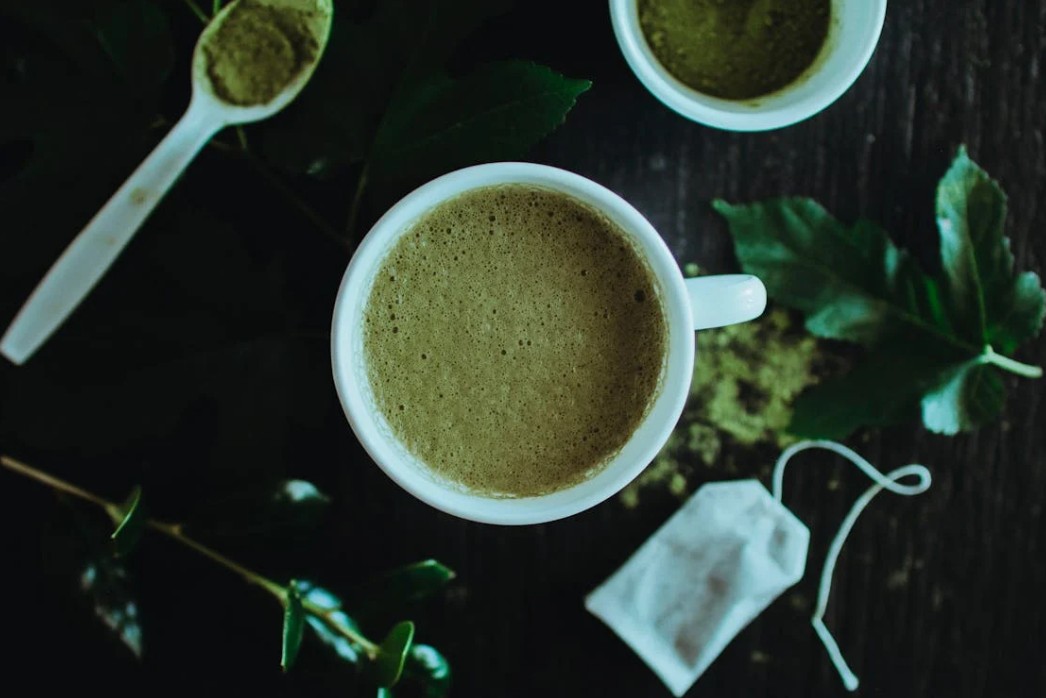
Beyond physical health, matcha offers notable mental benefits. It contains L-theanine, an amino acid known to promote relaxation without drowsiness. This creates a state of calm alertness, helping improve focus and concentration
Matcha, a finely ground powder made from specially grown and shaded green tea leaves, has emerged as a global wellness staple, prized for both its distinctive taste and its wide-ranging health benefits. Unlike conventional green tea, where leaves are steeped and discarded, matcha is consumed in its entirety, allowing the body to absorb a concentrated dose of nutrients, antioxidants and amino acids.
One of the most talked-about benefits of matcha is its potential to support metabolism and weight management. Rich in plant compounds, it may help enhance calorie burning when combined with a balanced diet and active lifestyle, making it a popular choice among those seeking natural ways to maintain fitness.
Matcha is also celebrated for its high antioxidant content, particularly catechins, which play a role in combating free radicals in the body. These antioxidants help protect cells from damage, support immunity and may contribute to slowing visible signs of ageing over time.
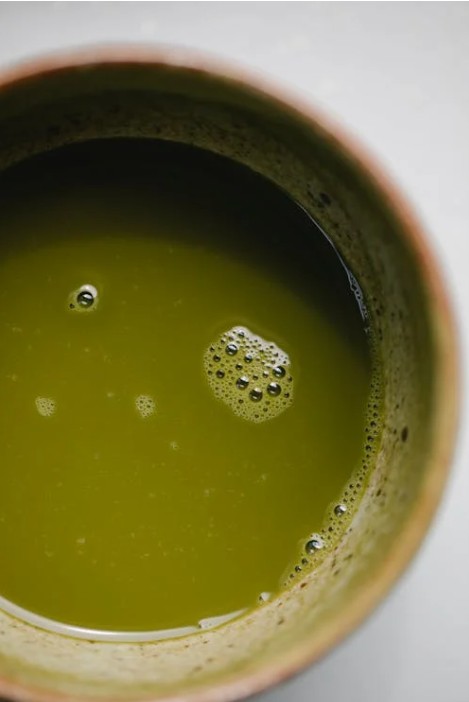
Beyond physical health, matcha offers notable mental benefits. It contains L-theanine, an amino acid known to promote relaxation without drowsiness. This creates a state of calm alertness, helping improve focus and concentration. Unlike coffee, matcha provides a more sustained energy release, reducing the likelihood of jitters or sudden energy crashes.
Heart health is another area where matcha may have a positive impact. Research suggests that regular consumption can help lower levels of LDL cholesterol and reduce triglycerides, both of which are linked to cardiovascular risk. Its antioxidant profile further supports overall heart function and long-term wellness.
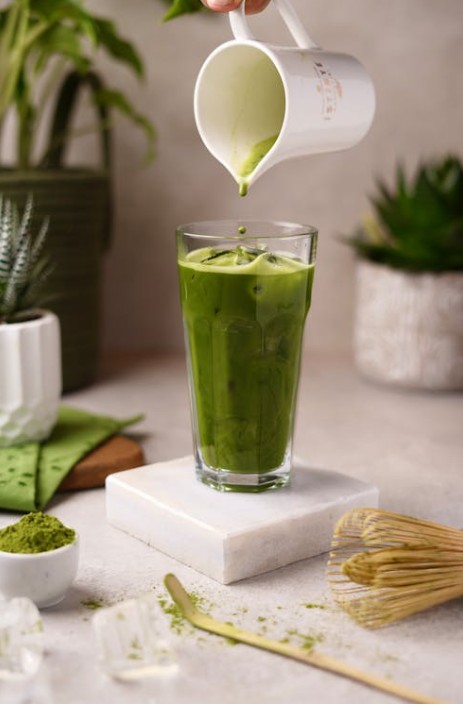
Additionally, matcha is often associated with natural detoxification. High levels of chlorophyll are believed to assist the body in eliminating toxins and heavy metals, while supporting liver function and internal balance.
While matcha offers multiple health advantages, it is best consumed as part of a varied and balanced diet, alongside professional medical guidance where necessary.