China’s ambitious Belt and Road Initiative is facing fresh hurdles across South Asia, with financial pressures, political shifts and security concerns threatening major infrastructure projects…reports Asian Lite News Desk
China’s ambitious Belt and Road Initiative (BRI) is facing mounting implementation challenges across South Asia, with economic difficulties, political changes, security threats and geographical constraints undermining several major infrastructure projects.
The challenges have become increasingly evident following China Merchants Port Holdings’ withdrawal from a $392 million joint venture to develop a logistics hub at Sri Lanka’s Port of Colombo, raising fresh questions about the long-term viability of Chinese-backed infrastructure investments in the region.
The withdrawal by the state-owned Chinese port operator highlights the difficulties of translating large-scale infrastructure commitments into sustainable economic outcomes, according to a report by Mekong News.
Recent developments have also revived comparisons with Sri Lanka’s Hambantota Port, which was leased to a Chinese company for 99 years in 2017 amid mounting financial pressures.
The project became a prominent example of concerns surrounding debt sustainability and the economic risks associated with large infrastructure investments under China’s overseas development strategy.
Pakistan, Nepal and Bangladesh face different challenges
Pakistan’s experience with the China-Pakistan Economic Corridor (CPEC) offers another example of the difficulties facing Beijing’s infrastructure ambitions.
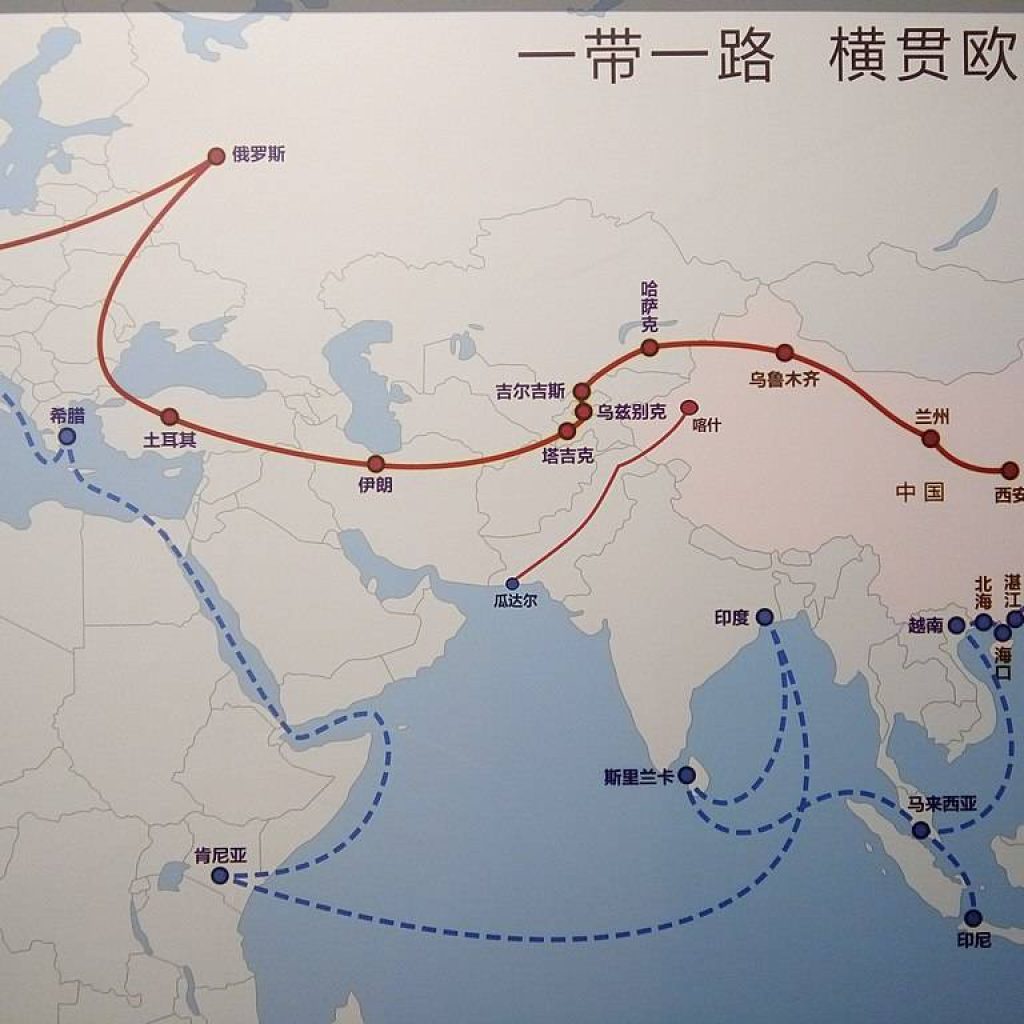
Designed to connect China’s Xinjiang region with Pakistan’s Arabian Sea coast, CPEC involves major transport and energy infrastructure projects centred on Gwadar Port.
However, economic instability, financial difficulties and liabilities in the energy sector have complicated its implementation.
Security concerns have added to the challenges, with attacks targeting Chinese nationals and infrastructure projects creating further obstacles to construction and investment.
“The broader lesson is that infrastructure investment does not automatically generate sufficient revenue to service debt or produce sustainable development. Although Pakistan remains strategically important to Beijing, close political relations have proved insufficient to guarantee the economic success of major infrastructure commitments,” the report said.
In Nepal, the difficult Himalayan terrain has emerged as a major obstacle to infrastructure development. High construction costs, financing concerns and practical difficulties associated with cross-border connectivity have restricted progress on BRI-linked ambitions to diversify trade and transport routes.
Bangladesh presents a different challenge, with political transitions influencing the country’s infrastructure priorities and international investment relationships.
Chinese investments have played an important role in supporting Bangladesh’s infrastructure and industrial development. However, changes in the political landscape have demonstrated how strategic priorities can shift with successive governments.
Bangladeshi Prime Minister Tarique Rahman’s visit to Japan this week illustrates the country’s efforts to strengthen relations with other international partners.
The report noted that close relations with an incumbent government could not necessarily guarantee the continuation of long-term strategic interests following domestic political changes.
The Maldives has also faced a wider debate over foreign influence, economic dependence and national sovereignty, with Chinese-backed infrastructure projects and closer diplomatic engagement forming part of the discussion.
As a small island nation occupying a strategically important position in the Indian Ocean, the Maldives faces the challenge of balancing economic opportunities with the need to preserve its decision-making autonomy.
It must also maintain relations with competing regional powers, particularly India and China.
“As a small island state situated in a strategically important part of the Indian Ocean, the Maldives must balance economic opportunities with the need to preserve its decision making autonomy and maintain relations with competing regional powers, particularly India and China,” the report noted.
The developments across these countries highlight the varying economic, political and geographical challenges confronting China’s infrastructure ambitions in South Asia.
While the BRI continues to offer opportunities for infrastructure development and regional connectivity, the experiences of Sri Lanka, Pakistan, Nepal, Bangladesh and the Maldives demonstrate that political partnerships and financial commitments alone may not guarantee successful project implementation.