Young climate activists are taking their demands directly to global policymakers at COP31 in Antalya, calling for a meaningful role in decisions shaping the planet’s future…reports Asian Lite News Desk
Young climate activists are stepping up efforts to influence global climate policies at COP31 in Antalya, demanding a meaningful role in decisions that will shape their future. The Children and Youth Pavilion, the only fully youth-led space at the UN climate conference, is providing a platform for the next generation to engage directly with policymakers and push for stronger climate action.
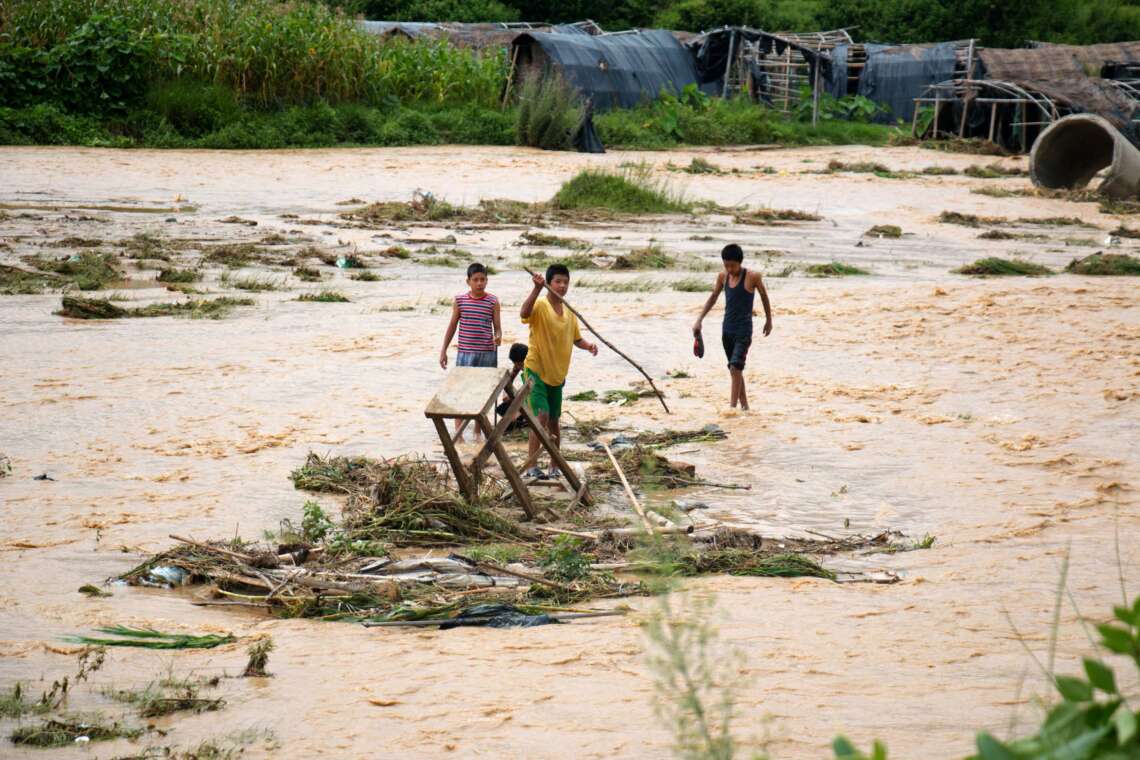
For many young people, climate change is no longer a distant threat or a challenge for future generations. It is already affecting their lives, threatening homes and ecosystems, and shaping the world they will inherit.
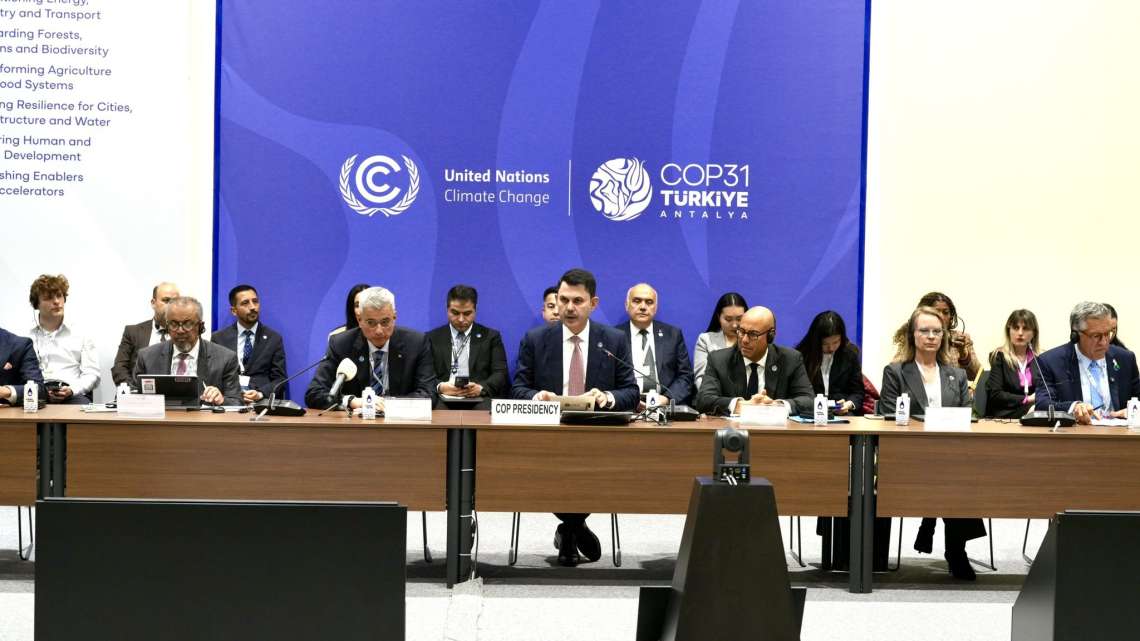
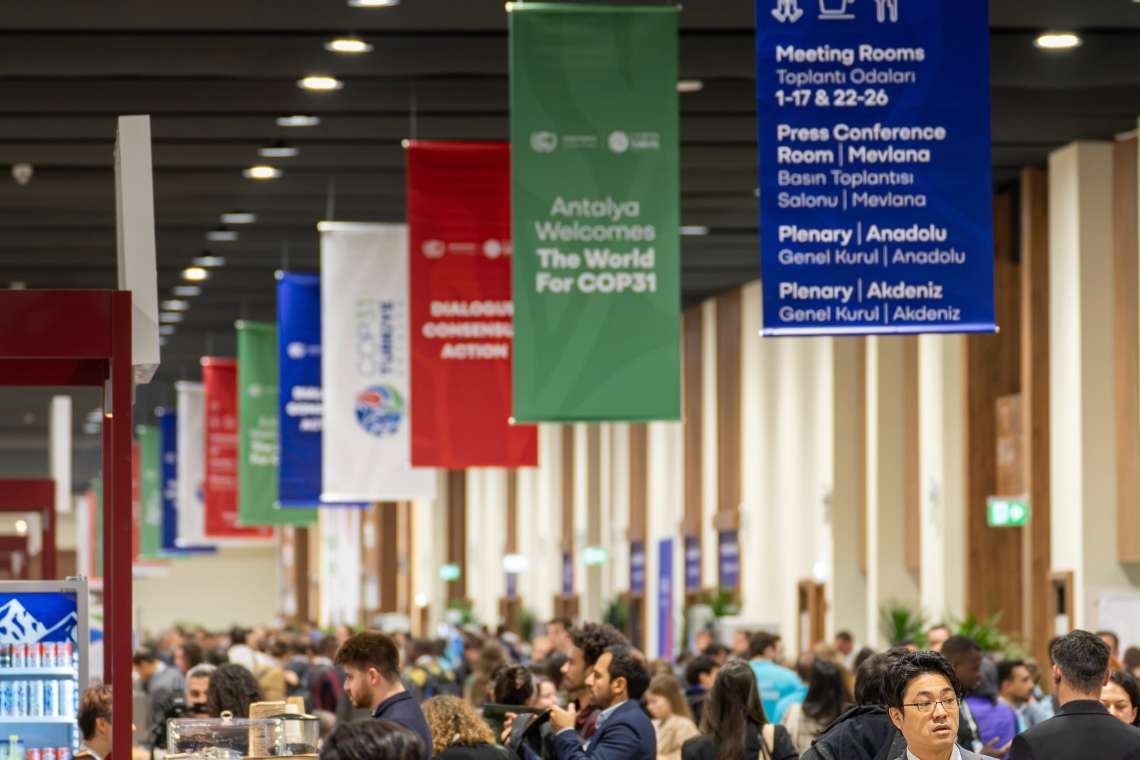
At the 31st Conference of the Parties (COP31) in Antalya, Türkiye, young activists are ensuring their concerns are heard as world leaders and delegates negotiate measures to address the climate crisis.
Marking its fifth consecutive year, the Children and Youth Pavilion has once again opened as the only fully youth-led space within the official UN climate conference. The pavilion serves as a platform for young people to engage with policymakers, exchange ideas and advocate meaningful action on climate change.
The opening ceremony brought together prominent representatives of the global climate and youth movements, including Sally Higgins and Marcele Oliveira, the COP31 and COP30 Presidency Youth Climate Champions, respectively.
Representatives of institutional partners, including UNICEF, the Children’s Investment Fund Foundation (CIFF) and the British Council, also attended the event.
However, it was the experiences and demands of frontline activists that underlined the importance of involving young people in global climate discussions.
Among those present was Brianna Fruean, a Samoan environmental activist working at the intersection of ocean and climate issues. She also serves as a Pacific Advisor to the Presidency Youth Climate Champion Team.
Fruean stressed that dedicated platforms for young people at international climate negotiations were essential to ensuring the sustainability of the climate movement.
“It’s of utmost importance to have a pavilion like this,” she said.
She argued that young people must be involved in climate negotiations because they would eventually be responsible for implementing the commitments made by today’s decision-makers.
“If there’s no youth participation in spaces such as COP (Conference of Parties), there’s no sustainability for our movement, because what is decided at this conference today is what the youth of tomorrow will need to be implementing. So how do you make plans without the implementers?” she asked.
Her remarks reflected a broader demand from the youth climate movement that young people should not merely be consulted on issues affecting their future but should have an active role in shaping climate policies and decisions.

A platform for the next generation
The pavilion’s programme brings together international organisations, including UNDP, UNICEF, Save the Children, UNOPS and the World Meteorological Organisation, alongside several youth-led groups involved in climate action.
It is also represented by 10 young spokespeople aged between 14 and 31, who bring diverse experiences and expertise to discussions covering different negotiation topics. Their participation is intended to ensure that the priorities of children and young people remain visible throughout the conference.
First established at COP27, the Children and Youth Pavilion has gradually strengthened its presence within the formal international climate process. It provides young people with opportunities to showcase their initiatives, exchange ideas and engage with the broader work of the United Nations Framework Convention on Climate Change (UNFCCC).
As delegates continue negotiations in Antalya, the pavilion is highlighting the importance of youth participation in addressing the climate crisis.
Its central message is that young people are not simply the inheritors of decisions taken today but must also be recognised as essential participants in shaping the world’s climate future.