Foreign ministers from the R4 group and France, Germany, Italy and the UK discussed regional conflicts, Houthi attacks, maritime security and diplomatic solutions in Istanbul…reports Asian Lite News Desk
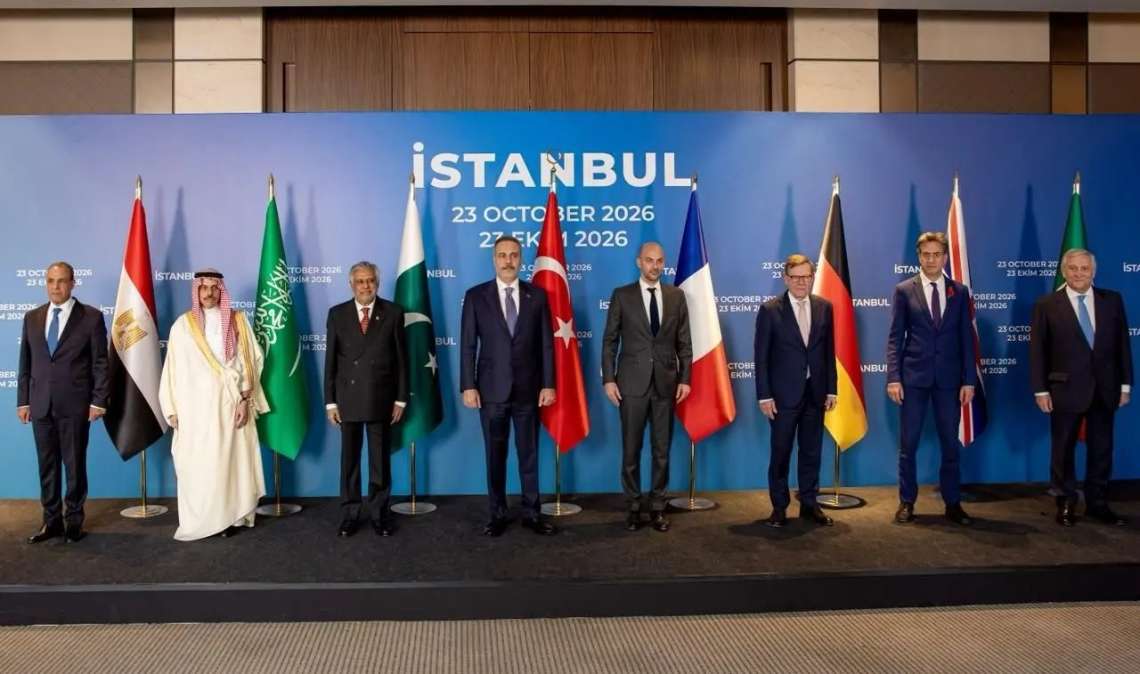
Foreign ministers from Saudi Arabia, Türkiye, Egypt and Pakistan joined counterparts from France, Germany, Italy and the United Kingdom in Istanbul on Friday to discuss escalating regional conflicts, maritime security and diplomatic efforts to restore stability across the Middle East and beyond.
The meeting on 23 October brought together the four-nation R4 group and the four European countries for talks covering the US-Israeli conflict with Iran, the Israeli-Palestinian conflict, Houthi attacks against Saudi Arabia and Yemen’s internationally recognised government, and growing concerns over freedom of navigation.
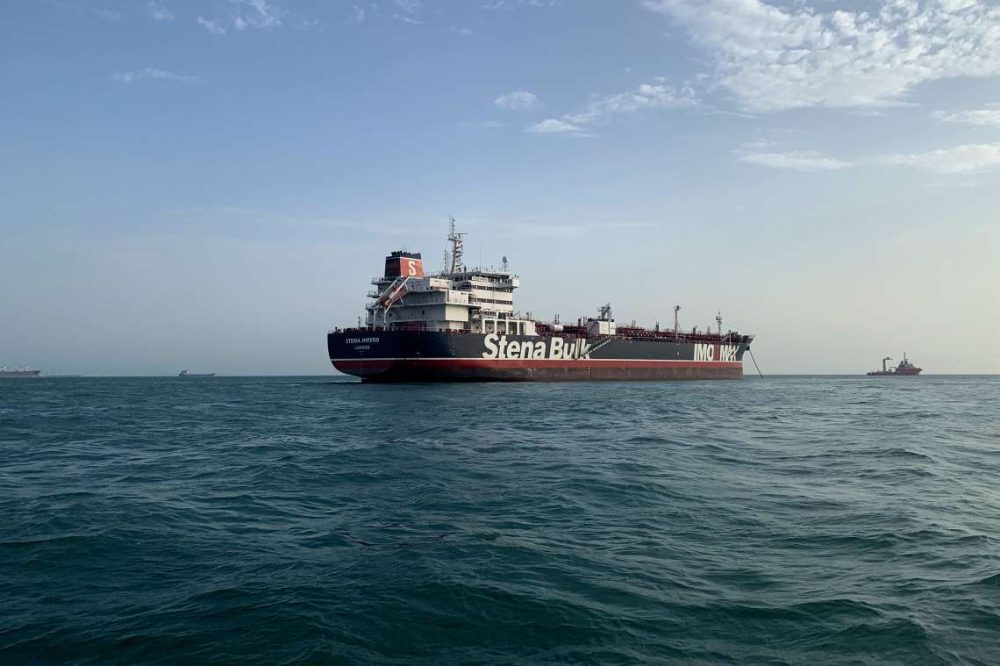
The ministers also discussed heightened tensions around the Strait of Hormuz and the Bab al-Mandab Strait, as well as security developments in the Black Sea.
In a joint statement, they stressed the urgent need to address regional conflicts through dialogue, diplomacy and de-escalation. They also called for lasting negotiated solutions to outstanding conflicts in accordance with relevant United Nations resolutions.
The eight countries pledged to continue contributing to diplomatic efforts aimed at promoting peace and stability, while addressing the wider security, economic and trade consequences of the conflicts.
They agreed to maintain consultations in the same format, with the aim of preventing further escalation and advancing regional peace.
Four nations warn of regional instability
Separately, Saudi Arabia, Türkiye, Egypt and Pakistan described the Israeli occupation as the “main source of instability in the Middle East and beyond”, calling for urgent progress towards Palestinian statehood and renewed diplomatic engagement over Iran.
In a statement following their discussions, the four foreign ministers reiterated their support for an independent Palestinian state based on the 1967 borders, with East Jerusalem as its capital. They called for the urgent implementation of a two-state solution.
The ministers also demanded an end to Israeli settlement expansion in the occupied West Bank and East Jerusalem, an immediate halt to settler attacks, and uninterrupted humanitarian assistance and reconstruction in Gaza.
They said Israeli policies had deepened perceptions of injustice internationally, reinforcing the need for a political settlement to the Israeli-Palestinian conflict.
Diplomacy urged over Iran
The R4 ministers called for renewed diplomatic efforts to prevent further escalation of the conflict involving the United States, Israel and Iran. They insisted that the crisis should be resolved “exclusively through dialogue and diplomacy”.
They also reaffirmed support for the Islamabad Memorandum of Understanding signed by Washington and Tehran in June, urging both sides to work towards a lasting negotiated settlement.
The discussions came amid reports of possible further US and Israeli strikes against Iranian nuclear facilities, energy infrastructure and missile capabilities following the US midterm elections scheduled for 3 November.
The four ministers condemned what they described as the Houthis’ “unacceptable escalation”, including attacks on civilians and vital infrastructure in Saudi Arabia and Yemen.
They reaffirmed their solidarity with Saudi Arabia and Yemen’s internationally recognised government, calling on the Houthis to halt military activities and return to negotiations.
They also condemned attacks on commercial shipping in the Red Sea and the Bab al-Mandab Strait, warning that disruption to maritime navigation threatened global supply chains and shipments of oil, food and fertilisers.
The ministers called for the swift restoration of safe, secure and unhindered passage through the Strait of Hormuz, stressing the importance of protecting international shipping.
On the sidelines of the Istanbul discussions, Saudi Foreign Minister Prince Faisal bin Farhan held separate talks with Pakistan’s Foreign Minister Ishaq Dar on bilateral relations and regional developments, particularly Yemen.
According to the Saudi Press Agency, the two ministers condemned Houthi attacks targeting civilian locations in Saudi Arabia and discussed efforts to ease tensions and safeguard freedom of navigation through the Strait of Hormuz and the Bab al-Mandab Strait.
The talks followed the signing in August of the Makkah Joint Defence Agreement by Saudi Arabia, Pakistan and Türkiye. The agreement stipulates that an armed attack against any one of the three countries is considered an attack against all three.
Pakistan has also pledged military support for Saudi Arabia amid the Houthi attacks. Defence Minister Khawaja Asif said Islamabad would use “whatever means are available” to help defend the Kingdom.