A new report warns Pakistan’s removal from the FATF grey list was premature, citing the revival of terror groups and persistent financing networks ahead of the watchdog’s February review.
Pakistan’s exit from the Financial Action Task Force grey list is under renewed scrutiny, with a fresh report warning that terror groups continue to operate and raise funds freely inside the country despite earlier assurances of reform.
Pakistan was removed from the FATF’s “jurisdictions under increased monitoring” list in October 2022, after years of pressure to clamp down on terror financing networks. But according to a new assessment by Canada-based Geopolitical Monitor, that decision now appears premature, with evidence suggesting that banned militant organisations have quietly re-established operational space.
The report highlights the continued presence of groups such as Lashkar-e-Taiba and Jaish-e-Mohammad, along with their affiliates, arguing that their ability to fundraise and function points to persistent non-compliance with global anti-money laundering and counter-terror financing standards. More alarmingly, it suggests that elements within the Pakistani state may be tolerating, or even facilitating, this revival.
The findings come at a sensitive moment, ahead of the FATF’s February plenary, where jurisdictions under monitoring are reviewed and decisions taken on further scrutiny or action. Analysts argue that the current landscape inside Pakistan mirrors many of the conditions that originally led to its grey-listing.
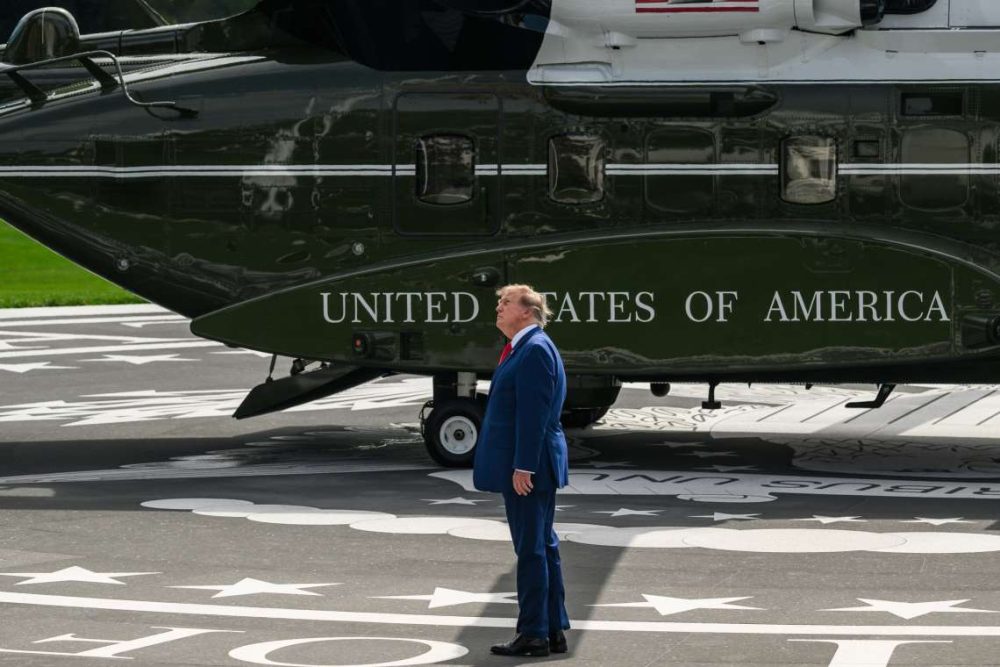
The report also flags Pakistan’s recent attempt to reposition itself as a responsible international stakeholder. At the World Economic Forum in Davos, Islamabad agreed to join US President Donald Trump’s proposed “Board of Peace”, an initiative that initially focused on overseeing the Gaza ceasefire but is now being framed as a broader platform for global governance outside traditional United Nations structures.
While the move was presented as evidence of Pakistan’s growing diplomatic credibility, Geopolitical Monitor argues that developments over the past year undermine that narrative. Unresolved terror financing risks, it says, remain a serious concern and deserve heightened attention as the FATF reassesses global compliance.
Pakistan’s removal from the grey list in 2022 followed a series of high-profile legal actions, including the sentencing of Lashkar-e-Taiba founder Hafiz Saeed to 31 years in prison by a Pakistani court. Saeed, accused of orchestrating multiple mass-casualty attacks including the 2008 Mumbai terror strikes, carries a $10 million bounty from the US State Department.
However, the charges that secured his conviction were limited to terror financing, not direct involvement in acts of terrorism. At the time, his sentencing was widely seen as a critical step towards satisfying FATF requirements, after years in which his apparent immunity had been a sticking point in Pakistan’s negotiations with the watchdog.
More than three years on, the report suggests that Pakistan has slipped back into familiar patterns. Lashkar-e-Taiba’s offshoots, including The Resistance Front, along with Jaish-e-Mohammad, are described as continuing to operate and raise funds with relative ease, raising questions about the durability of reforms promised during the FATF process.
“These developments point to a reversion of behaviour that initially drew FATF scrutiny,” the report notes, adding that the current situation warrants reconsideration of Pakistan’s monitoring status.