Pakistan’s Gwadar port has launched commercial marine bunkering but faces stiff competition from established Gulf hubs such as Fujairah and Duqm…reports Asian Lite News Desk
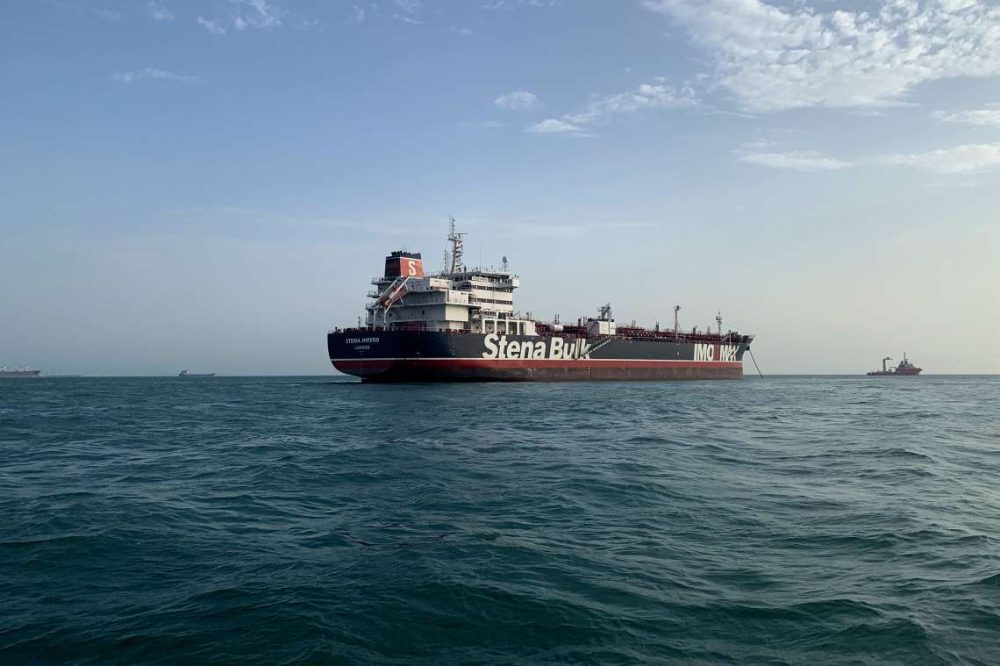
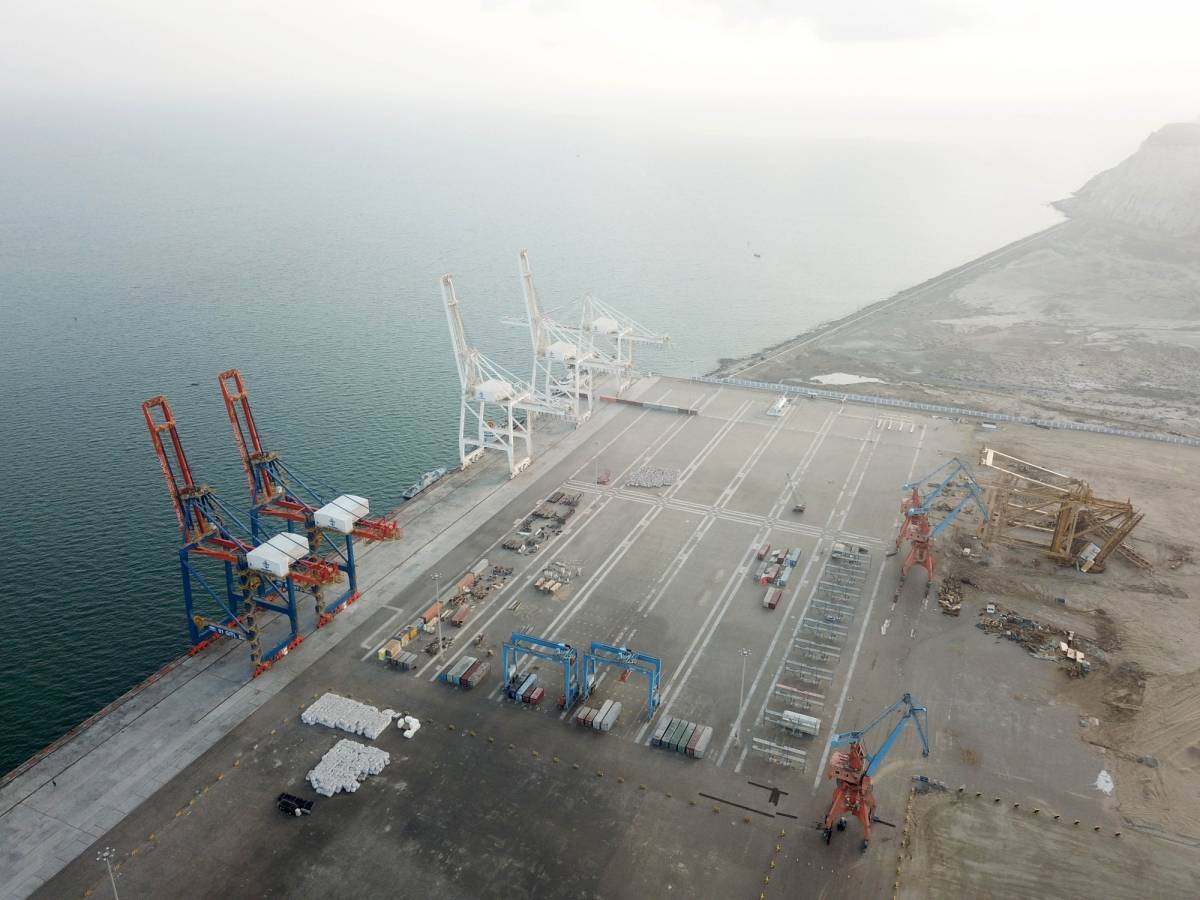
Pakistan’s Gwadar port has begun offering marine bunkering services, but its ambitions to become a major refuelling hub for international shipping face stiff competition from established ports in the Gulf, which have spent years developing their infrastructure, supply networks and commercial relationships.
According to a report by Middle East Monitor, Gwadar’s first commercial bunkering operation marks a step towards expanding the port’s role in regional maritime trade. However, attracting repeat business from international shipping companies will depend on competitive fuel prices, reliable supplies and the overall cost of calling at the port.
The Port of Fujairah in the United Arab Emirates is among the world’s three largest bunkering hubs. Its established network of fuel suppliers, storage facilities and blending infrastructure gives shipping operators access to a mature commercial ecosystem.
Fujairah also lies outside the Strait of Hormuz, allowing vessels to access its services without entering the strategically sensitive waterway. However, the report notes that Gwadar’s location does not automatically give it a comparable competitive advantage.
Oman’s Duqm port also demonstrates the importance of linking maritime infrastructure with industrial capacity. Its refinery provides a foundation for fuel-related activities, helping strengthen the port’s commercial potential.
In February 2025, OQ8, an Omani-Kuwaiti joint venture, announced that its refinery had reached throughput of 255,000 barrels per day, exceeding its nameplate capacity of 230,000 barrels per day. The development illustrates how sustained industrial production and established sales networks can support a port’s broader economic role.
Gwadar, meanwhile, is seeking to build its position by supplying fuel produced within Pakistan.
According to a July 2026 announcement by Pakistan’s Port Community System, the port’s inaugural commercial bunkering operation delivered 2,500 tonnes of very low sulphur fuel oil produced by Cnergyico. The operation was conducted by Vitol in partnership with Pakistan’s National Logistics Corporation (NLC).
Cnergyico’s coastal refining complex is located in Hub, Balochistan. The arrangement provides an outlet for domestically refined fuel to reach international shipping, potentially creating additional business for Pakistan’s energy and maritime sectors.
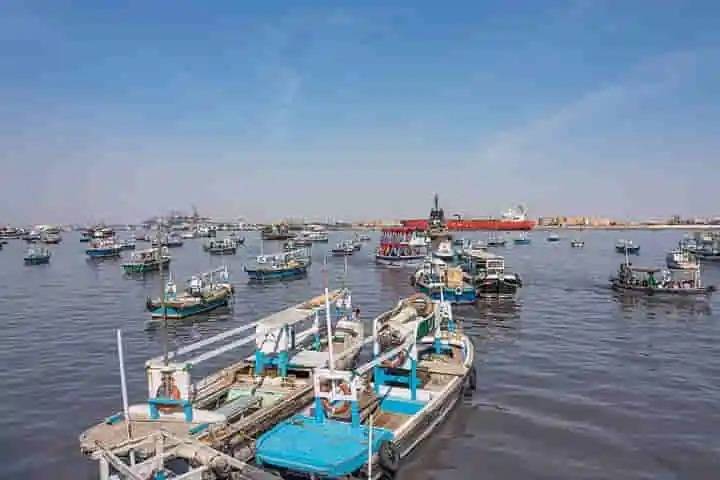
Can Gwadar Compete With Established Gulf Hubs?
The central challenge for Gwadar is converting its initial commercial activity into sustained demand. Shipping operators generally consider fuel prices, supply reliability, vessel-routing requirements and the total cost of a port call when choosing where to refuel.
Established Gulf ports already benefit from extensive supplier networks and years of experience serving international shipping companies. Gwadar will need to demonstrate that it can offer commercially attractive terms and dependable operations to persuade vessels to make regular calls.
Its geographical position also presents limitations. Oil loaded at terminals inside the Gulf must pass through the Strait of Hormuz to reach Gwadar by sea, unless it is transported through pipelines to export terminals outside the strait.
This means Gwadar’s location alone does not provide an alternative route for all energy exports moving through the region. While the port could expand its role in maritime services, fuel distribution and trade, becoming a major alternative energy export corridor would require supporting infrastructure beyond the port itself.
The development of transport links, pipelines and export facilities would be important in determining whether Gwadar could play a larger role in regional energy logistics. Without these connections, its immediate prospects are more closely tied to attracting shipping customers and building a reliable bunkering business.
Questions also remain over the pace of wider investment in the port. A proposed $10 billion Saudi refinery announced for Gwadar in 2019 had yet to attract the promised investment, according to reports published in June 2026.
The absence of progress on the proposed refinery raises questions about how quickly Gwadar can develop the industrial capacity needed to support its broader ambitions. A major refining investment could potentially strengthen fuel availability and create additional commercial opportunities, but its future remains uncertain.
Gwadar’s entry into marine bunkering provides Pakistan with a new opportunity to connect domestic fuel production with international maritime demand. However, competing with Fujairah and Duqm will require more than a strategic coastal location. Competitive pricing, dependable supplies, established commercial relationships and sustained investment will be crucial to determining whether the port can secure a lasting position in the regional shipping market.