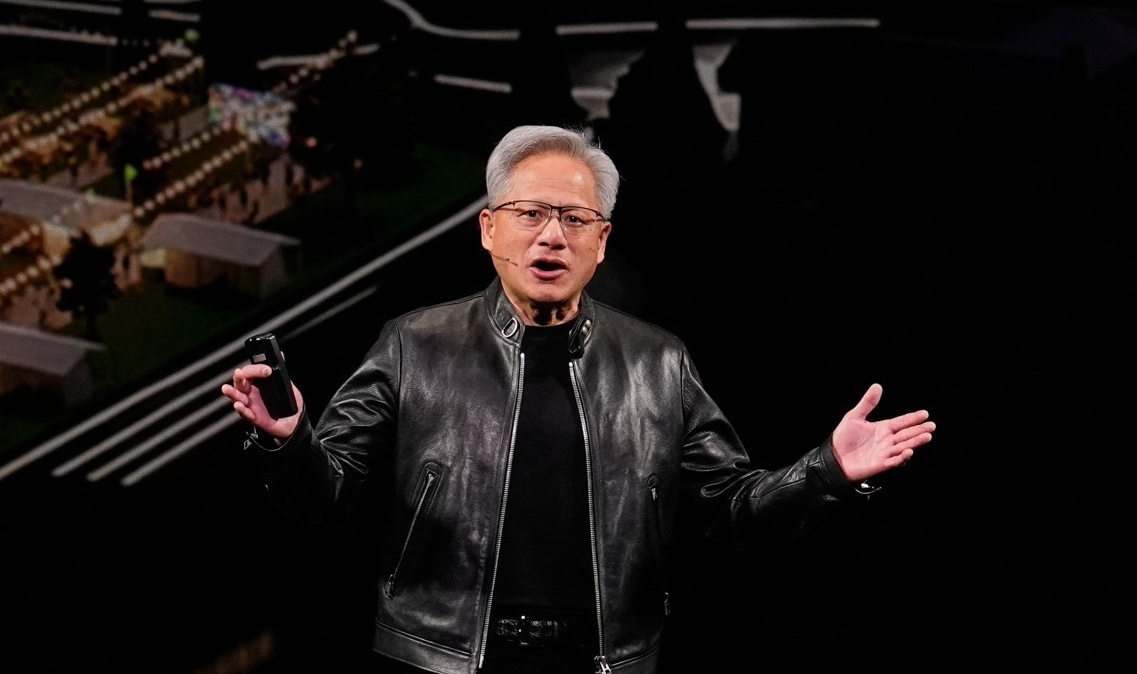
Nvidia’s leadership crisis deepens as Jensen Huang steps down, Colette Kress takes interim charge and Washington lawmakers demand answers over China-related national security allegations…reports Asian Lite News Desk
Jensen Huang has resigned as chief executive of Nvidia amid allegations surrounding his personal relationships and claims that a woman he was reportedly involved with had links to Chinese intelligence, triggering political scrutiny of the US chipmaker and uncertainty over the leadership of one of the world’s most valuable companies.
Nvidia’s board accepted Huang’s resignation on November 11, with the company announcing the leadership change on Thursday. Chief Financial Officer Colette Kress has been appointed interim chief executive while the board begins searching for a permanent successor.
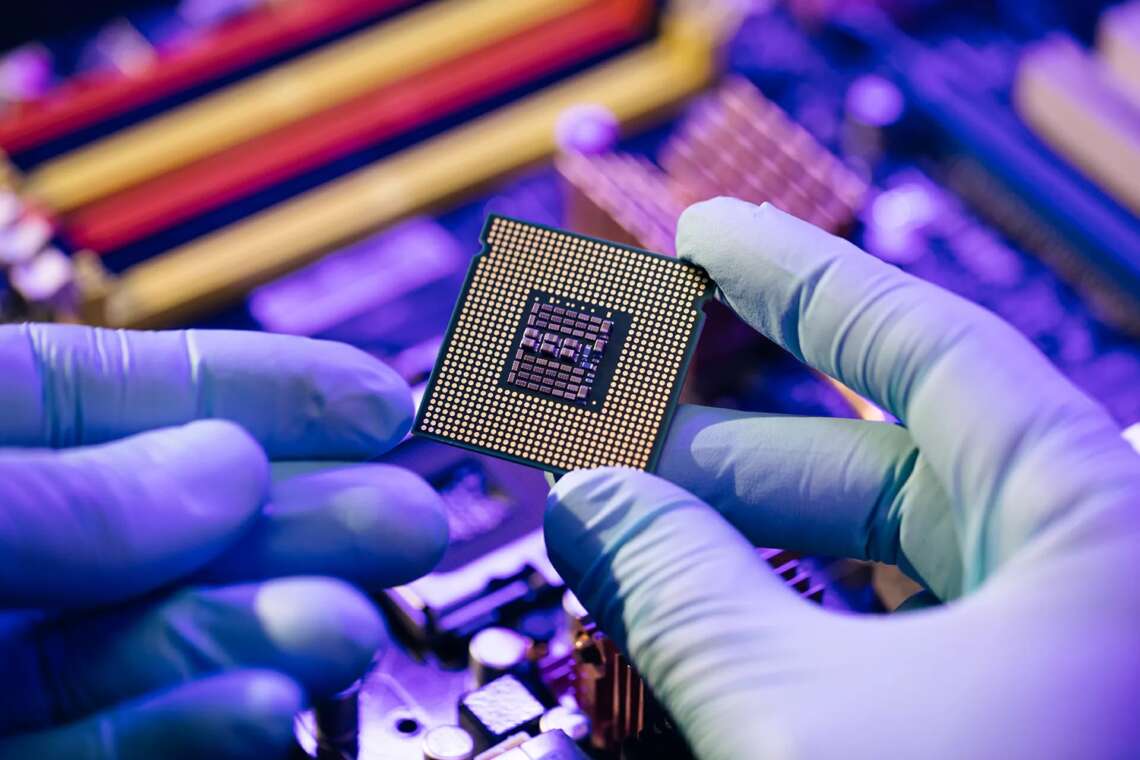
The departure comes at a sensitive time for Nvidia, whose advanced processors are central to the global artificial intelligence industry and have become a major factor in US efforts to maintain its technological advantage over China.
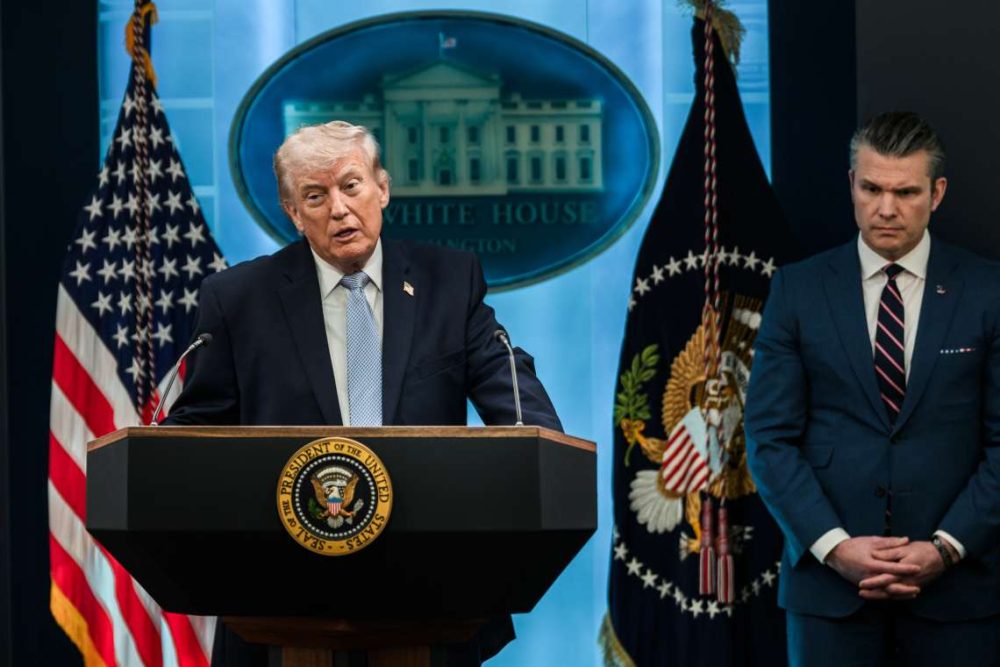
The allegations have also drawn attention in Washington because of Huang’s close relationship with US President Donald Trump and his lobbying efforts to ease restrictions on the export of advanced Nvidia chips to China.
The controversy has prompted calls from lawmakers for greater scrutiny of Nvidia’s dealings and the administration’s handling of national security concerns.
House Select Committee on China chairman John Moolenaar described Huang’s departure as a firing and called for stronger export controls to prevent Chinese companies from accessing advanced American semiconductor technology.
He said it was in the national interest for Nvidia and other US technology companies to succeed, but warned that commercial interests should not compromise national security.
Moolenaar urged Congress to include bipartisan export-control legislation in the year-end national defence bill.
Senate Democratic Leader Chuck Schumer also said Huang’s departure should not bring congressional scrutiny to an end.
He called for answers from Huang and other Nvidia executives about whether the company had put US national security at risk. Schumer also questioned what the administration knew about the alleged relationship and whether Huang’s connections with Trump had influenced any investigation.
The allegations involving a possible Chinese intelligence connection have not been established publicly. China has denied any intelligence links to the woman identified in reports as Alice Le Huang.
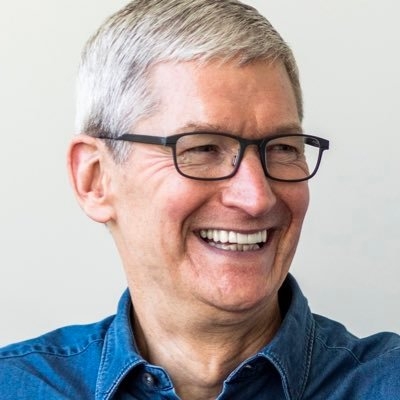
Trump backs Tim Cook
Trump intervened in the debate over Nvidia’s future leadership on Thursday, publicly endorsing Apple executive chairman Tim Cook as Huang’s successor.
“Now that Nvidia CEO Jens Huang, who has done a fantastic job, has resigned, there is only one man to take his place – Tim Cook of Apple. A Legend replaces a Legend!” Trump wrote on Truth Social.
His endorsement came after Nvidia confirmed that Kress would take charge on an interim basis. There was no indication that Cook had discussed the position with Nvidia or was interested in taking it.
The company’s board said it would consider both internal and external candidates in its search for a permanent chief executive.
Nvidia’s regulatory filing with the US Securities and Exchange Commission confirmed that Huang’s resignation as president, chief executive and director took effect immediately on November 11. The filing did not specify a reason for his departure.
Trump had previously defended Huang, describing him as an honourable man, while the wider controversy has highlighted divisions within the administration over semiconductor exports to China.
Huang had argued in favour of allowing American chipmakers to sell certain advanced processors to Chinese customers, opposing restrictions intended to slow Beijing’s progress in artificial intelligence.
Kress takes the reins
Kress faces the challenge of maintaining Nvidia’s position at the centre of the AI industry while steering the company through a period of leadership uncertainty.
She has served as the company’s executive vice-president and chief financial officer since 2013, having previously held finance positions at Microsoft, Texas Instruments and Cisco.
Nvidia board chairman Harvey Jones praised her experience and understanding of the business.
“Colette has helped lead Nvidia through a period of extraordinary growth and has a deep understanding of our business, customers, operations and financial position,” he said.
Kress joined Nvidia when it was primarily known for graphics processors used in gaming computers. She subsequently played a significant role in its transformation into a leading supplier of computing technology for artificial intelligence.
She has also been a familiar figure to investors through the company’s quarterly earnings calls and has participated in major business negotiations, including its relationship with AI developer OpenAI.
The leadership transition nevertheless comes with considerable organisational challenges. Huang had maintained a highly centralised management structure, with around 60 department heads reporting directly to him, making the succession particularly significant.
In a message to employees, Kress acknowledged the difficult period facing the company and pledged to maintain its role in the development of artificial intelligence technology.
She said the company would continue to play a vital role in building the technology powering the AI revolution.
The uncertainty has added pressure to Nvidia shares, which have come under scrutiny amid wider concerns about the sustainability of investment in artificial intelligence.
The stock was trading at $165.38 at 11.51am Eastern Time on Thursday, down approximately 4.8 per cent from Wednesday’s closing price. It had earlier fallen to $148.80.
Nvidia’s market performance carries significance beyond the company itself. Its valuation and influence have made it a major component of US stock market indexes, while the broader AI investment boom has become an important driver of market gains.
The company’s dependence across the technology sector also means any prolonged disruption could have consequences for major AI developers and investors.
Nvidia is scheduled to announce its third-quarter fiscal 2027 results on November 17.