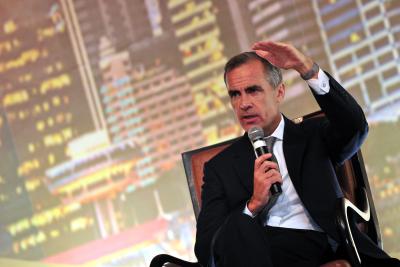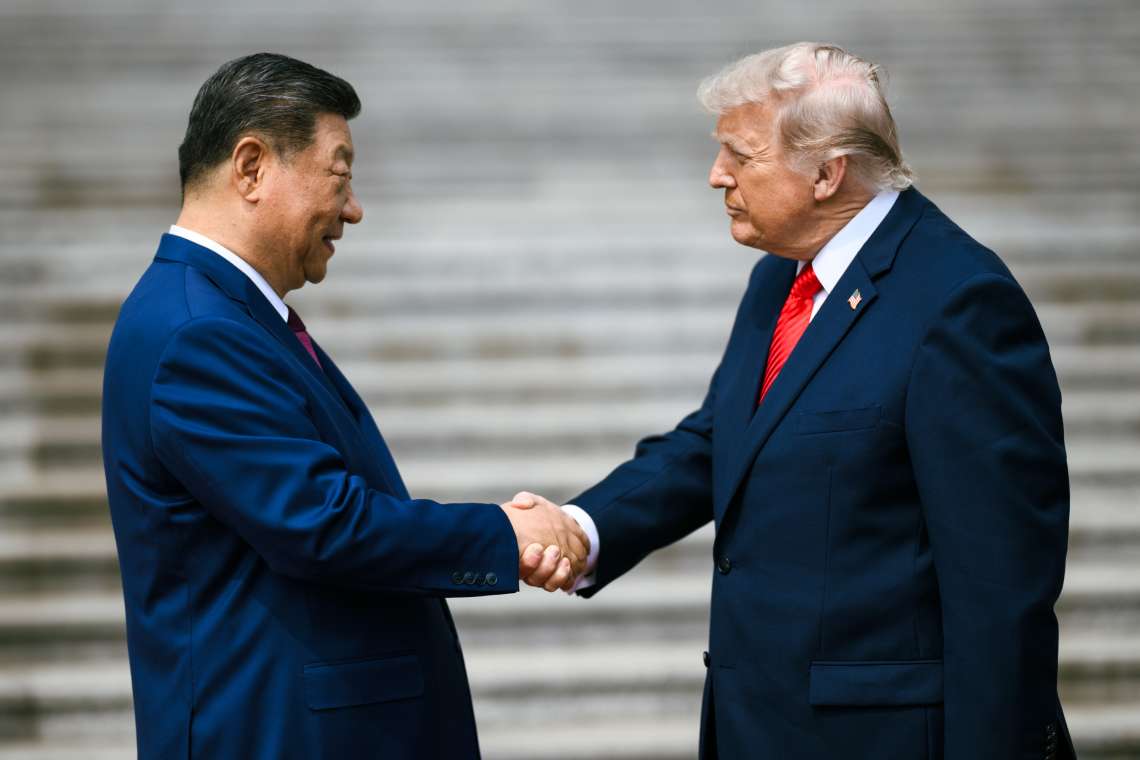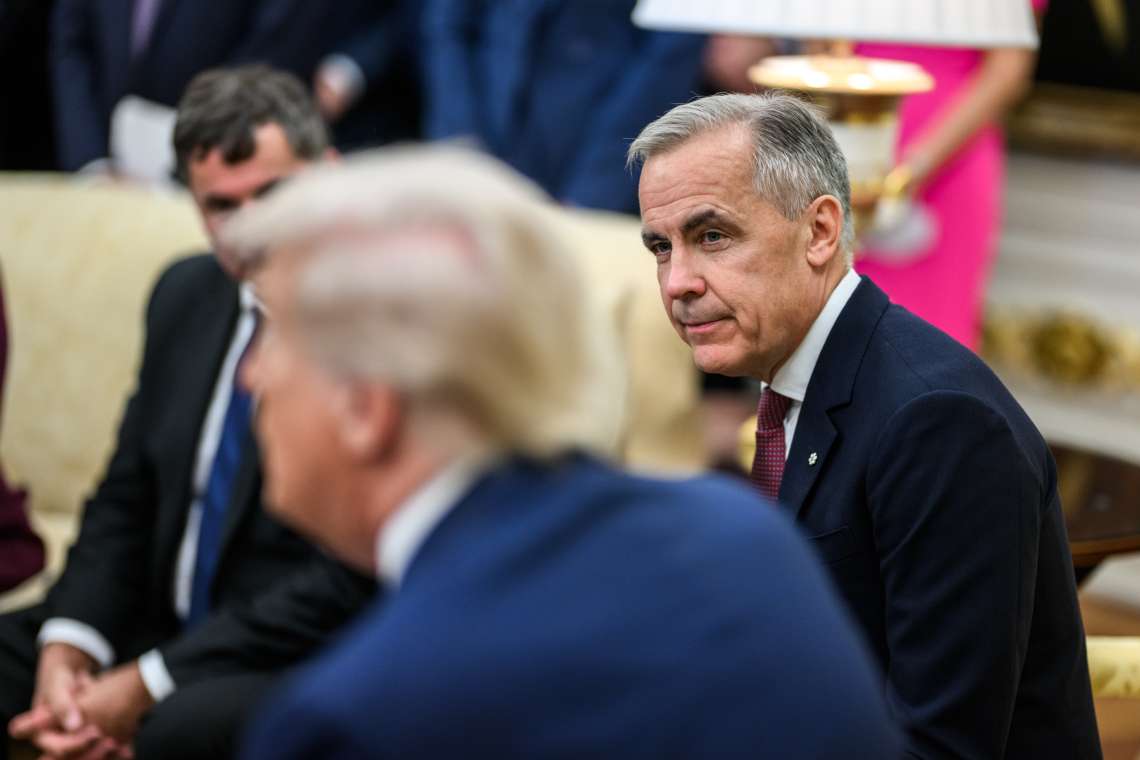
US Canada trade talks collapse after Washington imposes 50 per cent tariffs, with Prime Minister Mark Carney promising dollar-for-dollar retaliation to protect Canadian businesses, reports Asian Lite News Desk
Trade negotiations between the United States and Canada have collapsed, with Washington imposing fresh 50 per cent tariffs on nearly $28 billion worth of Canadian imports and Ottawa vowing to retaliate dollar-for-dollar.
The latest escalation came late Friday night after last-minute talks failed to resolve differences between the two countries.
At 12.01 a.m. ET, the United States imposed the new tariffs, prompting Canadian Prime Minister Mark Carney to immediately suspend negotiations and order Ottawa’s trade negotiators to return home.
Carney said Washington’s last-minute changes to its proposed terms were “unfair and uneconomic” and raised doubts over the reliability of any potential agreement.
In a statement posted on X, the Canadian Prime Minister said Ottawa would match the US tariffs dollar-for-dollar to protect Canadian workers and businesses.
“We have recognised from the beginning that America has changed, and that we will not return to our old relationship,” Carney said.
He said Canada had entered the negotiations seeking improved access to the US market and greater certainty for Canadian businesses, but had never been prepared to accept a deal “at any price or on any deadline”.
Carney said significant progress had been made in recent weeks, but it had not been sufficient to meet Canada’s objectives.
“As a result, this evening, I have decided to suspend trade negotiations with the U.S. and have directed Canada’s negotiators to return to Ottawa,” he said.
He accused Washington of making last-minute changes that undermined the negotiations after Canadian officials had worked in good faith to reach an agreement.
The Canadian government said the new US tariffs would affect roughly $28 billion worth of Canadian goods. Ottawa plans to introduce further measures to support affected workers and businesses, building on nearly $25 billion in assistance provided over the past 18 months.
Carney also signalled that Canada would accelerate efforts to reduce its reliance on the US market by strengthening domestic economic activity and expanding trade partnerships with other countries.
He said Canada was advancing nearly $500 billion in major infrastructure projects and working to open new export markets for Canadian businesses.
“Our existing free trade deals already provide Canada with preferential access to 1.5 billion consumers, and we are on track to double that market access by the end of this year,” Carney said.
He also claimed Canada’s economy was creating jobs at four times the rate of the US and that exports to non-US markets were expected to double over the next decade.
Washington, however, blamed Ottawa for the breakdown.
The US Trade Representative described the collapse as a “missed opportunity for Canada”, accusing the Canadian government of walking back previous commitments while introducing new demands.
The US said it had offered Canada preferential treatment, including significant tariff reductions for steel, aluminium, automobiles and lumber.
“Despite the US offer to Canada to receive the best treatment of any major exporter to our market, new demands and walkbacks of other commitments by Canada have upended the careful balance reached in the past days,” the US Trade Representative said.
Washington also accused Canada of maintaining retaliatory measures against American goods and services.
The US said its proposed agreement would have gone beyond tariffs, including cooperation on export controls, action against transhipment, digital trade alignment and supply-chain coordination in areas such as aerospace.
The proposal also included cooperation on critical minerals, action against forced-labour imports and plans to begin formal negotiations on the United States-Mexico-Canada Agreement.
The latest dispute comes as countries increasingly seek to diversify their trade relationships amid the Trump administration’s tariff policies.
According to Canada’s Office of the Chief Economist, Canadian exports to the US fell 3.7 per cent last year amid global economic shocks and trade tensions.
The decline was partly offset by an 11.1 per cent rise in exports to non-US markets, which now account for 32.8 per cent of Canada’s total exports, the highest share in four decades.