UAE passengers face new India health rules, heightened Saudi travel warnings and evolving airline schedules as Gulf carriers navigate a busy summer amid regional tensions, reports Asian Lite News Desk
Passengers travelling from the UAE are being urged to check the latest travel requirements before heading to the airport, with new health regulations for India-bound travellers, security advisories for parts of Saudi Arabia and revised airline operations across the Gulf influencing travel plans.
According to Gulf News report, India has introduced a mandatory digital health declaration for international arrivals, requiring passengers to complete the upgraded Air Suvidha 2.0 form before departure. The measure follows the World Health Organisation’s declaration of the Ebola outbreak affecting parts of Uganda and the Democratic Republic of the Congo as a Public Health Emergency of International Concern. Travellers must submit the online self-declaration within 24 hours of arrival and present the digital confirmation upon landing.
The new requirement applies to passengers flying from the UAE to India and forms part of enhanced health surveillance aimed at preventing the cross-border spread of infectious diseases, it was reported.
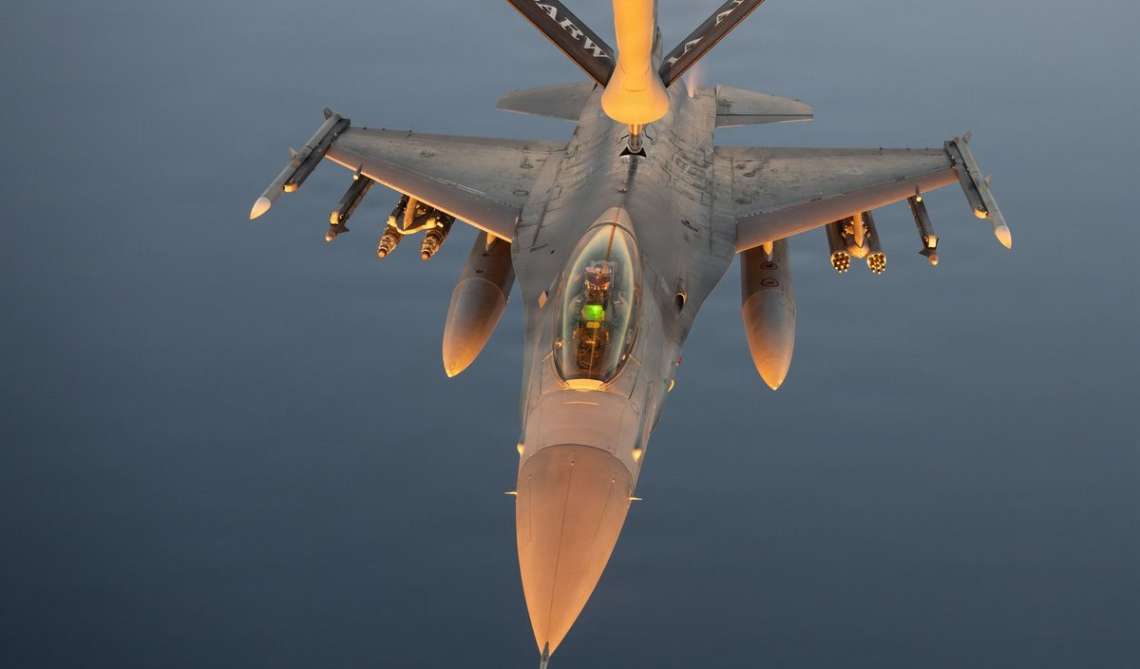
Meanwhile, travellers planning journeys through Saudi Arabia are being advised to monitor airline updates after renewed security concerns disrupted operations in the kingdom’s south-west. Several flights from Abha International Airport were cancelled after missile and drone attacks targeted the area, prompting airlines to suspend selected services while authorities assessed the situation.
Although airport operations are gradually resuming, airlines continue to review schedules, and passengers are advised to confirm the status of their flights before travelling.
Governments have also updated travel advice for the region. The UK’s Foreign, Commonwealth and Development Office continues to advise against travel near Saudi Arabia’s border with Yemen because of the ongoing threat from missile and drone attacks. Similar warnings remain in place from the United States and Canada, which caution travellers about the unpredictable regional security environment.
Despite isolated disruptions, major UAE airlines continue to operate most of their networks.
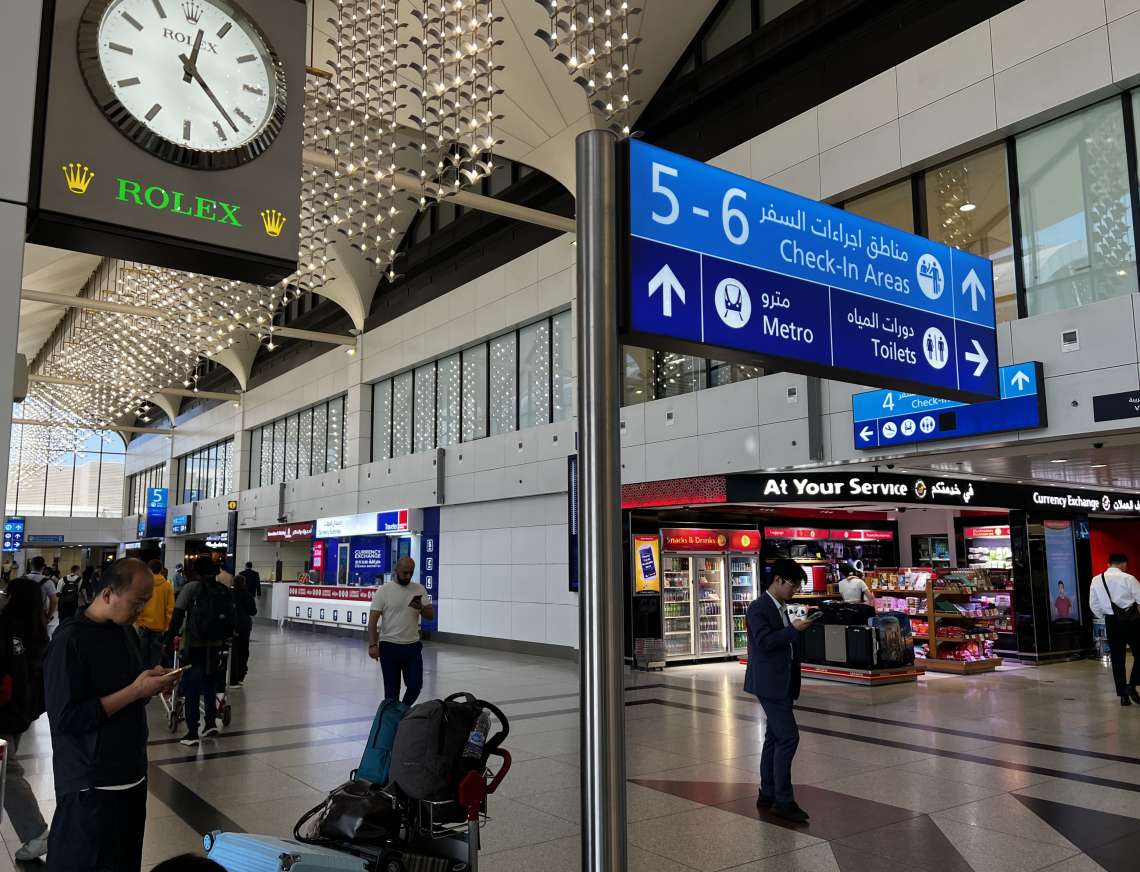
Emirates has reported strong demand during the summer travel season and expects Dubai International Airport to remain exceptionally busy over the coming weeks. The airline recently completed the refurbishment of its 100th aircraft under its fleet modernisation programme and continues to expand services across Africa, Europe and Asia.
Etihad Airways is operating its largest-ever summer schedule, with more than 300 daily flights connecting Abu Dhabi to destinations worldwide. The carrier has added new seasonal routes and increased frequencies on several popular leisure and business destinations to meet rising passenger demand.
flydubai has expanded its international network with new services, including flights to Aleppo in Syria and Bangkok, while advising passengers to arrive well ahead of departure due to increased passenger volumes at Dubai International Airport.
Air Arabia is also growing its European footprint, having recently launched services to Rome and increased flights to London Gatwick from Sharjah. The low-cost carrier says demand for summer travel remains strong from all three of its UAE hubs.
Qatar Airways continues to strengthen its global network, operating services to more than 160 destinations while increasing frequencies on several regional and long-haul routes during the peak holiday period.
Aviation analysts say airlines across the Gulf are balancing strong summer demand with the need to respond quickly to evolving security developments in the region. While most flights continue to operate normally, passengers are being encouraged to check official airline notifications, monitor government travel advisories and ensure they meet all entry requirements before departing.