Foreign Secretary Ed Miliband says climate change and nature loss must move to the heart of national security policy as environmental shocks increasingly cross borders, reports Asian Lite News Desk
UK Foreign Secretary Ed Miliband has called climate change and nature loss urgent national security threats, urging governments to place environmental risks at the centre of foreign policy, defence planning and international cooperation.
Speaking at the opening of New York Climate Week, Miliband argued that climate change could no longer be treated primarily as an environmental issue, saying its effects on energy supplies, economies, migration, food systems and geopolitical stability required a broader response from governments.
“Climate and nature loss represents an urgent national security issue and demands action equal to the scale of the challenge,” he said.
Miliband said the clean energy transition was already reshaping the global economy, pointing to projections that investment in clean energy would reach around $2.2 trillion in 2026, compared with about $1.2 trillion in fossil fuels.
He said the economic case for clean energy had increasingly been joined by an energy security argument, particularly after Russia’s invasion of Ukraine exposed the vulnerabilities created by dependence on fossil fuel markets.
He also referred to the conflict involving Iran, arguing that disruption and volatility in energy markets had reinforced the case for countries to pursue greater energy independence through clean power.
But Miliband said governments now needed to take what he described as the “next step” by recognising climate and nature loss as national security issues.
“Climate breakdown, in my view, must be an issue for foreign ministers and prime ministers, as well as energy and climate ministers,” he said. “The security community, not just the activist community, the generals, not just the green campaigners.”
Climate risks cross borders
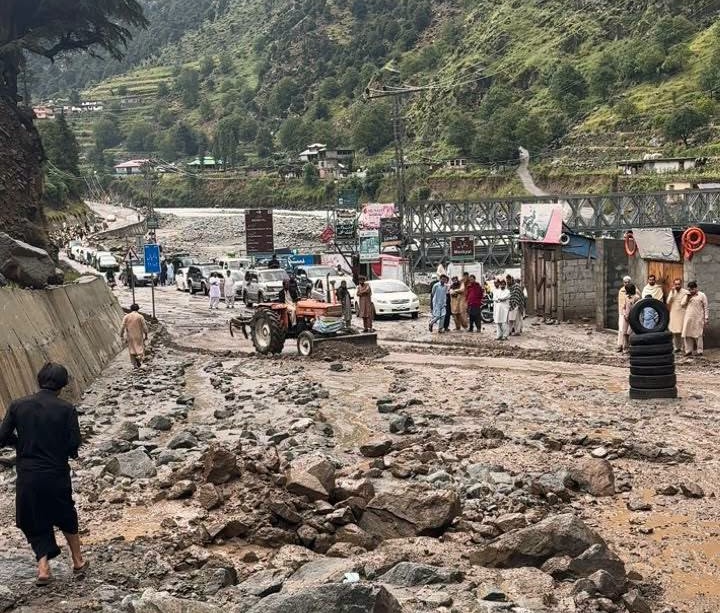
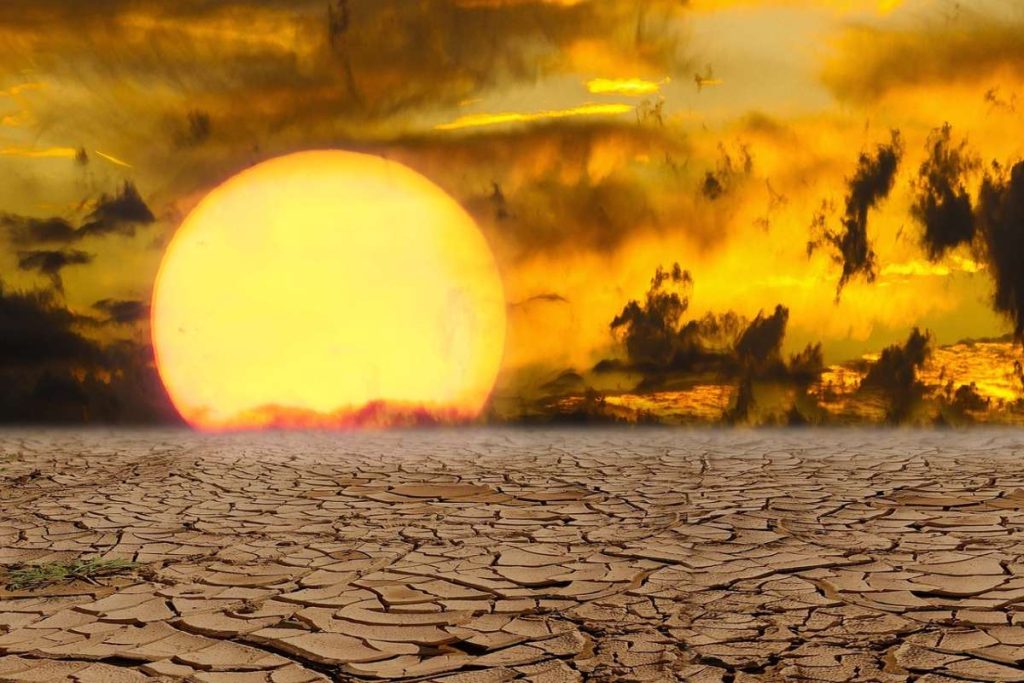
The Foreign Secretary pointed to extreme heat, wildfires, flooding and ecosystem degradation as examples of how environmental shocks can create consequences well beyond the countries where they begin.
He said climate-related disruption could spread through international supply chains, financial markets and migration patterns, making it increasingly difficult for governments to treat climate risks as isolated domestic problems.
Miliband called for climate and nature risks to be incorporated into national security assessments, contingency planning and early warning systems.
He also urged governments to strengthen infrastructure, health and food systems, disaster-risk financing and insurance so they can respond to shocks before they become full-scale crises.
The UK’s own security assessments have increasingly adopted this approach. A national security assessment published by the government in January warned that global biodiversity loss and ecosystem collapse could threaten Britain’s resilience and prosperity by disrupting food, water, health and supply chains. It also identified potential links to geopolitical instability, migration and competition for resources.
The assessment highlighted the Amazon, Congo and boreal forests, the Himalayas and coral reefs and mangroves in Southeast Asia as ecosystems of particular strategic importance to the UK because of their role in food production, climate, water and global weather systems.
In June, the government also launched its first climate-security taskforce, bringing together security, military and academic experts to examine how climate change and nature loss could affect UK national security and resilience.
UK sets out climate measures
Miliband used his speech to highlight measures taken by the UK government since last year’s Climate Week.
The government has set the UK’s seventh carbon budget at a level representing an approximately 87% reduction in greenhouse gas emissions from 1990 levels during the 2038 to 2042 period.
It has also announced an intention to invest £400 million in the Tropical Forests Forever Facility, a global mechanism designed to support the protection of tropical forests. The proposed UK contribution would be made as a loan and remains subject to final governance arrangements, due diligence and other conditions.
Miliband said the government’s clean energy programme was now central to its economic, energy-security and national-security policies.
He also said the UK would use its diplomatic network to strengthen international cooperation on climate security, including through the United Nations General Assembly, the World Bank and International Monetary Fund meetings, COP31 and Britain’s G20 presidency next year.
From climate policy to security policy
Miliband acknowledged the severity of the climate outlook but argued that progress made since the Copenhagen climate summit in 2009 demonstrated that international action could alter the trajectory.
He said the world was now heading towards around 2.5C of warming rather than the four degrees that had appeared possible in the aftermath of the Copenhagen summit, although he described the current trajectory as still deeply concerning.
His central argument was that governments have both greater knowledge of the risks and an opportunity to reduce their eventual scale.
“We know the scale of the problem,” Miliband said. “We see the climate crisis unfolding, but we have time to do something about it.”
He also defended multilateral cooperation, saying no country could tackle climate change alone.
The speech comes as climate, energy security and geopolitical tensions feature prominently in discussions among world leaders gathering in New York for the UN General Assembly’s high-level week. Climate Week NYC is running alongside those diplomatic meetings, bringing governments, businesses and civil society groups together around climate and energy policy.
Miliband said the UK’s approach would increasingly connect climate diplomacy with its wider foreign-policy work.
“This is about what makes our country safe,” he said. “This is about what makes our economies strong, and this is about what will sustain our planet and our people for future generations.”