One of the most significant pending upgrades is to Cycleway 4, which currently runs between Tower Bridge and Greenwich. Under new plans, the route will be extended further east to Woolwich, creating a 12.5km continuous stretch of protected cycle lane
London’s ever-growing love affair with cycling is set to shift up another gear as Transport for London presses ahead with major new expansions to the capital’s cycle network.
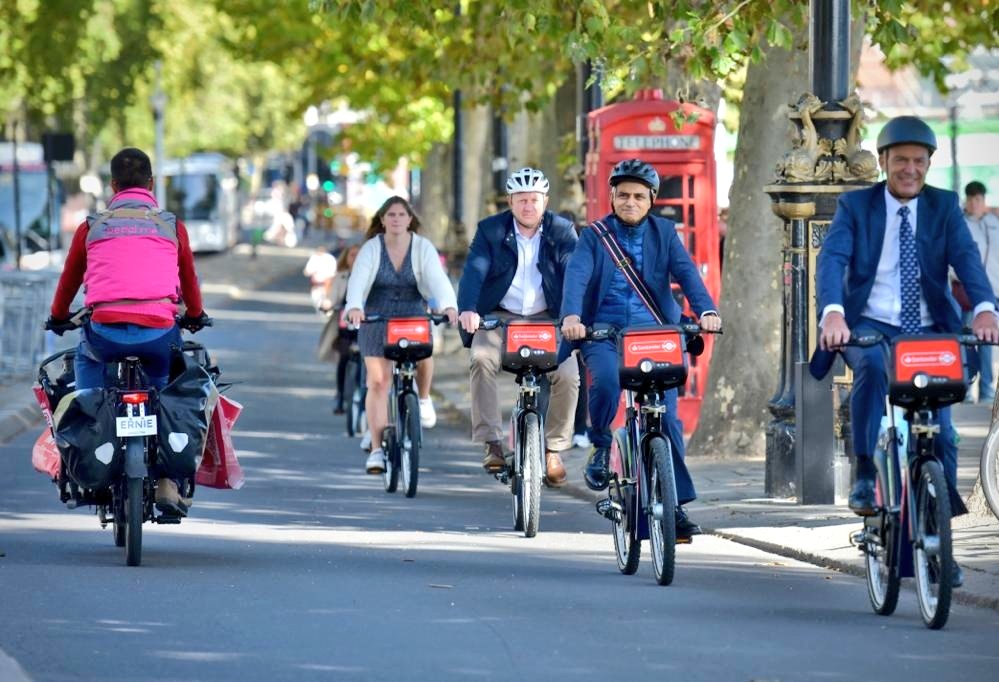
Cycling has become an unmistakable part of daily life in the city — from hire bikes lining pavements to commuters weaving through traffic on dedicated lanes. Now, the network supporting them is becoming even more extensive.
London’s cycleways currently stretch across 431km, a figure that now surpasses the length of the London Underground. The network connects residential neighbourhoods with key commercial districts and major landmarks, offering a largely continuous system of signposted and segregated routes designed to encourage safer travel.
One of the most significant pending upgrades is to Cycleway 4, which currently runs between Tower Bridge and Greenwich. Under new plans, the route will be extended further east to Woolwich, creating a 12.5km continuous stretch of protected cycle lane.
The extension will link areas including Deptford and Rotherhithe and is expected to be completed by 2027. Once finished, residents in south-east London will gain more direct and safer access to central routes, strengthening connectivity across borough boundaries.
The expansion reflects a wider surge in cycling across the capital. According to the 2025 Travel for London report, daily cycle journeys have increased by 43% over the past six years. The sharp rise coincides with significant investment in infrastructure, as the cycle network has grown from just 90km in 2019 to its current 431km span.
Transport planners view the expansion as central to London’s long-term transport strategy. By improving infrastructure and accessibility, officials hope to make cycling a viable option for more commuters, easing congestion and contributing to environmental targets.
In addition to the Cycleway 4 extension, TfL is planning a further 95km of new routes and improvements across the capital. These developments form part of a broader ambition to reach 1.6 million daily cycle journeys by 2030 — a target described by officials as ambitious but achievable if current trends continue.
The expansion also aligns with wider efforts to promote active travel and reduce reliance on cars for short and medium-distance journeys. Dedicated lanes, clearer signage and upgraded junctions are intended to make cycling safer and more appealing to new riders, including families and less confident cyclists.
While some road users have previously raised concerns about traffic flow and space allocation, cycling advocates argue that the consistent rise in usage demonstrates growing demand for safe infrastructure. The steady increase in protected routes has helped shift perceptions of cycling from a niche activity to a mainstream mode of urban transport.
With construction timelines mapped out and further extensions in the pipeline, London’s cycling landscape is continuing to evolve. If current investment levels are maintained, the capital’s network could soon become one of the most comprehensive urban cycling systems in Europe — reinforcing its position as a city increasingly designed around sustainable travel.