American tourists are set to inject billions of pounds into the UK economy this year, underlining Britain’s heavy reliance on visitors from across the Atlantic. A new analysis also points to faster growth from emerging markets, while warning of long-term risks to the country’s global competitiveness…reports Asian Lite News
US tourists are expected to bring £7.6 billion into the UK economy this year, reinforcing Britain’s position as one of the most US-dependent tourism markets in the world and highlighting both the strength and the vulnerability of the sector. Forecasts suggest the UK will remain highly reliant on American visitors, who are projected to account for more than £1 in every £5 spent by international tourists, according to a new report that underlines the scale of transatlantic travel’s contribution to national income.
The analysis, produced by VisitBritain, estimates that spending by US visitors alone will reach £7.6 billion in the current year, making them by far the single most valuable overseas market for the UK. The figures come at a time when the tourism industry is under pressure to sustain growth in the face of global economic uncertainty, rising competition from rival destinations and lingering structural challenges at home.
While the dominance of American visitors remains clear, the report also points to changing dynamics within the global travel market. The UK is expected to see a rise in tourists from emerging economies, notably China and India, as international travel patterns continue to normalise and expand. Visitors from China and India are forecast to grow by 12 per cent annually by the end of the decade, offering the prospect of a broader and more balanced base of overseas travellers if the UK can successfully attract and accommodate them.
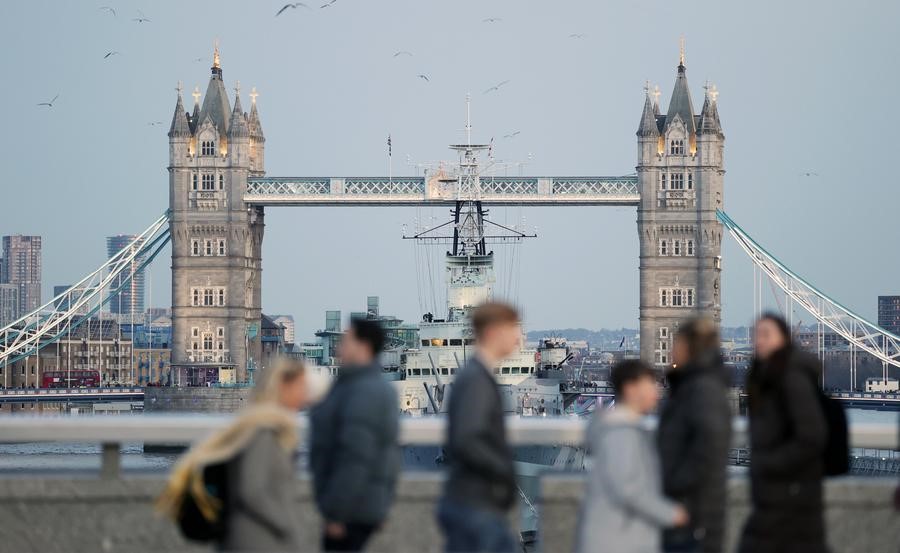
Tourism remains a significant pillar of the British economy. According to VisitBritain, the sector delivers £147 billion annually and supports around 2.4 million jobs across the country, from hospitality and transport to retail, culture and the creative industries. Spending by overseas visitors plays a crucial role within that total, helping to sustain employment and investment in cities, towns and rural areas alike.
However, senior figures in the industry have warned that the current model carries risks if it is not managed carefully. Patricia Yates, the chief executive of VisitBritain, cautioned that over the longer term the UK could lose its competitive position globally if it fails to adapt to shifting travel trends and rising international competition. She highlighted concerns that tourism activity has become too heavily concentrated in London, potentially limiting the benefits for other regions and reducing the country’s overall appeal compared with destinations that offer a wider spread of experiences.
London continues to act as the primary magnet for foreign visitors, with iconic attractions such as the London Eye drawing large numbers of tourists year after year. The capital’s global profile, transport links and cultural offer make it an easy choice for first-time visitors, particularly from the United States. Yet the concentration of tourism spending in London has long been a concern for policymakers and regional leaders who argue that other parts of the UK have untapped potential.
The government has signalled that it recognises both the importance of tourism and the need for a more strategic approach to its future growth. Stephanie Peacock, the tourism minister, confirmed that ministers will publish a joint paper with the tourism sector this spring, setting out plans and priorities for the industry. She said: “The economic contribution of the tourism sector is clear and the ambition about ensuring it can continue to grow.” The forthcoming paper is expected to address issues such as regional spread, skills, sustainability and the international competitiveness of the UK as a destination.
Industry observers note that the strong performance of the US market reflects a combination of factors, including longstanding cultural ties, the popularity of British heritage and entertainment, and the spending power of American travellers. At the same time, reliance on a single dominant market leaves the sector exposed to shifts in exchange rates, political relations and economic conditions in the United States.
The anticipated growth in visitors from China and India is therefore seen as a significant opportunity, but one that will require sustained effort. Improving connectivity, simplifying visa processes, enhancing marketing and ensuring that destinations beyond London are ready to receive international guests will all be critical if the UK is to capture a larger share of these expanding markets.
As global competition for tourists intensifies, the challenge for Britain will be to build on its existing strengths without becoming complacent. The latest figures underline the immediate benefits of US visitor spending, but they also sharpen the debate about how the tourism sector can diversify, spread its gains more evenly and secure long-term growth in an increasingly crowded global marketplace.