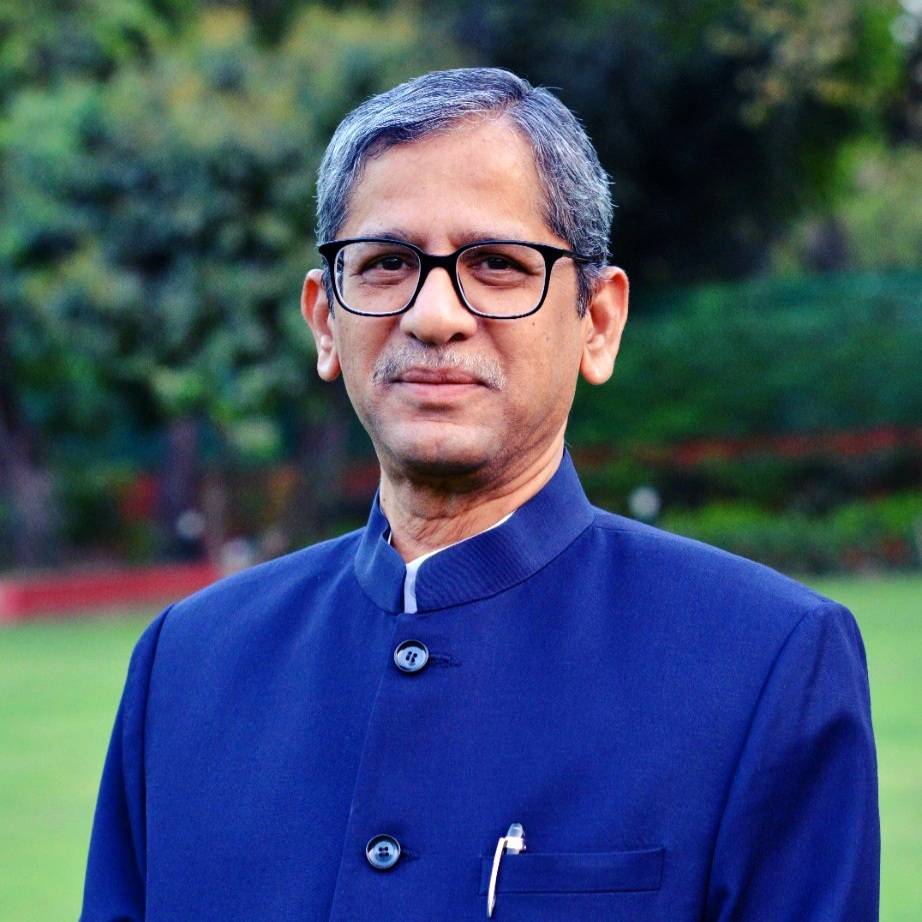
Justice Ramana was speaking at the 75th Independence Day celebrations conducted by the Supreme Court Bar Association at the top court…reports Asian Lite News.
Chief Justice N.V. Ramana pointed at the sharp difference in the quality of the debate which took place in the various Houses (Parliament or other state Assemblies) post-Independence and contemporary debates, which result in legislation having gaps, ambiguity in making laws, and absence of clarity in the laws.
He added lack of wise and constructive debates in the Houses burdens the courts with a lot of litigation and it is also difficult to fathom the intent behind the law.
Justice Ramana was speaking at the 75th Independence Day celebrations conducted by the Supreme Court Bar Association at the top court.
Citing the nature of contemporary Parliament debates, the Chief Justice said: “Now, it is a sorry state of affairs. We see the legislations. Lots of gaps; lots of ambiguity in making laws. There is no clarity in laws. We do not know what is the intent of the legislature, what purpose laws are made, which is creating a lot of litigation, inconvenience and loss to the government as well as inconvenience to the public.”
He added that this is what happens when intellectuals and professionals like lawyers are not in the Houses; and lawyers should actively participate in public life.
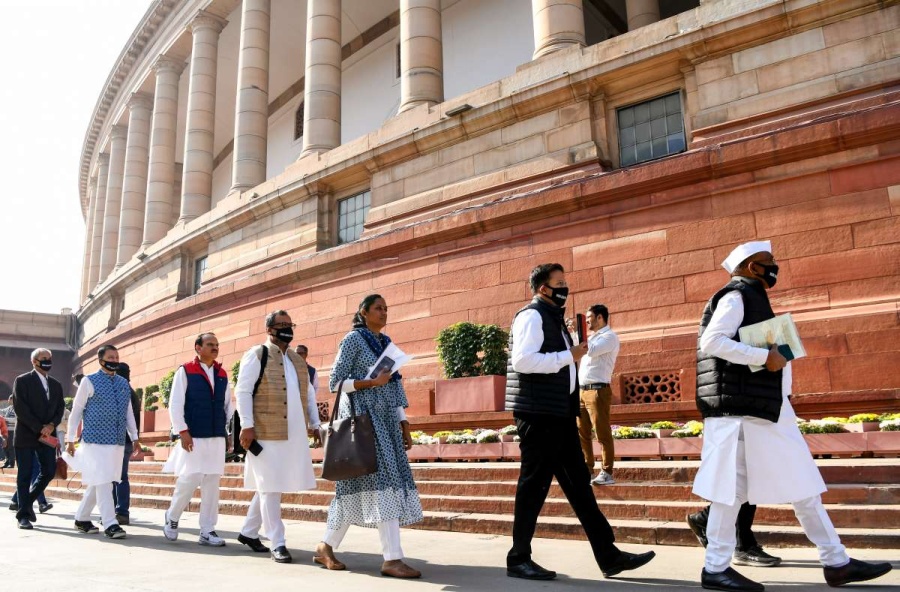
Parliament saw several adjournments in the recently concluded Monsoon session, with the Opposition cornering the government over the Pegasus spyware issue, farm laws and fuel hike.
The Chief Justice emphasized that “if you see debates, which used to take place in Houses post-Independence, were very, very wise and constructive and they used to debate any legislation, they were making.”
Citing a debate in connection with the Industrial Disputes Act, he said, “I have seen debates taking place and a CPI-M leader used to discuss elaborately — what are the consequences of making these amendments in the Act and how will it affect the working class? Same way different laws used to be discussed and deliberated. So, the burden on the courts while interpreting or implementing is less. So, we had a clear picture, what they thought; what they wanted to tell us; why they are making such a legislation,” he added.
The Chief Justice said the Independence struggle was mostly led by lawyers — Mahatma Gandhi, Jawaharlal Nehru, Sardar Patel, etc. — who not only sacrificed their profession, but also their properties, family and everything; and got Independence for the country.
“If you take into consideration the first members of the Lok Sabha, Rajya Sabha and state Assemblies. They were filled with lawyers. Unfortunately, over a period of time you know what is happening in the Houses, that is legislations, Parliament, Rajya Sabha, or any other Houses,” he added.
ALSO READ-Threat to human rights highest in police stations, says CJI
READ MORE-CJI takes Telugu route to unite couple embroiled in legal battle