The US has been pushing the Taliban to include names of former government leaders, including former President Hamid Karzai and former head of Afghanistan’s High Council for National Reconciliation, Abdullah Abdullah, reports Hamza Ameer
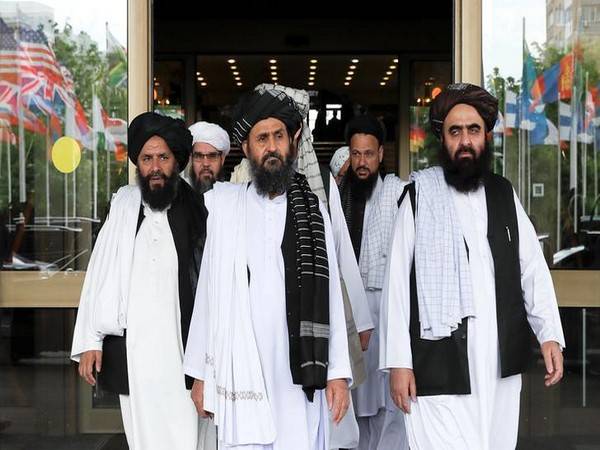
Amid discussions and meetings to announce the new government in Afghanistan, which the Taliban say will be inclusive, the world is cautiously keeping an eye on the developing situation in the war-torn nation.
The Taliban have said that they are planning and working towards an inclusive caretaker government in Afghanistan, which would include leaders from all the ethnicities and tribal backgrounds.
As per Taliban sources, over a dozen names are under consideration to be made part of the new government. However, as a caretaker government is being formed, the duration of its stay in office is still not known.
“The caretaker government will have an ‘Amir ul Mominees’ (supreme leader), who will lead the Islamic Emirates of Afghanistan (IEA),” said a Taliban source.
For this purpose, a supreme leader council has been convened to finalise the ministers and the government.
As per initial information, the ministries in the new government will include the following: Internal security; Defence; Foreign Affairs; Finance; Information; Judiciary; Special assignment for Kabul Affairs.
The ongoing discussions for the formation of the government started from Kandahar, which was followed by final contemplations that are underway in Kabul.
Mullah Abdul Ghani Baradar, co-founder of the Taliban, and Mullah Mohammad Yaqoob, son of Taliban founder Mullah Omar, are the key heads of the council and are expected to be the ones leading the new setup.
Sources also revealed that introduction of new faces will be done in the new government, which would include sons of Tajiks and Uzbek tribal leaders.
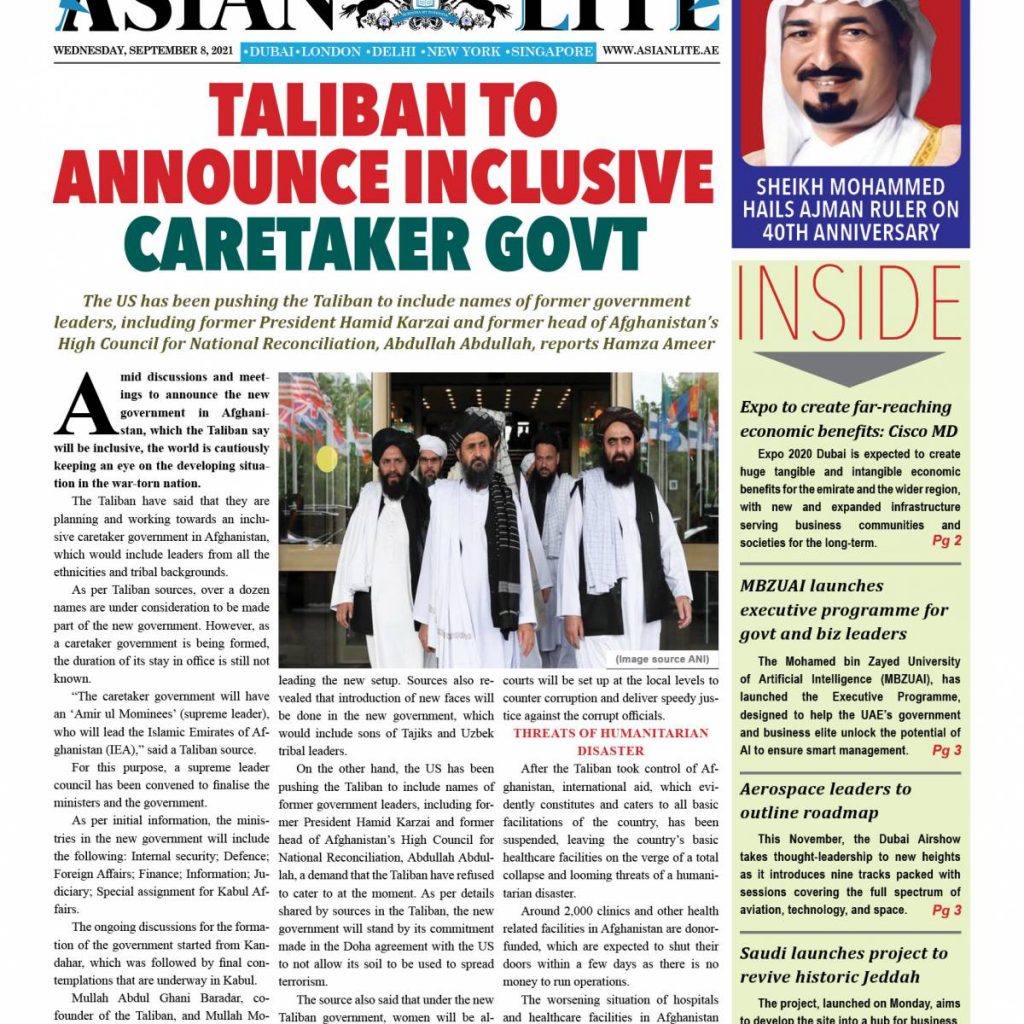
On the other hand, the US has been pushing the Taliban to include names of former government leaders, including former President Hamid Karzai and former head of Afghanistan’s High Council for National Reconciliation, Abdullah Abdullah, a demand that the Taliban have refused to cater to at the moment.
As per details shared by sources in the Taliban, the new government will stand by its commitment made in the Doha agreement with the US to not allow its soil to be used to spread terrorism. The source also said that under the new Taliban government, women will be allowed to work in various sectors, including health and education.
The sources also revealed that special courts will be set up at the local levels to counter corruption and deliver speedy justice against the corrupt officials.
Threats of humanitarian disaster
After the Taliban took control of Afghanistan, international aid, which evidently constitutes and caters to all basic facilitations of the country, has been suspended, leaving the country’s basic healthcare facilities on the verge of a total collapse and looming threats of a humanitarian disaster.
Around 2,000 clinics and other health related facilities in Afghanistan are donor-funded, which are expected to shut their doors within a few days as there is no money to run operations.
The worsening situation of hospitals and healthcare facilities in Afghanistan and no sight of foreign aid, may just leave millions of locals from facilitation of access to primary or secondary healthcare.
“The closure, amounting to 90 per cent of clinics funded by a World Bank administered donor pot, would also leave only a fraction of Afghanistan’s Covid-19 isolation beds still operating”, said the World Health Organisation (WHO).
Doctors and healthcare nurses at the Kabul Emergency Hospital say they are running out of medicines, basic and emergency needs of critical patients in the ICU.
“Medicines, drips, injections and even swabs are ending in the hospital. We will not be able to treat the patients in the coming days. The patients admitted in the hospital will be left with no medication”, said a doctor working at the Kabul Emergency Hospital.
World Bank and other major donors, inject over $600 million to the Sehatmandi programme in Afghanistan, which forms the driving force behind the country’s aid dependent health system. However, after the Taliban takeover, the donors have frozen aid payments to Afghanistan.
ALSO READ-Massoud calls for Afghans to stand together against Taliban