October 25, 2021
3 mins read

UAE banking industry is in recovery mode: UBF Chief

CBUAE’s timely and integrated measures to support the financial system helped shield the UAE economy from the pandemic’s impact and accelerated post-COVID recovery…reports Asian Lite News

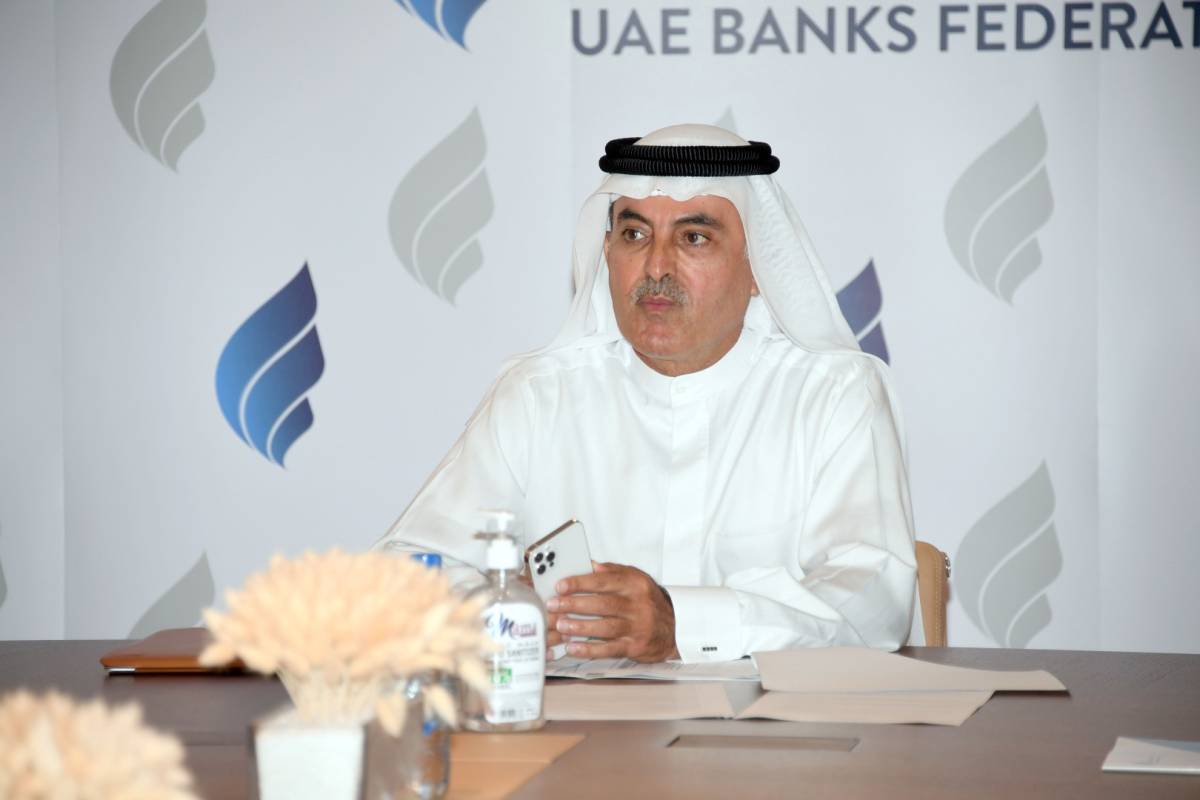
CBUAE’s timely and integrated measures to support the financial system helped shield the UAE economy from the pandemic’s impact and accelerated post-COVID recovery, said Abdul Aziz Al Ghurair, Chairman of UAE Banks Federation (UBF).

During a press meeting – his first since the UAE eased COVID-19 restrictions – during which he addressed a number of topics related to the post-pandemic recovery and growth of the UAE banking sector.

Topics of discussion included the banking sector’s achievements during and post-COVID 19, progress made by UAE banks on the Emiratisation process, collective efforts by UBF members to achieve the goals set out in the government’s “Projects of the 50” initiative, impact of Expo 2020 Dubai on the banking industry, and the expectations for UAE banking sector’s performance in the second half of 2021.

Al Ghurair said, “CBUAE’s timely and integrated measures to support the financial system helped shield the UAE economy from the pandemic’s impact and accelerated post-COVID recovery.”

“In total, the UAE dedicated a support package reaching AED 400 billion, of which the CBUAE gave banks total relief package that exceeded AED 250 billion. In particular, the AED 100 billion Zero Cost Facility benefited both individuals and businesses and facilitated liquidity management for banks through collateralised funding at zero cost. To date, the TESS loan deferral program made by CBUAE benefited hundreds of thousands of retail customers, tens of thousands of SMEs, and thousands of private sector companies.”

Reaffirming the banking sector’s commitment to Emiratisation and the “Projects of the 50” initiative, Al Ghurair said, “UBF will take on an enhanced role in facilitating skill development and employment opportunities for UAE Nationals in line with the goals envisioned in ‘Projects of the 50’, which is a landmark initiative that sets out a roadmap for a new era of economic development. We believe in investing in Emirati population, who are the ones that will drive the next stage of our country’s growth and economic transformation.”

“In the long term, our focus goes beyond just creating job opportunities for Emiratis and extends to providing them with the resources and training they need to become financial sector’s leaders of tomorrow, so they find themselves able and prepared to shape the future of UAE economy,” he added.

ALSO READ: India and Israel within Quartet with US and UAE

He observed that demand for loans had gone up in the lead-up to Expo 2020 Dubai – which he identified as a key factor driving post-COVID recovery of UAE banking sector and the country’s economy more generally – and is expected to pick up more pace over the coming months. He expressed optimism that many companies visiting the UAE for Expo 2020 may transfer part of their business activities to the UAE and start new investments here, resulting in new business for banks.

Commenting on the strong Q2 financial results of UAE banks, Al Ghurair said that the positive results are an indication that the banking industry is in recovery mode, after having been in decline globally due to COVID-19. He added that he expects UAE banks to maintain their growth momentum in the second half of the year, driven by improvements in operating conditions, cost efficiency, and credit demand.

UBF Chairman also shared his views on UAE’s new visa guidelines, observing that “the decision to liberalise residency guidelines is a landmark step that will stimulate the UAE’s economy by attracting visitors and investment and lay the foundation for growth for the coming decades”.

He explained that the UAE is always striving to create a positive environment for investors, and as the human factor is a key part thereof, such visa guidelines were approved by the leadership of the UAE to promote such investment environment.

Previous Story

UN Marks 76 Years of Creating Hope

Next Story

Coffee Man Says Adieu

Previous Story

UN Marks 76 Years of Creating Hope

Next Story

Coffee Man Says Adieu

Latest from -Top News

Pakistan Risks Overstretching Itself in Yemen War

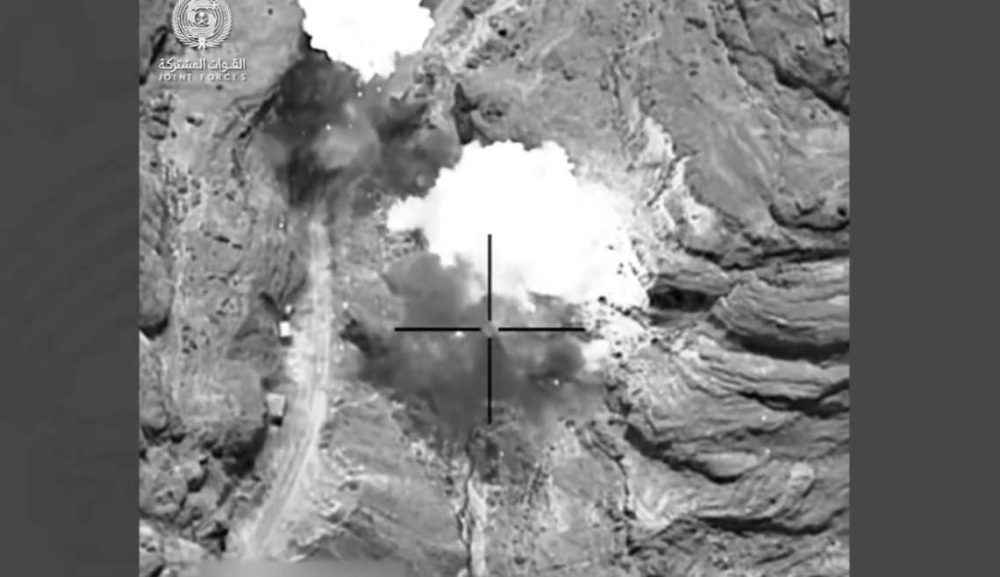
Pakistan’s expanding military role in Saudi Arabia amid the Yemen conflict could strain its defence resources and fragile finances…reports Asian Lite News Desk Pakistan’s military involvement in the war in Yemen may prove unsustainable because of mounting financial pressures and competing security demands, according to a new report. Islamabad’s growing military presence in Saudi Arabia risks stretching its defence resources while exposing the country to greater strategic and economic challenges. An article by Andrew Wilson in One World Outlook describes Pakistan’s involvement as a case of “fiscal and strategic overreach”, arguing that the country lacks the financial flexibility to sustain an expanded military commitment. Pakistan’s external finances depend heavily on an International Monetary Fund (IMF) programme, financial support from Gulf countries and remittances from Pakistani workers in the region. The report argues that deeper military involvement in the conflict could place additional pressure on these sources of financial stability. It also warns that deploying troops and military equipment abroad could weaken Pakistan’s capacity to address security challenges along its eastern border and deal with two domestic insurgencies. The move could also draw Islamabad into a conflict it has sought to approach cautiously. A Reuters report in May, citing Pakistani security and government sources, said Islamabad had deployed around 8,000 troops, a squadron of approximately 16 aircraft, mostly JF-17 fighter jets, two drone squadrons and a Chinese HQ-9 air-defence battery to Saudi Arabia. According to those sources, Riyadh was financing the deployment, with Pakistani personnel operating the equipment. The sources also said a confidential agreement contemplated the possibility of deploying up to 80,000 troops. Islamabad has not confirmed those figures, although it has acknowledged its military presence in Saudi Arabia, including the deployment of fighter jets at King Abdulaziz Air Base from April. The One World Outlook article argues that Saudi financial support can cover allowances and operating expenses but cannot easily replace military equipment needed elsewhere or resolve the political and strategic challenges of participating in the Yemen conflict. Pakistan’s defence budget is another concern. For the 2026-27 financial year, the federal government allocated PKR 3 trillion, or approximately $10.8 billion, to defence services. The allocation represents an 18 per cent increase from the original PKR 2.55 trillion provision and amounts to around 2.1 per cent of projected gross domestic product (GDP). Defence spending accounts for approximately 16 per cent of the federal government’s PKR 18.8 trillion expenditure. Military pensions are budgeted separately at PKR 822 billion, while debt servicing costs stand at approximately PKR 8 trillion, more than two-and-a-half times the defence allocation. The report argues that these competing financial obligations leave little room for additional military expenditure without placing further pressure on public finances. Pakistan’s reliance on IMF assistance also limits its fiscal flexibility. The country must meet the conditions attached to the programme, including a primary budget surplus target of 2 per cent of GDP and continued restraint on development spending. According to the article, these requirements make it difficult for Islamabad to finance an additional military commitment without compromising other budgetary priorities. Pakistan’s economic indicators offer limited reassurance. Economic growth for the 2025-26 financial year is estimated at between 3.6 and 3.7 per cent, while inflation reached approximately 10.3 per cent in September following an energy price shock. Foreign exchange reserves stood at around $21.5 billion at the end of September. Although this marks an improvement from the low levels recorded in 2023, the report notes that the reserves cover only a few months of imports. Financial assistance from Gulf partners remains central to Pakistan’s external stability. The article says Islamabad holds approximately $8 billion in Saudi deposits at its central bank. In July, the State Bank of Pakistan said Riyadh had extended the maturity of $5 billion in deposits to December 2028, easing the country’s immediate external financing requirements. A further $3 billion deposit was also extended in the spring. However, the article argues that these arrangements provide temporary relief rather than long-term financial independence, particularly as regional conflict threatens the stability of the Gulf economies on which Pakistan relies. The report concludes that Pakistan faces a difficult balance between supporting Saudi Arabia militarily and preserving the financial and military resources needed to address its domestic and regional challenges.
Go toTop

Don't Miss

Sharjah gears up for Entrepreneurship Festival

SEF 2024 will cover a spectrum of entrepreneurial topics, from

Dubai consolidates status as world’s Web3 capital

The emirate is rapidly making headway with its metaverse strategy,