October 29, 2024
5 mins read

Minimum wages to rise by 6%

Rachel Reeves is expected to announce an increase above inflation and even higher than what had been predicted last month…reports Asian Lite News

The national minimum wage is to increase by up to 6% next year, with more than 1 million low-paid workers in line for a pay rise.

Rachel Reeves is expected to announce an increase above inflation and even higher than what had been predicted last month. Ministers, who will herald the rise as good news for working people, said that 18- to 20-year-olds ought to eventually be paid the same as older workers, according to a recommendation first reported in the Times.

About 1.6 million people are in line to receive the “national living wage” of £11.44 an hour, the minimum wage for those 21 and over – rising to more than £12.12 after ministers promised to “raise the floor” on wages.

However, businesses are warning that the expected rise will be announced alongside an increase in the national insurance contributions they must pay on wages.

The national living wage must not drop below two-thirds of median earnings, ministers have told the Low Pay Commission. The target was set by the Tories and achieved this year after almost 10 years of above-inflation increases.

The commission said last month that it expected to recommend an increase of 5.8% but a source confirmed that the final figure could be up to 6%.

Nye Cominetti, the principal economist at the Resolution Foundation, said: “Millions of low earners are set for good news in the budget when the chancellor announces the latest rise in the minimum wage.

“A bigger surprise is the expected increase in employer national insurance contributions. As a result of the two together, some businesses will legitimately say that their wage costs have gone up quite a bit as a result of this budget,” he added.

Tina McKenzie of the Federation of Small Businesses said: “It is businesses that pay people’s wages, plus all the tax government charges on top, which must be factored in when deciding on the living wage rate.”

However, Paul Nowak, general secretary of the TUC, said: “At a time when the cost of living is still very high the lowest paid would really benefit from a decent increase in the minimum wage. We know that low-paid workers spend more of their cash in their local economies. So any increase in their spending power will benefit local firms too.”

He added: “Every time the minimum wage goes up there are some voices who predict this will drive up unemployment. Every time they are wrong.”

A Treasury spokesperson said: “We do not comment on speculation around spending decisions or tax changes outside fiscal events.”

‘Budget will end neglect of broken not beaten NHS’

The budget will revive a “broken but not beaten” NHS, Labour ministers have said, with billions of pounds of funding to be announced in an effort to cut record waiting lists.

The chancellor, Rachel Reeves, said measures to be announced on Wednesday would “end the neglect” of the health service, delivering more surgical hubs and radiotherapy machines in a drive to lay on an extra 40,000 appointments a week.

The government is expected to deliver a boost of at least 4% to NHS annual funding, sources have previously told the Guardian, which could translate to a cash injection of about £7bn for the health budget in England.

In a speech on Monday to underline how steep tax rises would fund public spending, Keir Starmer said this would be the biggest budget of the next five years, with the toughest decisions, to set the course for the whole parliament.

The prime minister said he wanted to “take the difficult decisions here and now upfront” to create the conditions for improving public services, investment and growth.

“We are fixing the foundations in this budget … That’s the approach … you can expect to see pretty well all of that in this budget,” he said, though he added that he could not “ever completely rule out any further changes”.

Treasury sources said Starmer and Reeves would emphasise this week that the budget would be “generational” and would contain the most significant decisions of the parliament, barring unexpected crises.

“We do not want to come back and do another budget of this magnitude,” one said. “This is responding to a once-in-a-generation set of crises and we don’t intend to ask the country to do this again.”

Tax rises are expected to hit employers’ national insurance contributions, a rise that will directly be linked with the investment planned for the NHS. The rises are not likely to be extended to employers’ pensions contributions.

The chancellor is also expected to make changes to capital gains and inheritance tax and to extend the freeze on tax thresholds, meaning more households will be dragged into paying higher rates of tax as wages rise.

It comes as Reeves unveils a £240m package to speed up the rollout of local services to help people back into work. The “Get Britain Working” scheme is expected to feature support in work, skills and health for people who are disable or long-term sick.

Treasury sources said there would be “no rabbits” – big surprise measures – claiming they were instead focused on the serious endeavour of fixing the national finances.

Speaking on a visit to St George’s hospital in south London on Monday, Reeves and Wes Streeting, the health secretary, said hard choices would deliver extra public spending where it was necessary.

Starmer also underlined that point in his speech, drawing a distinction with the elections of 1997 and 2010 when Labour leaders promised to match Conservative spending plans.

The prime minister said he had never made the same commitment because he was not prepared to countenance significant spending cuts – though cabinet ministers have privately raised alarm at the prospect of squeezed budgets.

“The budget the chancellor will deliver on Wednesday will prevent devastating austerity in our public services and prevent a disastrous path for our public finances,” Starmer said. “That is the reality of what would happen if we’d stuck to Tory spending plans.”

ALSO READ: ‘Spain is an important partner within EU’

Previous Story

Reeves Tastes Speaker’s Fury

Next Story

Step to Tackle Rough Sleeping

Previous Story

Reeves Tastes Speaker’s Fury

Next Story

Step to Tackle Rough Sleeping

Latest from -Top News

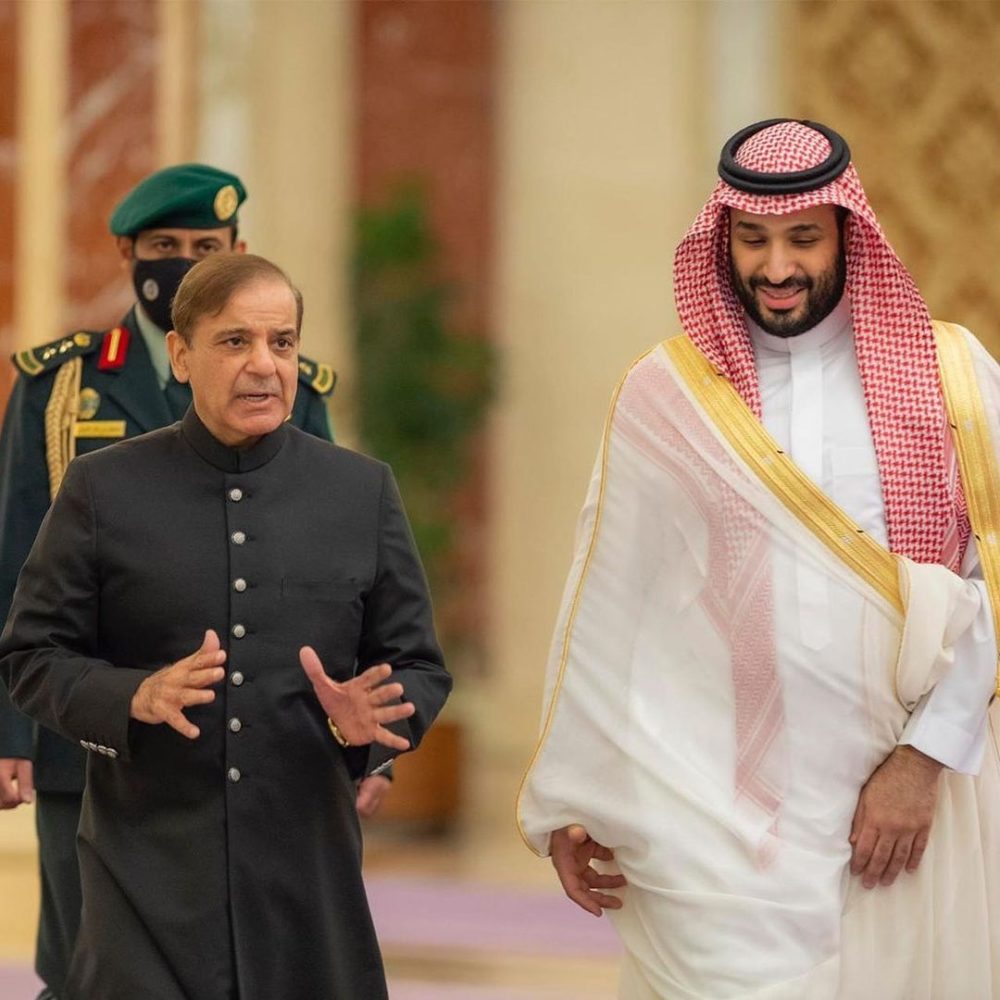
Pakistan Risks Overstretching Itself in Yemen War

Pakistan’s expanding military role in Saudi Arabia amid the Yemen conflict could strain its defence resources and fragile finances…reports Asian Lite News Desk Pakistan’s military involvement in the war in Yemen may prove unsustainable because of mounting financial pressures and competing security demands, according to a new report. Islamabad’s growing military presence in Saudi Arabia risks stretching its defence resources while exposing the country to greater strategic and economic challenges. An article by Andrew Wilson in One World Outlook describes Pakistan’s involvement as a case of “fiscal and strategic overreach”, arguing that the country lacks the financial flexibility to sustain an expanded military commitment. Pakistan’s external finances depend heavily on an International Monetary Fund (IMF) programme, financial support from Gulf countries and remittances from Pakistani workers in the region. The report argues that deeper military involvement in the conflict could place additional pressure on these sources of financial stability. It also warns that deploying troops and military equipment abroad could weaken Pakistan’s capacity to address security challenges along its eastern border and deal with two domestic insurgencies. The move could also draw Islamabad into a conflict it has sought to approach cautiously. A Reuters report in May, citing Pakistani security and government sources, said Islamabad had deployed around 8,000 troops, a squadron of approximately 16 aircraft, mostly JF-17 fighter jets, two drone squadrons and a Chinese HQ-9 air-defence battery to Saudi Arabia. According to those sources, Riyadh was financing the deployment, with Pakistani personnel operating the equipment. The sources also said a confidential agreement contemplated the possibility of deploying up to 80,000 troops. Islamabad has not confirmed those figures, although it has acknowledged its military presence in Saudi Arabia, including the deployment of fighter jets at King Abdulaziz Air Base from April. The One World Outlook article argues that Saudi financial support can cover allowances and operating expenses but cannot easily replace military equipment needed elsewhere or resolve the political and strategic challenges of participating in the Yemen conflict. Pakistan’s defence budget is another concern. For the 2026-27 financial year, the federal government allocated PKR 3 trillion, or approximately $10.8 billion, to defence services. The allocation represents an 18 per cent increase from the original PKR 2.55 trillion provision and amounts to around 2.1 per cent of projected gross domestic product (GDP). Defence spending accounts for approximately 16 per cent of the federal government’s PKR 18.8 trillion expenditure. Military pensions are budgeted separately at PKR 822 billion, while debt servicing costs stand at approximately PKR 8 trillion, more than two-and-a-half times the defence allocation. The report argues that these competing financial obligations leave little room for additional military expenditure without placing further pressure on public finances. Pakistan’s reliance on IMF assistance also limits its fiscal flexibility. The country must meet the conditions attached to the programme, including a primary budget surplus target of 2 per cent of GDP and continued restraint on development spending. According to the article, these requirements make it difficult for Islamabad to finance an additional military commitment without compromising other budgetary priorities. Pakistan’s economic indicators offer limited reassurance. Economic growth for the 2025-26 financial year is estimated at between 3.6 and 3.7 per cent, while inflation reached approximately 10.3 per cent in September following an energy price shock. Foreign exchange reserves stood at around $21.5 billion at the end of September. Although this marks an improvement from the low levels recorded in 2023, the report notes that the reserves cover only a few months of imports. Financial assistance from Gulf partners remains central to Pakistan’s external stability. The article says Islamabad holds approximately $8 billion in Saudi deposits at its central bank. In July, the State Bank of Pakistan said Riyadh had extended the maturity of $5 billion in deposits to December 2028, easing the country’s immediate external financing requirements. A further $3 billion deposit was also extended in the spring. However, the article argues that these arrangements provide temporary relief rather than long-term financial independence, particularly as regional conflict threatens the stability of the Gulf economies on which Pakistan relies. The report concludes that Pakistan faces a difficult balance between supporting Saudi Arabia militarily and preserving the financial and military resources needed to address its domestic and regional challenges.

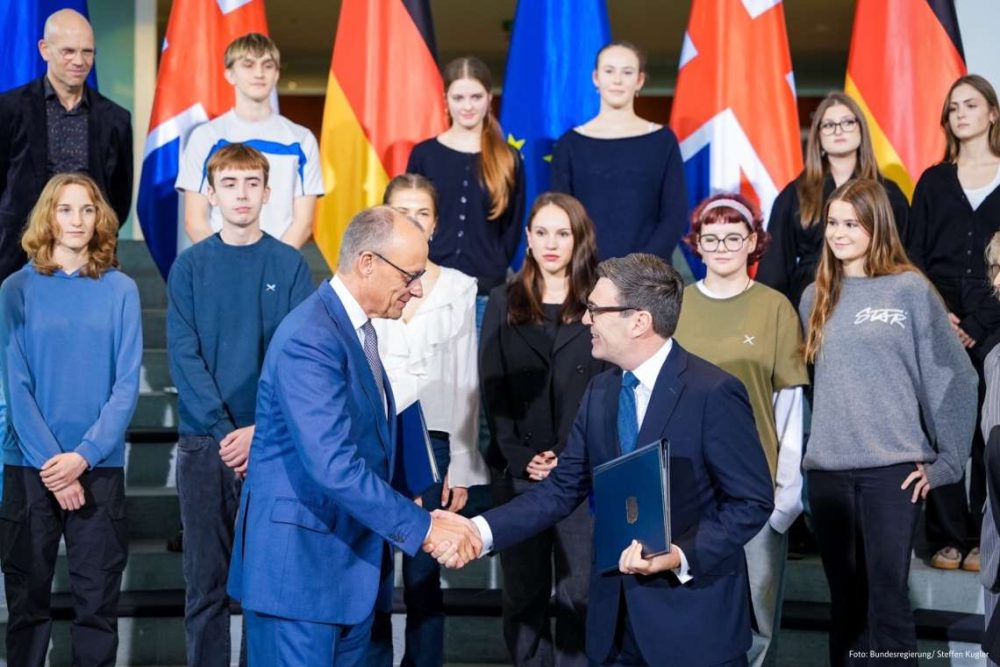
UK and Germany Ratify Kensington Treaty

Britain and Germany ratify the Kensington Treaty, agreeing new cooperation on AI, quantum research, defence and security while targeting investment, jobs and Russian hybrid threats…reports Asian Lite News Desk Britain and Germany

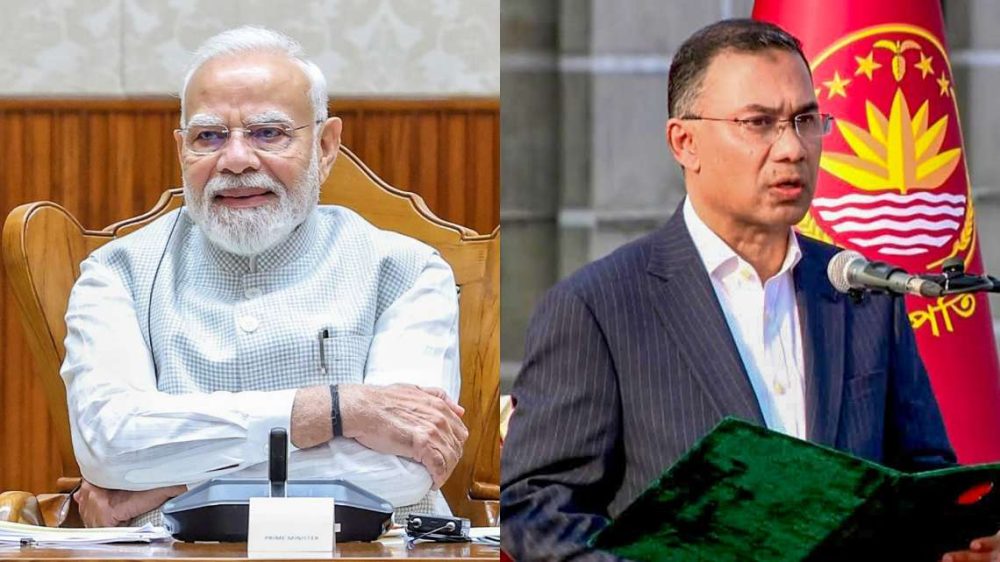
Economic tide is turning in Bangladesh

If there is one thing that can bring some comfort to the struggling Bangladeshi economy, it is good relations with India. Bangladesh should remember that Delhi’s backing, through easy supplies of essentials

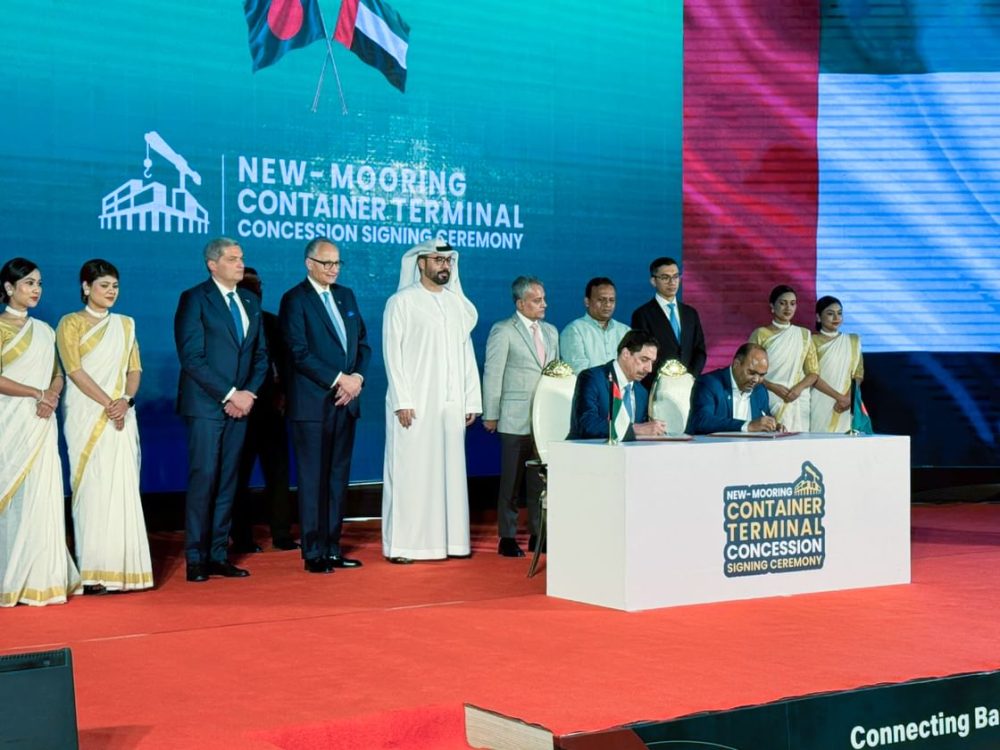
DP World Lands 15-Year Bangladesh Port Deal

The agreement between the Chittagong Port Authority (CPA) and DP World covers the New Mooring Container Terminal…reports Asian Lite News Desk Bangladesh has signed a 15-year concession agreement with global ports operator
Go toTop

Don't Miss

Sunak admits failure to cut NHS waiting lists

Sunak accepted a £1,000 bet with Piers Morgan that deportation

After doctor’s suicide, govt to review hospital’s support culture

The report notes that Kumar was a respected senior doctor