March 16, 2025
4 mins read

Tibetan leaders discuss strategies to preserve culture  

Presided over by Sikyong Penpa Tsering, the conference was attended by key figures, including Education Kalon Tharlam Dolma Changra, Education Council Chair Geshe Lhakdor, and Education Secretary Jigme Namgyal 

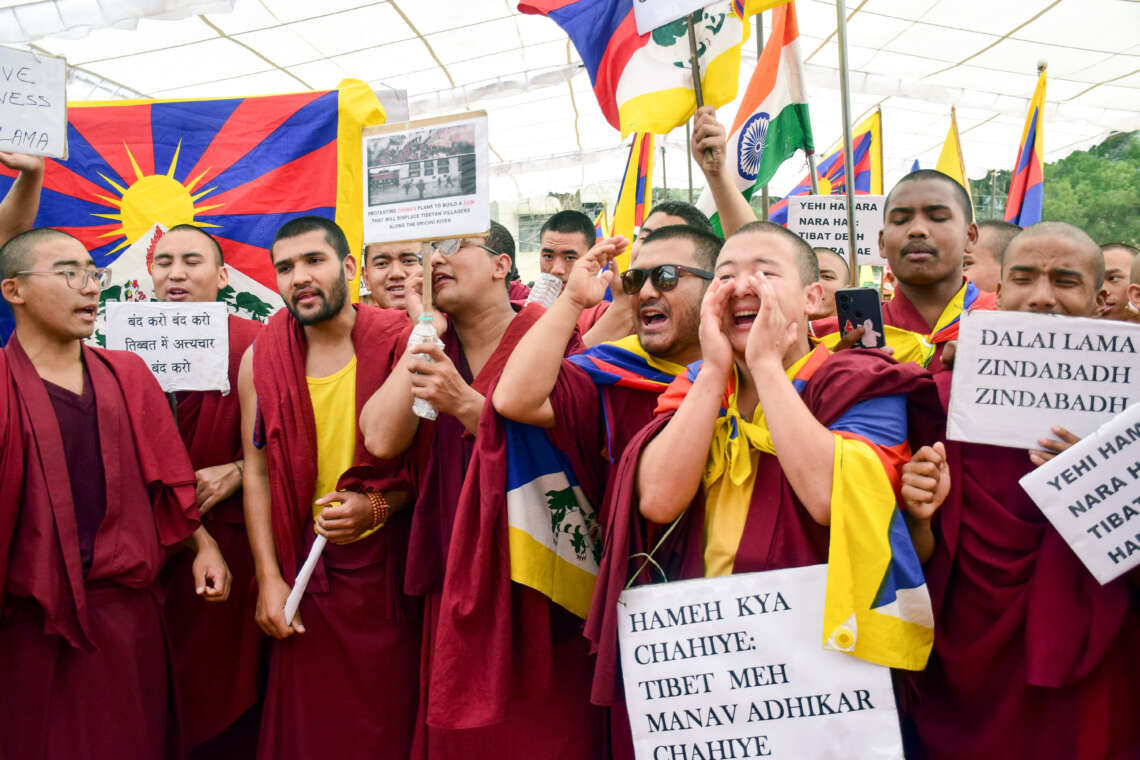
The 12th Education Council and Advisory Committee’s two-day annual conference commenced at the Kashag (Cabinet) Secretariat, focusing on the effects of strict Chinese policies on Tibetan culture and discussing strategies to preserve and promote Tibetan identity, Tibet.net reported. 

Presided over by Sikyong Penpa Tsering, the conference was attended by key figures, including Education Kalon Tharlam Dolma Changra, Education Council Chair Geshe Lhakdor, and Education Secretary Jigme Namgyal. 

Other attendees included Additional Secretaries Tenzin Pema and Tenzin Dorjee, Education Directors Ngawang Lhamo and Dr. Passang Dhundup, Director Tsering Dhondup, Education Officer Tenzin Rabgyal, and Professors Ven Lhakpa Tsering and Sonam Gyaltsen. 

The event opened with a welcome address by Education Council Director Tenzin Pema, who introduced the conference’s agenda. In his remarks, Geshe Lhakdor stressed the critical need to enhance Tibetan education and reinforce a strong connection to Tibetan cultural values. 

Sikyong Penpa Tsering addressed the audience, discussing a recent development with the USAID program. He revealed that on February 27, he sent a letter to Senator Marco Rubio and Peter Marocco, and on March 10, Senator Rubio replied, reaffirming the US government’s “unwavering support for the Tibetan cause and commitment to the struggle for freedom and justice,” Tibet.net reported. 

Sikyong also spoke on the importance of nurturing children’s individual interests, encouraging them to pursue their passions beyond academics. He mentioned that some children thrive in activities like handicrafts and proposed adopting Swiss models that cater to children’s diverse talents, Tibet.net reported. 

The opening session concluded with a vote of thanks from Education Council Director Tenzin Pema. 

China’s strict policies on Tibetan culture include efforts to suppress traditional practices, language, and religious freedoms. The government has enforced regulations limiting the teaching of Tibetan language in schools, restricting religious practices, and promoting assimilation to weaken Tibetan identity and maintain political control over the region.  

Tibetan Govt-in-Exile President slams China  

Tibetan Government-in-Exile President Penpa Tsering has strongly criticised the Chinese government’s recent statement on the reincarnation of the 14th Dalai Lama, calling it a “blasphemous statement.” 

Tsering said that the Dalai Lama himself has to decide where he is going to be reborn and to whom he is going to be reborn and added that it is not something that a government can decide, particularly the one who does not believe in any religion. 

Tibetan spiritual leader Dalai Lama has said that his successor would be born in the “free world,” referring to areas outside of China, as reported by Radio Free Asia (RFA). 

Reacting to the Dalai Lama’s comments in his new book Voice for the Voiceless, Chinese Foreign Ministry spokesperson Mao Ning called the 14th Dalai Lama a “political exile engaged in separatist activities under the guise of religion” and said he has no right to represent the people in Tibet. 

On being asked about China’s statement on Dalai Lama’s comments, Penpa Tsering stated, “The communist China invaded a land that does not belong to them, then they suppressed our people and now they are saying that we should not follow our own traditions so how outrageous can you become. Not just invading a country and suppressing them, but also depriving the Tibetan people of their traditions. So, everyone knows that the system of reincarnation is very unique to Tibetan Buddhism. It is not there in other Buddhist countries also, and to believe in reincarnation, one has to believe in life after death. The Chinese government is a communist government that does not believe in any religion. So, his holiness (Dalai Lama) has always said that if the Chinese government wants to be responsible for recognising reincarnation, first they should recognise Mao Zedong’s reincarnation because he is no more with us…. If the Chinese government are really serious about reincarnation, then his holiness may be the Dalai Lama’s.” 

“So, first you have to believe in these principles to practice and Chinese government’s claim that they should be golden urn. The golden urn was invented by the Chinese in 1793, in the late 18th century, and it was implemented in only one or two cases. But, before 1793, there were so many Dalai Lamas, up to the seventh Dalai Lamas, 17th century, there was eighth, ninth Dalai Lama. Before that, there was no golden urn. So, the process has been there; this is very unique, and so it depends on the individual who is going to be reborn and where he or she will be reborn. So, here in this case, his holiness the Dalai Lama himself has to decide where he is going to be reborn and to whom he is going to be reborn. It is not something that government can decide and particularly a government that does not believe in any religion so for us this is blasphemous statements coming from Chinese government,” he added. 

He stated that the Chinese government talks about peace, negotiations and resolving conflicts through talks internationally. However, they are not doing it with Tibetans, Hong Kongers, Mongols and Uyghurs who live in China and accused Beijing of having double standards. 
Previous Story

China conducts landing drills in South China Sea  

Next Story

Liverpool Eyes Carabao Comeback 

Previous Story

China conducts landing drills in South China Sea  

Next Story

Liverpool Eyes Carabao Comeback 

Latest from -Top News

Pakistan Risks Overstretching Itself in Yemen War

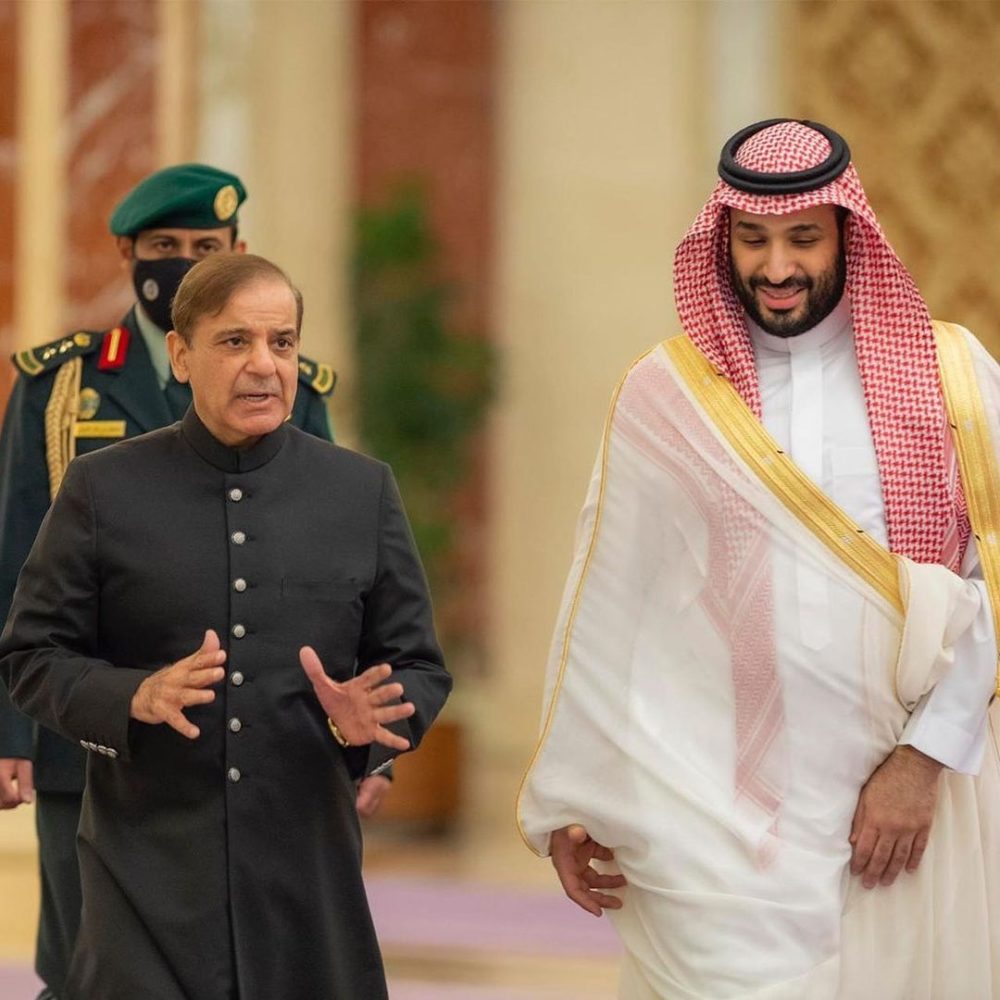
Pakistan’s expanding military role in Saudi Arabia amid the Yemen conflict could strain its defence resources and fragile finances…reports Asian Lite News Desk Pakistan’s military involvement in the war in Yemen may prove unsustainable because of mounting financial pressures and competing security demands, according to a new report. Islamabad’s growing military presence in Saudi Arabia risks stretching its defence resources while exposing the country to greater strategic and economic challenges. An article by Andrew Wilson in One World Outlook describes Pakistan’s involvement as a case of “fiscal and strategic overreach”, arguing that the country lacks the financial flexibility to sustain an expanded military commitment. Pakistan’s external finances depend heavily on an International Monetary Fund (IMF) programme, financial support from Gulf countries and remittances from Pakistani workers in the region. The report argues that deeper military involvement in the conflict could place additional pressure on these sources of financial stability. It also warns that deploying troops and military equipment abroad could weaken Pakistan’s capacity to address security challenges along its eastern border and deal with two domestic insurgencies. The move could also draw Islamabad into a conflict it has sought to approach cautiously. A Reuters report in May, citing Pakistani security and government sources, said Islamabad had deployed around 8,000 troops, a squadron of approximately 16 aircraft, mostly JF-17 fighter jets, two drone squadrons and a Chinese HQ-9 air-defence battery to Saudi Arabia. According to those sources, Riyadh was financing the deployment, with Pakistani personnel operating the equipment. The sources also said a confidential agreement contemplated the possibility of deploying up to 80,000 troops. Islamabad has not confirmed those figures, although it has acknowledged its military presence in Saudi Arabia, including the deployment of fighter jets at King Abdulaziz Air Base from April. The One World Outlook article argues that Saudi financial support can cover allowances and operating expenses but cannot easily replace military equipment needed elsewhere or resolve the political and strategic challenges of participating in the Yemen conflict. Pakistan’s defence budget is another concern. For the 2026-27 financial year, the federal government allocated PKR 3 trillion, or approximately $10.8 billion, to defence services. The allocation represents an 18 per cent increase from the original PKR 2.55 trillion provision and amounts to around 2.1 per cent of projected gross domestic product (GDP). Defence spending accounts for approximately 16 per cent of the federal government’s PKR 18.8 trillion expenditure. Military pensions are budgeted separately at PKR 822 billion, while debt servicing costs stand at approximately PKR 8 trillion, more than two-and-a-half times the defence allocation. The report argues that these competing financial obligations leave little room for additional military expenditure without placing further pressure on public finances. Pakistan’s reliance on IMF assistance also limits its fiscal flexibility. The country must meet the conditions attached to the programme, including a primary budget surplus target of 2 per cent of GDP and continued restraint on development spending. According to the article, these requirements make it difficult for Islamabad to finance an additional military commitment without compromising other budgetary priorities. Pakistan’s economic indicators offer limited reassurance. Economic growth for the 2025-26 financial year is estimated at between 3.6 and 3.7 per cent, while inflation reached approximately 10.3 per cent in September following an energy price shock. Foreign exchange reserves stood at around $21.5 billion at the end of September. Although this marks an improvement from the low levels recorded in 2023, the report notes that the reserves cover only a few months of imports. Financial assistance from Gulf partners remains central to Pakistan’s external stability. The article says Islamabad holds approximately $8 billion in Saudi deposits at its central bank. In July, the State Bank of Pakistan said Riyadh had extended the maturity of $5 billion in deposits to December 2028, easing the country’s immediate external financing requirements. A further $3 billion deposit was also extended in the spring. However, the article argues that these arrangements provide temporary relief rather than long-term financial independence, particularly as regional conflict threatens the stability of the Gulf economies on which Pakistan relies. The report concludes that Pakistan faces a difficult balance between supporting Saudi Arabia militarily and preserving the financial and military resources needed to address its domestic and regional challenges.

UK and Germany Ratify Kensington Treaty

Britain and Germany ratify the Kensington Treaty, agreeing new cooperation on AI, quantum research, defence and security while targeting investment, jobs and Russian hybrid threats…reports Asian Lite News Desk Britain and Germany

Economic tide is turning in Bangladesh

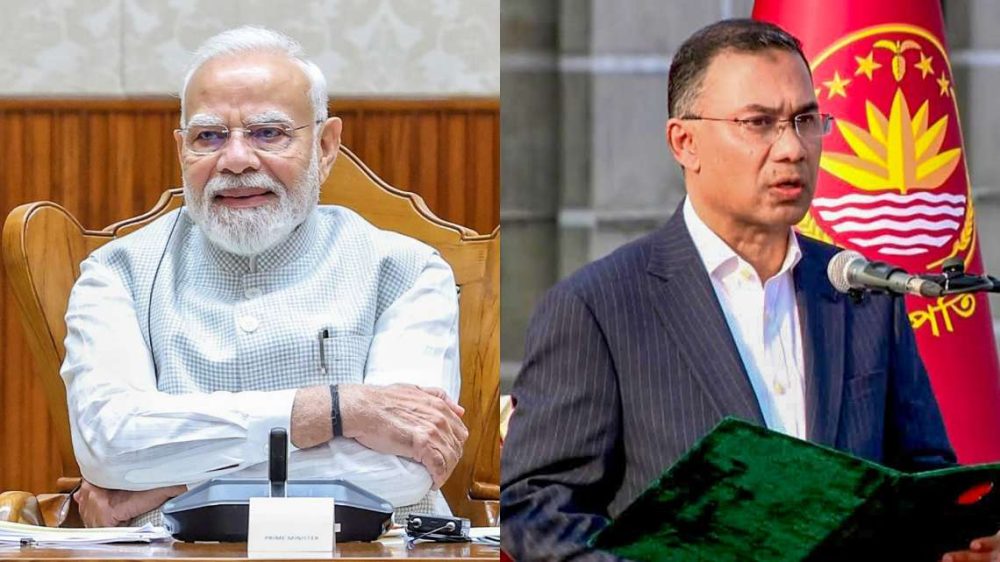
If there is one thing that can bring some comfort to the struggling Bangladeshi economy, it is good relations with India. Bangladesh should remember that Delhi’s backing, through easy supplies of essentials
Go toTop

Don't Miss

China uses AI to misuse civilian data for military purposes

China recently submitted a position paper on regulating the military

Alibaba fires alleged victim of sexual assault

Zhou has said she was pressured to drink until she