The study also identified four specific oral microbial species — from the Dialister, Fusobacterium, Parvimonas, and Solobacterium genera — that were significantly associated with pain, even after adjusting for factors like age, BMI, and dietary sugar intake
If you’re grappling with frequent migraines or persistent body aches, the root cause might be closer than you think — inside your mouth. A new study suggests that poor oral health could be a key contributor to chronic pain conditions, particularly among women.
Researchers focused on the intersection of oral health, the microbiome, and the nervous system, revealing intriguing connections. The study, published in the journal Frontiers in Pain Research, involved 67 women from New Zealand, both with and without fibromyalgia — a chronic condition marked by widespread musculoskeletal pain, fatigue, and sleep disturbances.
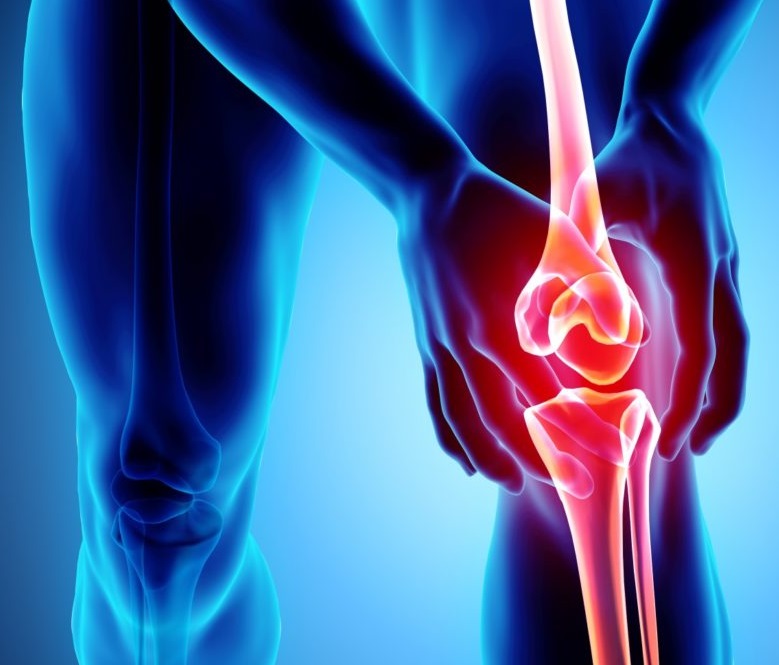
The findings were striking. Women reporting poorer oral health were significantly more likely to experience moderate to severe body pain, with about 60% affected. Nearly half (49%) of these women also reported frequent migraines.
“This is the first study to investigate oral health, oral microbiota, and pain commonly experienced in women with fibromyalgia. Our results show a clear and significant association between poor oral health and pain,” said Associate Professor Joanna Harnett from the Faculty of Medicine and Health, who led the research.
The study also identified four specific oral microbial species — from the Dialister, Fusobacterium, Parvimonas, and Solobacterium genera — that were significantly associated with pain, even after adjusting for factors like age, BMI, and dietary sugar intake.
“Our findings are particularly important for fibromyalgia, a common but often underrecognised rheumatological condition,” added Sharon Erdrich, a doctoral candidate involved in the study.
Interestingly, the researchers found a weak but notable inverse relationship between diet quality and oral health, hinting that poor dietary habits may also influence oral and overall health, although more research is needed to fully understand this connection.
The team strongly recommends maintaining robust oral hygiene practices — including regular dental check-ups, professional cleaning appointments, and consistent twice-daily brushing and flossing — to support not just dental, but also overall physical health.
The study shines a light on the often-overlooked importance of oral health in managing chronic pain and opens new avenues for holistic healthcare approaches, especially for women struggling with conditions like fibromyalgia.