Funding gap, mass deportations and economic stagnation threaten to overwhelm fragile Afghan support systems….reports Asian Lite News
The United Nations has issued an urgent appeal to the international community to address what it calls an “escalating humanitarian emergency” in Afghanistan, warning that an unprecedented aid shortfall is pushing millions towards hunger, displacement and despair.
In its latest report, the UN Office for the Coordination of Humanitarian Affairs (OCHA) revealed that only 53% of the $3.06 billion required for the 2024 Humanitarian Response Plan has been secured so far, leaving a staggering funding gap of around $1.43 billion. Without swift and significant donor support, the agency warned that key humanitarian operations may soon be forced to scale back or shut down altogether.
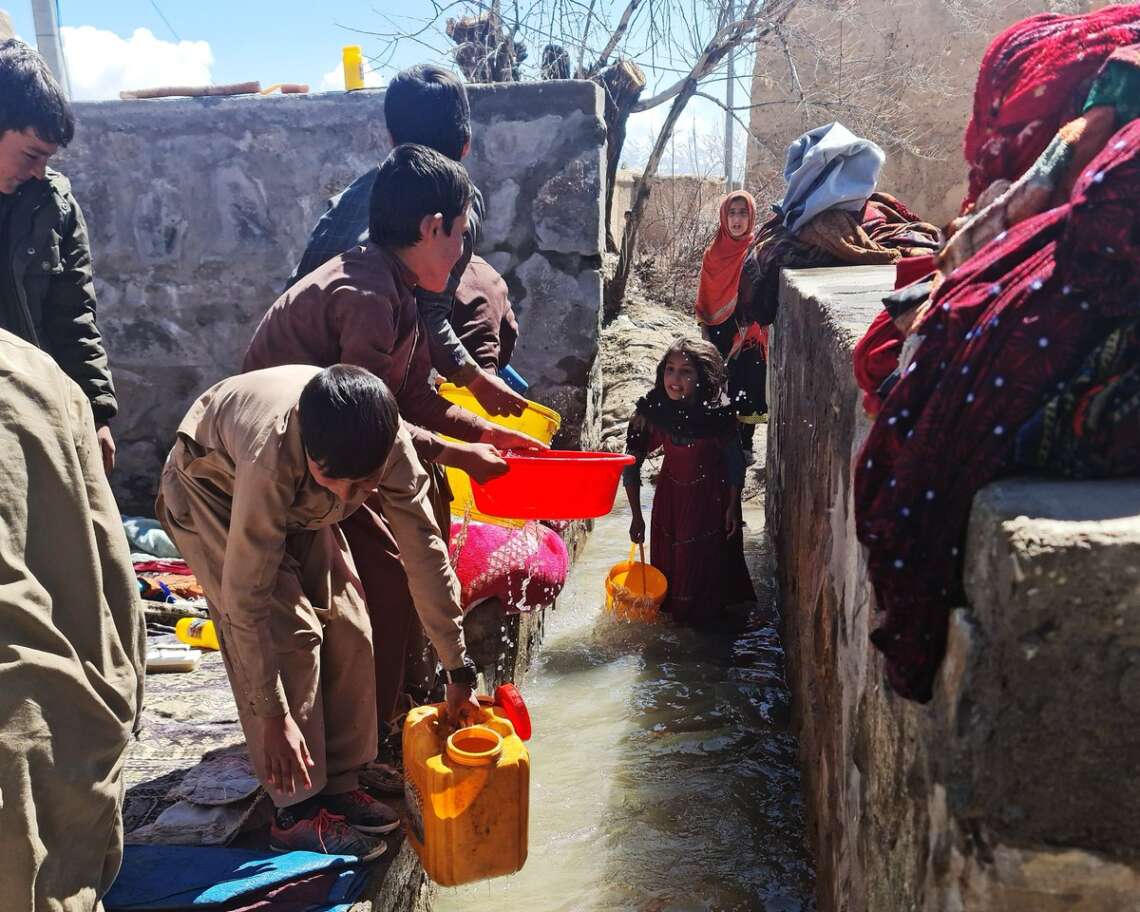
“This shortfall comes at a time when Afghanistan’s humanitarian needs are among the most acute globally,” OCHA said. “Millions depend on food, shelter, healthcare and protection services. Without sufficient funding, their lifeline will be severed.”
On the ground, ordinary Afghans are already bearing the brunt of this crisis. In Kabul, 25-year-old Hussain Agha Haidari, who now shines shoes for a living, said the lack of job opportunities had left him with little choice. “We’ve knocked on many doors,” he said. “When there was no work, we picked up shoe polish and brushes. We earn just enough to buy bread at the end of the day. But we’ve received no help from any organisation. I ask the authorities to find us permanent jobs.”
OCHA noted that nearly 14.9 million people—about two-thirds of aid recipients—have received food assistance this year, while 41% of beneficiaries have been supported across multiple sectors such as shelter, education and healthcare. However, with donor fatigue setting in and competing crises worldwide, sustaining this level of relief is becoming increasingly difficult.
The situation is being compounded by the mass return of Afghan migrants from neighbouring countries, especially Iran and Pakistan. The UN estimates that over 1.3 million Afghans have been repatriated so far in 2025, placing unprecedented strain on already overstretched services and infrastructure.
Abdul Latif Nazari, Afghanistan’s Deputy Minister of Economy, echoed these concerns, saying, “The return of such a large number of migrants is creating a serious burden. OCHA’s warning is timely. We urge international organisations to prioritise Afghanistan and accelerate their assistance before the situation worsens.”
At a press conference in New York, UN Secretary-General spokesperson Stéphane Dujarric confirmed that the current wave of returnees had placed “enormous pressure” on communities where nearly 70% of the population already lives below the poverty line. “Despite the determined efforts of UN agencies, local authorities, and a strong outpouring of public support, the scale and pace of returns are simply overwhelming,” he said.
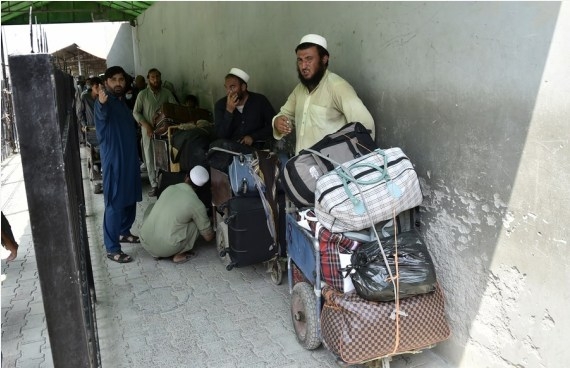
The United Nations High Commissioner for Refugees (UNHCR) has also raised red flags, particularly regarding the treatment of Afghan deportees. UNHCR’s Afghanistan representative Arafat Jamal said many returnees from Iran have arrived in “undignified conditions”, and that his office was engaged in discussions with Tehran to ensure humane and coordinated returns.
“These people deserve to return home with dignity and access to education, healthcare and livelihood support,” Jamal said. “This region has already seen two wars in recent months—in Pakistan and in the Middle East. The world cannot afford to let Afghanistan fall deeper into crisis.”
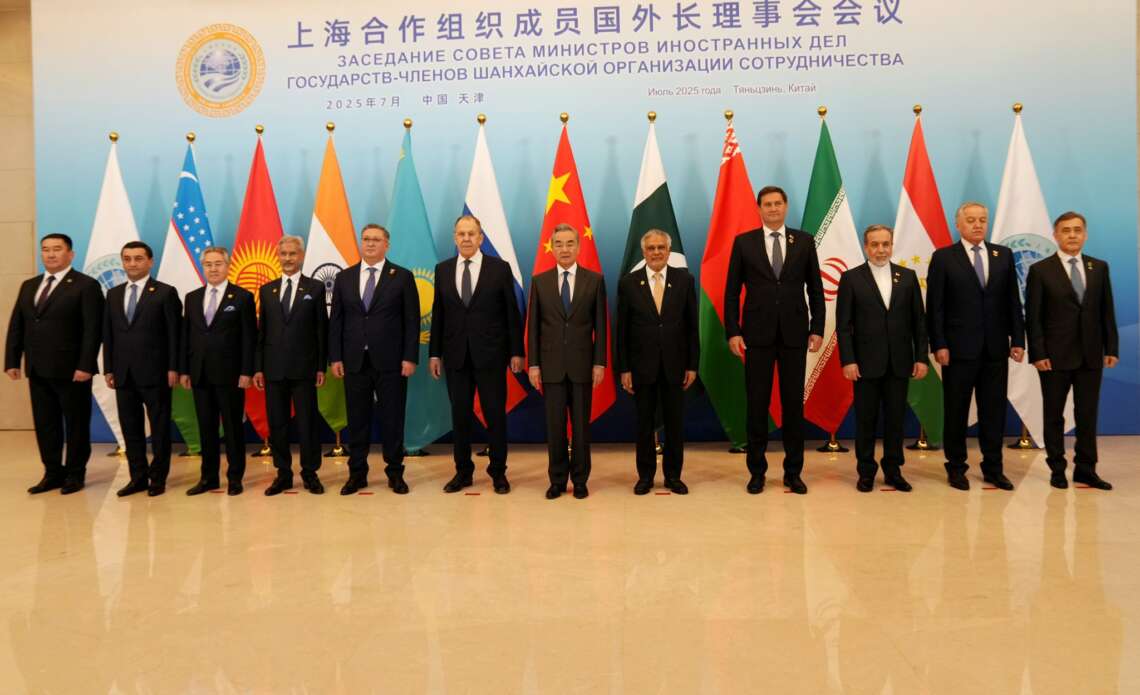
Indian External Affairs Minister S. Jaishankar, speaking at the Shanghai Cooperation Organization (SCO) Foreign Ministers’ Meeting in Tianjin, also emphasised the importance of coordinated support. “Afghanistan has long featured on the SCO agenda,” he said. “The compulsions of regional stability are intertwined with the well-being of the Afghan people. SCO nations must step up and deliver development assistance. India, for its part, is committed to doing so.”
While emergency relief remains crucial, experts are calling for a shift toward more sustainable and long-term investment. Economist Mohammad Asif Stanekzai noted, “Humanitarian aid provides immediate relief, but to truly end poverty, Afghanistan needs investment in agriculture, infrastructure and self-sustaining development projects.”
As Afghanistan stands on the brink of another major humanitarian collapse, UN agencies have made a final push to mobilise global donors. “We are running out of time,” OCHA warned. “This is not just about charity. It is about stability, dignity, and the future of a nation.”