World Bank forecasts strong 4.8% UAE growth for 2025, crediting digital transformation, diversification and AI readiness as the Gulf region accelerates its shift toward high-tech, innovation-led economies….reports Asian Lite News
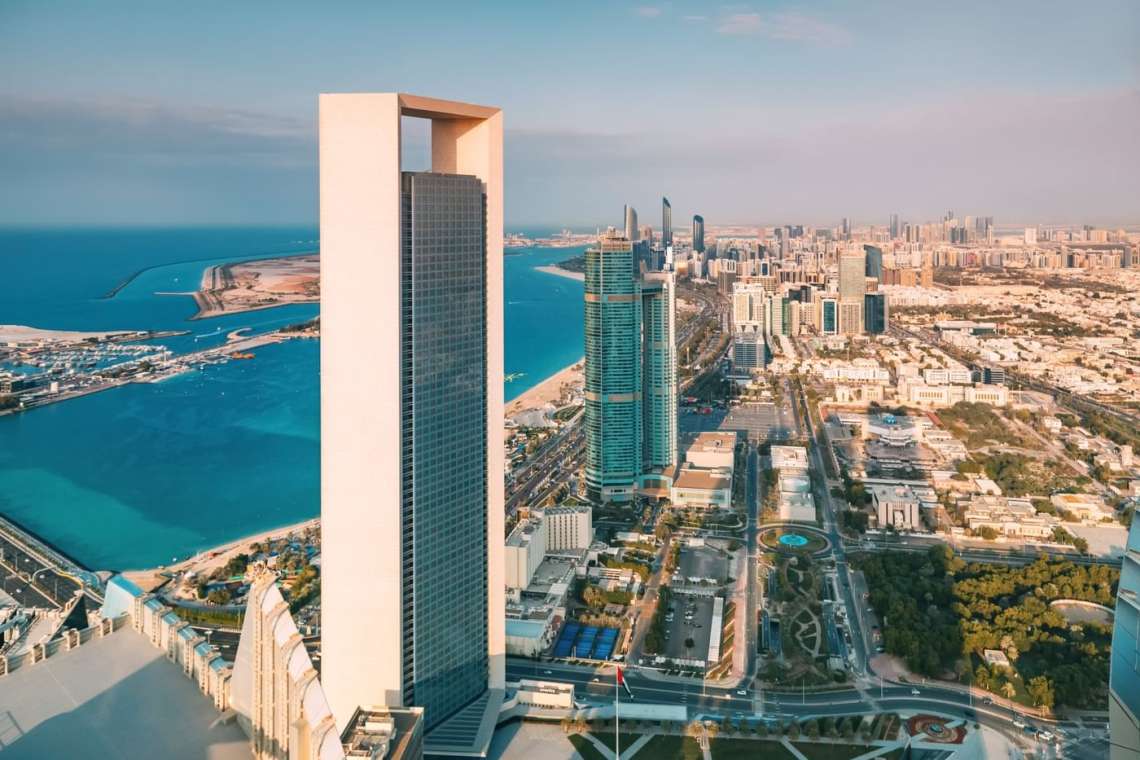
The UAE’s economy is set to expand by a robust 4.8 percent in 2025, according to the World Bank’s newly released Gulf Economic Update (GEU) – Fall 2025, which highlights the country’s strong performance across both oil and non-oil sectors while underscoring the Gulf region’s accelerating digital transformation.
The report, titled “The Gulf’s Digital Transformation: A Powerful Engine for Economic Diversification,” concludes that the UAE remains one of the most diversified and rapidly progressing economies in the region. With balanced growth driven by non-oil trade, digital innovation and high-impact economic reforms, the UAE continues to widen its export base and strengthen its global competitiveness. The World Bank notes that real GDP growth of 4.8 percent puts the country ahead of its Gulf peers, reflecting sustained momentum in strategic sectors and a policy environment conducive to innovation.
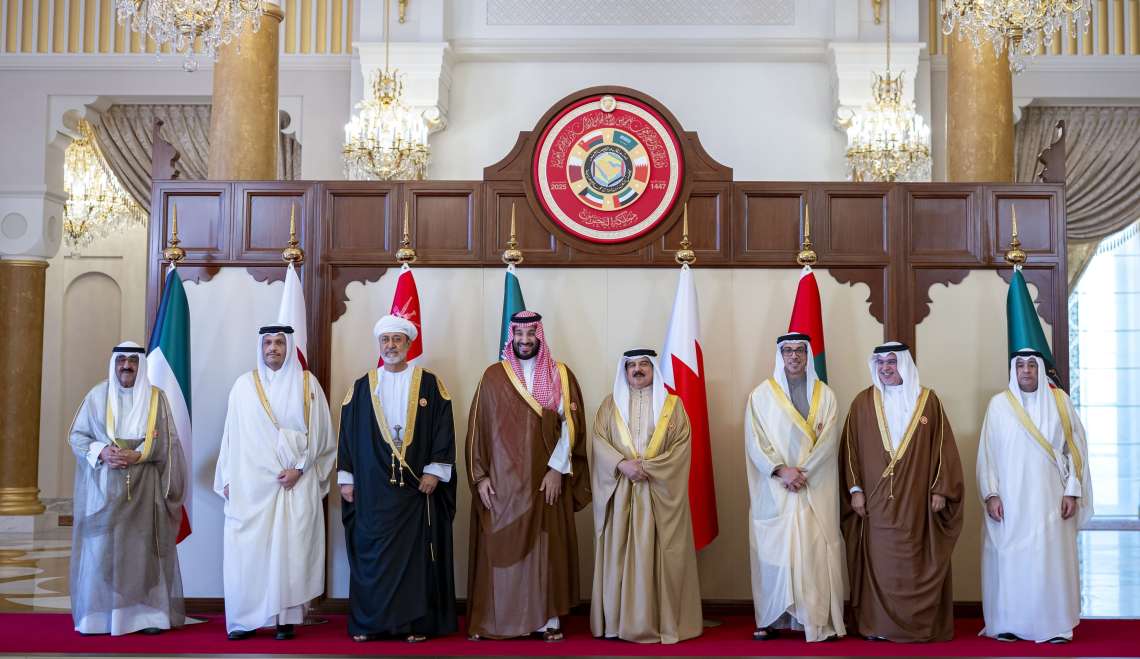
Alongside the UAE’s forecast, the report projects economic growth of 3.8 percent for Saudi Arabia, 3.5 percent for Bahrain, 3.1 percent for Oman, 2.8 percent for Qatar and 2.7 percent for Kuwait. While overall regional growth remains steady, the UAE’s performance places it firmly at the forefront of Gulf economies.
Alongside the UAE’s forecast, the report projects economic growth of 3.8 percent for Saudi Arabia, 3.5 percent for Bahrain, 3.1 percent for Oman, 2.8 percent for Qatar and 2.7 percent for Kuwait.
The GEU identifies three core pillars shaping the region’s trajectory over the past decade: the evolution of economic diversification, the monitoring of macroeconomic developments and the transformative impact of digital technologies. While diversification progress across the GCC has been moderate, the World Bank highlights several positive indicators emerging in recent years, particularly in the acceleration of non-oil sectors and export restructuring.
A key driver of this shift is the rapid digital transformation sweeping the Gulf. The report notes that all GCC countries now enjoy widespread 5G coverage exceeding 90 percent, supported by affordable high-speed internet and substantial investments in digital infrastructure. The build-out of data centres, cloud platforms and high-performance computing systems has strengthened the region’s readiness for widespread AI adoption, with the UAE and Saudi Arabia positioned as global frontrunners.
These advancements, the report explains, are underpinned by an enabling ecosystem of innovation hubs, supportive regulations, financing mechanisms and government-led adoption of generative AI tools. The rise of digital government services, AI-driven policy frameworks and expanding public–private partnerships further contribute to the region’s transition towards knowledge-based economies.
Safaa El Tayeb El Kogali, World Bank Division Director for the GCC, emphasised that diversification and digital transformation “are no longer a luxury, but a necessity” for long-term stability and prosperity. She described the Gulf’s digital progress as “remarkable,” crediting strong infrastructure, advanced computing power and fast-growing AI-related skills for enhancing the region’s competitive edge. However, she cautioned that environmental vulnerabilities and labour-market gaps must be addressed proactively to ensure sustainable growth.
One standout finding of the report is the high level of women’s participation in STEM fields across the Gulf, which now exceeds the global average. This, the World Bank notes, significantly improves the region’s digital competitiveness and enhances its potential to drive innovation in emerging sectors.
To maximise the gains of economic diversification and digital transformation, the report recommends targeted support for small and medium-sized enterprises (SMEs), particularly in adopting AI tools that can boost efficiency, creativity and market expansion. It also underscores the need for robust training and upskilling programmes to reduce labour-market mismatches and prepare the workforce for jobs created by advanced technologies.
With its ambitious digital agenda, expanding non-oil economy and continued investment in frontier technologies, the UAE enters 2025 on a strong economic footing. The World Bank’s forecast reflects not only current growth patterns but also the country’s long-term strategy: positioning itself as a global hub for innovation, trade and high-tech development.