Captured in a daring US operation, Venezuelan President Nicolas Maduro now faces sweeping narco-terrorism charges in New York, triggering political upheaval at home and fierce global debate.
Venezuelan President Nicolas Maduro is being held in a high-security federal jail in New York after a dramatic US military operation that Washington says was aimed at dismantling a long-running narco-terrorism network allegedly led by the Venezuelan leader and his inner circle.
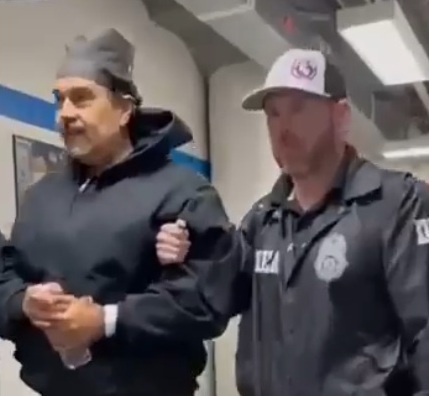
Maduro, once the unchallenged strongman of the oil-rich South American nation, was transferred under heavy security to the Metropolitan Detention Centre (MDC) in Brooklyn following his capture at a Venezuelan military base. Video footage released by the White House showed him manacled, wearing a brown prison uniform and clutching a water bottle as Drug Enforcement Administration (DEA) officers escorted him into custody.
As cameras rolled during his transfer to the DEA’s New York office, Maduro appeared defiant, offering a sardonic “Good night. Happy New Year” before being taken away. His wife, Cilia Flores, was detained alongside him during the early-morning raid.
A tightly guarded transfer
According to US officials, Maduro was seized at Fuerte Tiuna, Venezuela’s principal military base, before being moved to the USS Iwo Jima, one of several US Navy vessels deployed off the Venezuelan coast. From there, he was flown to the Stewart Air National Guard Base in New York state and then transferred by helicopter to Manhattan.
After initial processing at the DEA’s New York office, Maduro and Flores were taken to the MDC in Brooklyn, a detention facility notorious for overcrowding and harsh conditions. A large crowd gathered outside the jail, jeering and shouting insults as news of his arrival spread rapidly among Venezuela’s exile community.
Maduro is expected to appear before a federal court in Manhattan on Monday, where prosecutors are likely to seek his continued detention pending trial. US President Donald Trump has said the case could potentially be moved to Miami, citing the city’s large Venezuelan diaspora and strong interest in the proceedings.
Sweeping charges and a long-standing indictment
US Attorney General Pam Bondi announced that Maduro and several senior Venezuelan officials face charges including narco-terrorism, conspiracy to import cocaine, firearms offences and possession of destructive weapons. The indictment alleges that the accused ran a drug trafficking operation spanning more than two decades, using state institutions to facilitate and protect the movement of cocaine towards the United States.
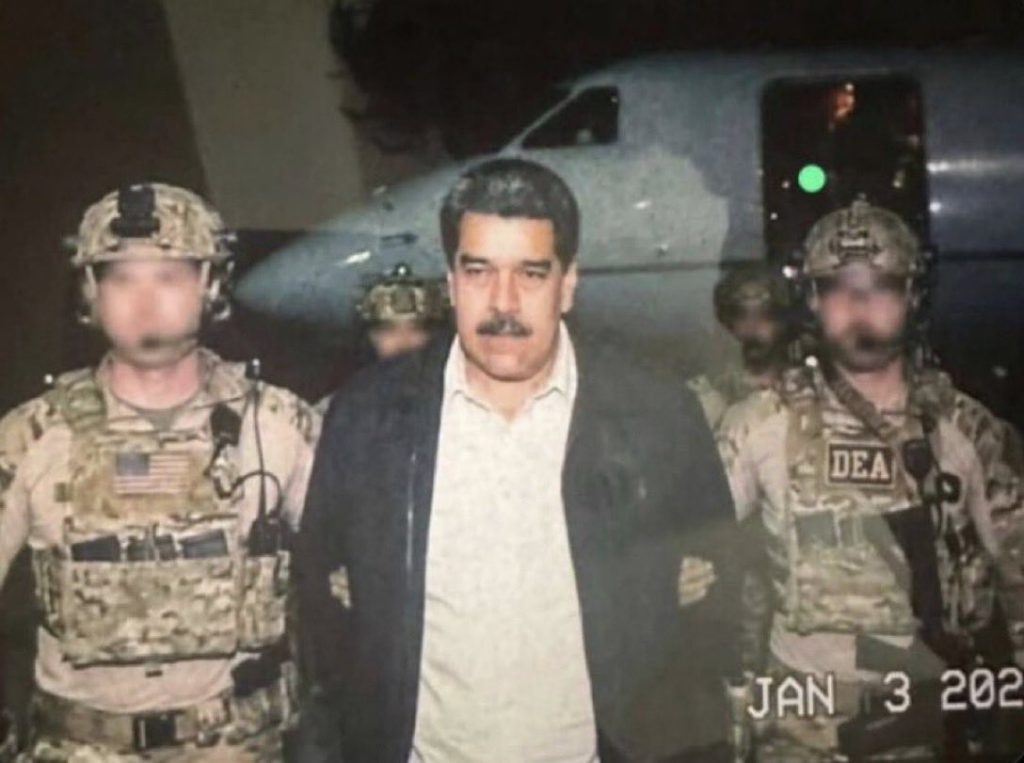
An earlier indictment issued in 2020 accused Maduro of leading the so-called Cartel de los Soles, an organisation allegedly embedded within Venezuela’s political and military elite. Prosecutors claim the network collaborated with Colombian guerrilla groups FARC and ELN, Mexican drug cartels including Sinaloa and Zetas, and the Venezuelan gang Tren de Aragua.
The Justice Department alleges that Maduro and his associates used diplomatic passports, military protection and armed force to secure trafficking routes, while employing violence, kidnappings and bribery to maintain control. If convicted, the charges carry the possibility of life sentences and the forfeiture of assets linked to the alleged crimes.
Interim leadership in Caracas
Within hours of Maduro’s capture, Venezuela’s Supreme Court directed Vice President Delcy Rodriguez to assume the role of interim president, citing the need to preserve administrative continuity amid what it described as the president’s “forced absence”.
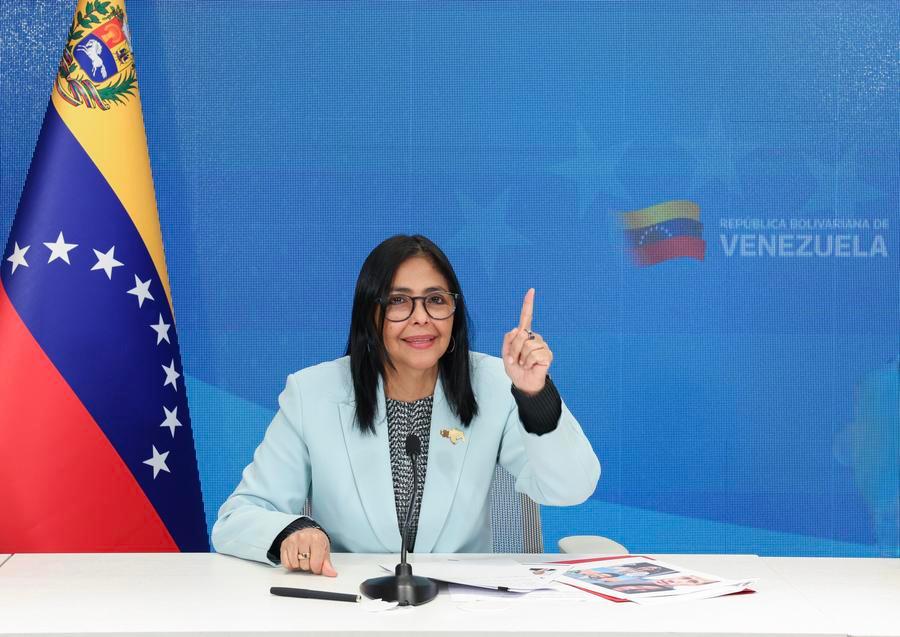
Rodriguez, a long-time loyalist and one of the most powerful figures in Venezuela’s socialist hierarchy, vowed to resist what she described as US aggression. “There is only one president in this country, and his name is Nicolas Maduro,” she declared, accusing Washington of pursuing regime change to seize Venezuela’s vast energy and mineral resources.
Trump, however, suggested a more pragmatic approach, saying Rodriguez had been left in place for now and would be judged by her actions. “She’s essentially willing to do what we think is necessary to make Venezuela great again,” he said, a remark that has fuelled further controversy in Caracas and beyond.
Legal storm and political tremors in US
The operation has sparked intense debate within the United States. New York City Mayor Zohran Mamdani condemned the capture as a violation of international law, calling it “an act of war” against a sovereign nation. He warned that the pursuit of regime change abroad could have consequences for New Yorkers, including tens of thousands of Venezuelans living in the city.
Federal officials, however, have defended the action as a law enforcement operation carried out in support of existing criminal indictments. Secretary of State Marco Rubio said the United States does not recognise Maduro as Venezuela’s legitimate president and described him as “a fugitive of American justice”.
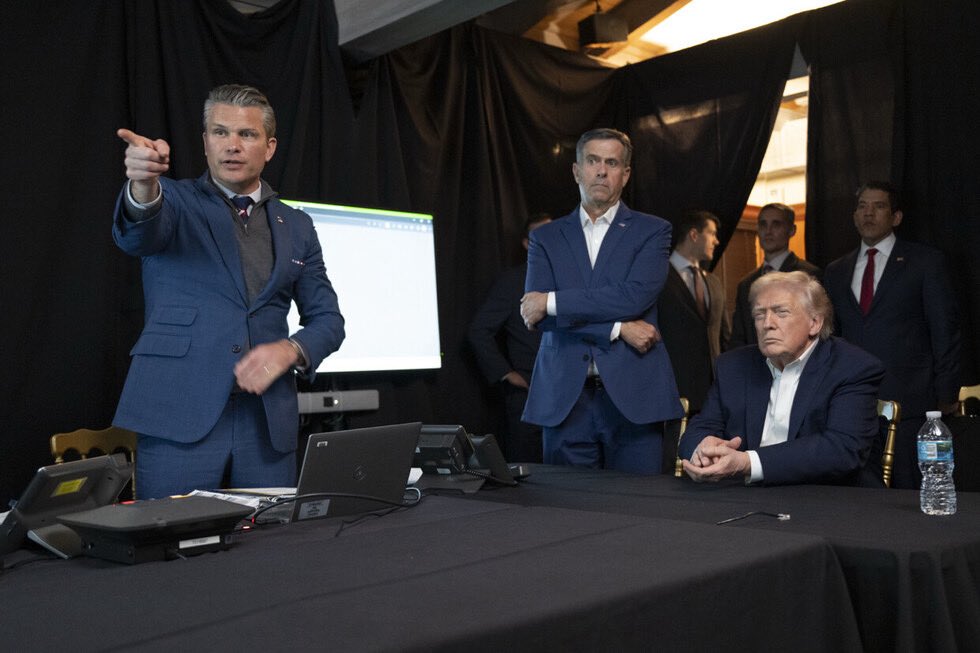
Trump has framed the operation as part of a broader campaign against international drug trafficking, accusing Maduro of directing criminal gangs that have fuelled violence and instability in US cities. He has also linked the action to long-standing disputes over Venezuela’s nationalisation of American oil investments.
Inside MDC Brooklyn: a notorious holding centre
Maduro is now being held at the Metropolitan Detention Centre, a facility infamous for its deteriorating infrastructure and overcrowding. The jail has previously housed high-profile inmates including Joaquín “El Chapo” Guzmán, Viktor Bout, Sam Bankman-Fried and Jeffrey Epstein, whose death there in 2019 remains a subject of public scrutiny.
In 2024, a federal judge described conditions at the MDC as so poor that they constituted “exceptional reasons” to avoid remanding certain detainees there. Despite this, the facility continues to hold some of the most prominent defendants in the US criminal justice system.