UAE rejects Sudan conflict allegations at UN Human Rights Council, defends record and urges accountability, ceasefire and civilian protection amid deepening humanitarian crisis
The United Arab Emirates has firmly rejected what it described as “baseless and false” allegations made by parties to the conflict in Sudan during a session of the United Nations Human Rights Council in Geneva.
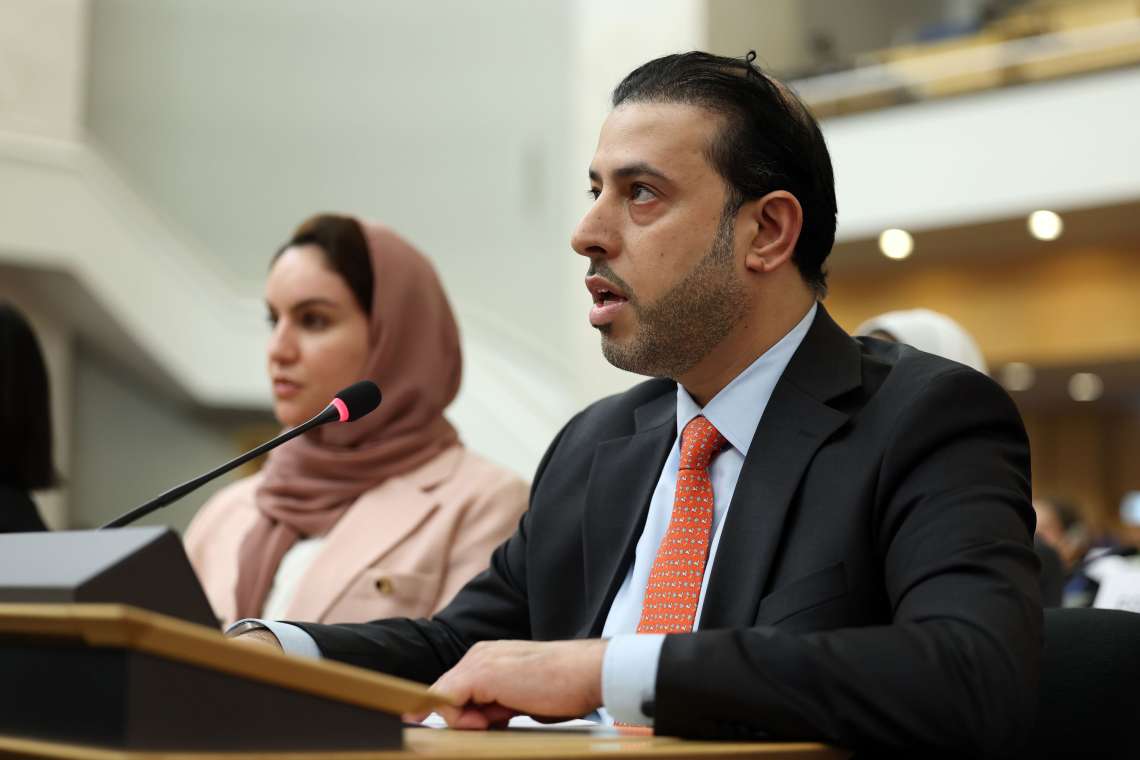
Exercising its formal “Right of Reply” during the Council’s 61st session on 26 February 2026, the UAE delegation said the accusations directed at the Emirates were unfounded and amounted to an attempt to deflect attention from the conduct of those actively engaged in Sudan’s civil war.
Khalifa Al Mazrouei, Counsellor at the UAE Permanent Mission in Geneva, delivered the response, stating that one of the warring parties in Sudan had used the international forum to level unsubstantiated claims against his country. He said the UAE was compelled to respond in order to correct the record.
Al Mazrouei argued that instead of focusing on protecting civilians and engaging constructively with international mediation efforts, the Sudanese Armed Forces were attempting to divert scrutiny from their own responsibilities. Sudan has been gripped by a brutal conflict since April 2023 between the Sudanese Armed Forces and the Rapid Support Forces, a power struggle that has devastated large parts of the country and triggered one of the world’s worst humanitarian crises.
Addressing the Council, Al Mazrouei said the UAE had listened carefully to the briefing by the UN High Commissioner for Human Rights and to interventions from member states calling on all parties to comply with international human rights and humanitarian law. He stressed that obligations applied equally to both the Sudanese Armed Forces and the Rapid Support Forces.
He further alleged that the Sudanese Armed Forces had been responsible for systematic attacks on civilian infrastructure, including hospitals, markets and schools, and referred to reports documenting extrajudicial killings, arbitrary detentions and acts of sexual violence against women and girls. He also voiced concern over allegations of sexual violence in areas under the control of the Sudanese Armed Forces, including incidents affecting medical staff and humanitarian volunteers.
The UAE representative said that while his country had consistently condemned violations committed by all sides in the conflict, the party making accusations against the Emirates had remained silent regarding documented abuses attributed to its own forces. He added that there were also concerns about alleged links between elements of the Sudanese Armed Forces and extremist groups, and criticised what he described as a pattern of impunity.
Al Mazrouei pointed to reports questioning the independence of Sudan’s national investigative mechanisms, arguing that refusal to cooperate fully with international investigative bodies further undermined credibility. He said attempts to shift blame at the Human Rights Council would not obscure the need for accountability on the ground.
The UAE has repeatedly called for an immediate ceasefire in Sudan, unhindered humanitarian access and a return to a civilian-led political process. Emirati officials have also highlighted their country’s humanitarian contributions to Sudanese civilians and neighbouring states hosting refugees, including financial aid and relief supplies delivered through international partners.
Sudan’s conflict has displaced millions and severely disrupted access to food, healthcare and basic services. International agencies have warned of widespread famine risks and mounting civilian casualties as fighting continues in urban centres and across Darfur.
By invoking its Right of Reply at the Human Rights Council, the UAE signalled its intention to contest publicly any allegations it considers inaccurate, while reiterating its broader call for accountability and civilian protection.